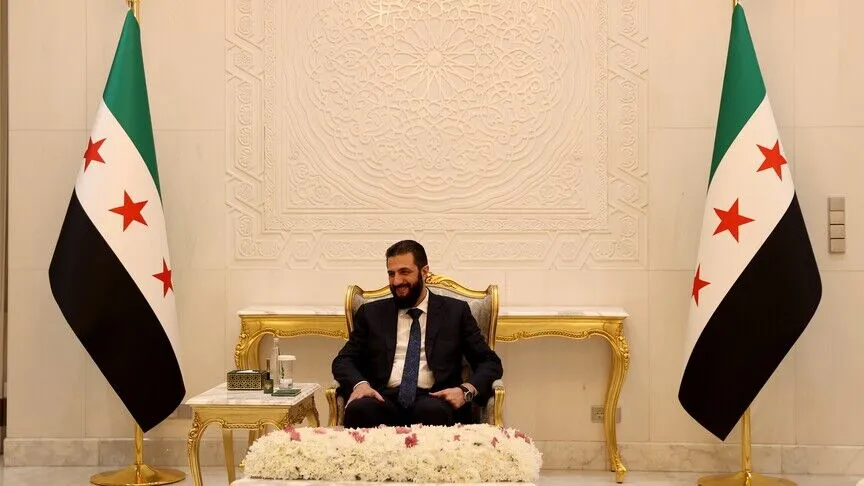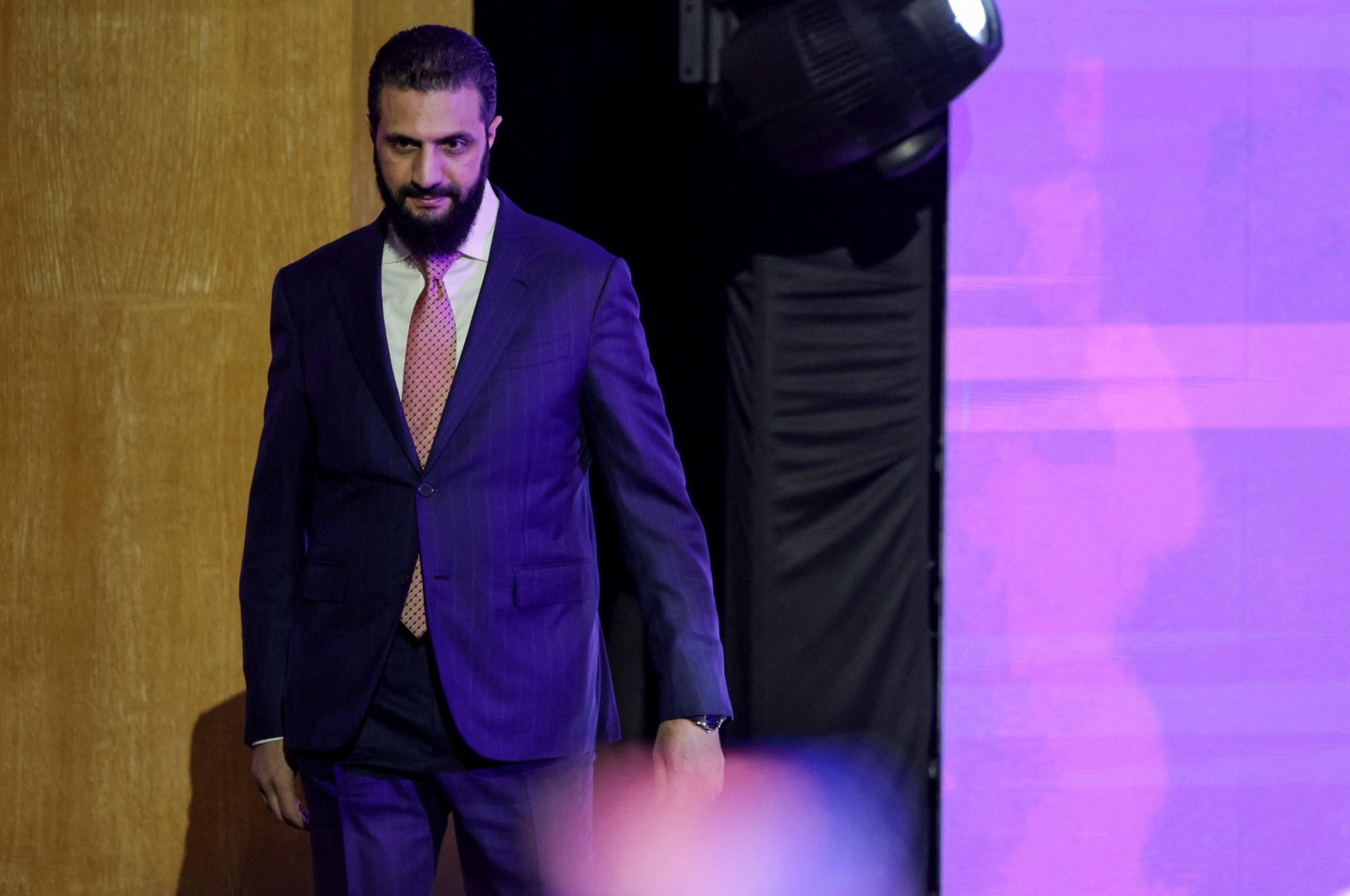
Syrian President Ahmad al-Sharaa completed the first Visa-facilitated card payment in Damascus on Wednesday, marking a significant step toward global financial integration for the country. The electronic transaction, a key moment for Syria's economic re-engagement, occurred at a restaurant in Old Damascus. This event signals a move towards modernizing the nation's financial infrastructure and re-establishing international financial connections. Visa confirmed on Thursday that it had successfully tested a live international card transaction in Syria, validating the technical capabilities for such operations within the country. President al-Sharaa stated that "Syria had entered a new phase of reconstruction and development after sanctions were lifted, expressing hope that the country could regain its role as a bridge between markets, a trade corridor and an economic hub linking East and West." This statement shows the country's aspiration to reclaim its historical economic standing in the region.
Key Players and Technology
Visa collaborated with the Central Bank of Syria, Fransabank, and Paymera to facilitate the initial card transaction. This collaborative effort was key in enabling the successful processing of the payment in Damascus. The partnership brought together international payment technology with local banking expertise to execute the new transaction. Central Bank of Syria Governor Safwat Raslan was present during the transaction, observing the process as Syria completed its first Visa-facilitated payment. His presence noted the central bank's endorsement and active participation in this initiative. The involvement of these key financial institutions and the central bank notes the coordinated effort behind the initiative to integrate Syria into the global financial system. The transaction marks a significant technical and operational milestone for the country's financial infrastructure, aiming to re-establish broader connectivity with the international banking network. This move is expected to pave the way for more widespread adoption of electronic payment methods across the country.
Sanctions Relief and Rebuilding
The U.S. Treasury Department announced Monday that it had removed Syria from its list of state sponsors of terrorism. This decision represents a major shift in international policy towards Syria. Syria had been designated a state sponsor of terrorism since 1979, a status that significantly hampered its economic development and international relations for decades. This development precedes President Ahmad al-Sharaa's address at the opening of the 63rd Damascus International Fair on Wednesday. Al-Sharaa spoke at the fair, which serves as a platform for trade and economic exchange, emphasizing the country's renewed focus on reconstruction and economic revitalization. The fair itself is a symbol of Syria's efforts to rebuild its economy and foster international trade. The removal from the U.S. List marks a significant shift in Syria's international standing, potentially easing some economic restrictions and paving the way for greater global engagement and investment. This change is seen as fundamental to Syria's efforts to overcome years of isolation.
Future Outlook and Hopes
The recent Visa transaction in Damascus signals a potential shift in Syria's economic trajectory, moving towards greater openness and integration. With the U.S. Treasury Department's removal of Syria from its list of state sponsors of terrorism, the country aims to rebuild its international financial connections and attract much-needed foreign capital. President Ahmad al-Sharaa articulated a vision for Syria to regain its historical role as a trade corridor and economic hub, linking markets between East and West. This ambition is central to the nation's long-term recovery strategy. The collaboration between Visa, the Central Bank of Syria, Fransabank, and Paymera on the initial transaction shows a concerted effort to integrate Syria into the global financial system. This development could pave the way for increased foreign investment and trade, facilitating the country's reconstruction and economic revitalization efforts following years of isolation. The successful processing of the first Visa payment represents a foundational step towards broader financial connectivity for the nation, promising a more accessible and modern financial landscape for its citizens and businesses.