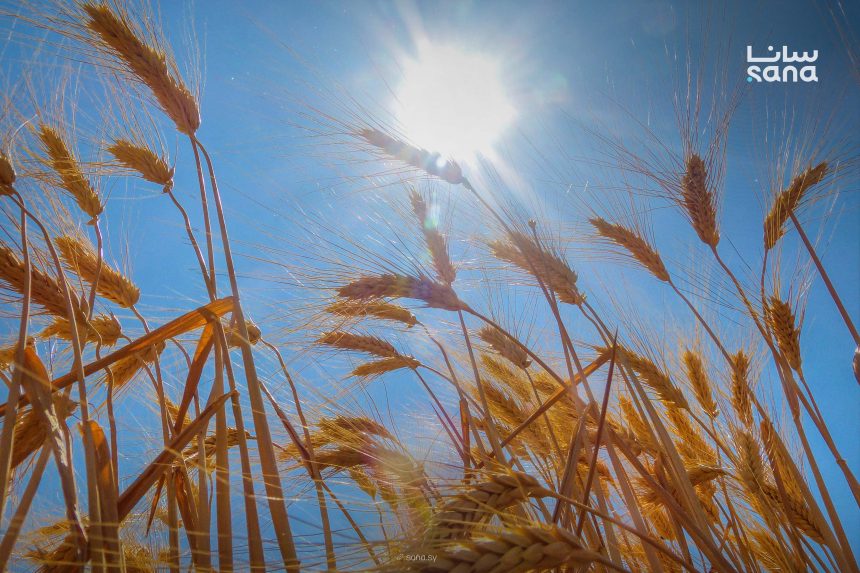
The Syrian Grain Corporation branch in Daraa has designated four centers for the reception of wheat from farmers for the current 2026 agricultural season. These centers, established to facilitate the collection process, are strategically located across the region to ensure full coverage and accessibility for agricultural producers. The four designated locations are Izra, Al-Sanamayn, Nawa, and Bosra al-Sham, providing key and accessible points for farmers to deliver their crops efficiently. This strategic placement aims to minimize transportation burdens for farmers and streamline the overall collection effort across the governorate.
Center Capacities and Wheat Types
The Izra center is specifically equipped to receive 'dokma' wheat, which refers to bulk, unpackaged grain, possessing a substantial storage capacity of approximately 85,000 tons. This significant capacity positions the Izra facility as a key hub for large-scale wheat reception in the region. Meanwhile, the Al-Sanamayn center focuses on receiving wheat delivered in burlap sacks, with its capacity estimated at around 3,000 tons. This method of reception caters to farmers who prefer or are equipped to transport their harvest in traditional sacking.
The Bosra al-Sham center is also designated for wheat packed in sacks, utilizing both a dedicated warehouse and open areas for storage, and has a capacity of 5,000 tons. This dual storage approach allows for flexibility depending on the volume of incoming grain and weather conditions. For its part, the Nawa grain center is prepared to accept wheat in either sacks or as 'dokma', offering a versatile storage capacity of approximately 14,000 tons to farmers in its vicinity. This adaptability ensures that a wider range of farmers, regardless of their packaging methods, can deliver their produce. These varied capacities and reception methods aim to accommodate different logistical needs and harvest practices across the Daraa region's agricultural producers, ensuring that all farmers have suitable options for delivering their wheat.
Preparations and Infrastructure
The Syrian Grain Corporation (المؤسسة السورية للحبوب) branch in Daraa (درعا) has undertaken significant efforts to prepare for the new season. The branch reopened its Bosra al-Sham (بصرى الشام) and Nawa (نوى) centers this season following extensive maintenance and rehabilitation efforts. These key facilities are now fully prepared to receive the new agricultural season's harvest, having undergone necessary upgrades to ensure operational efficiency and reliability. Concurrently, the branch is actively managing the logistics of its existing inventory by shipping wheat stock from the Izra (إزرع) silo to other governorates. This ongoing operation is specifically designed to create the necessary storage capacity within the Izra facility for the incoming wheat supply from the current agricultural season, preventing bottlenecks and ensuring smooth reception. The Nawa grain center is undergoing significant maintenance and rehabilitation work, which is being executed under a contract valued at $235,000 USD. This substantial investment shows the commitment to enhancing the long-term functionality and capacity of the Nawa facility.
Reception Committees and Logistics
To ensure an organized and fair reception process, the Directorate of Internal Trade and Consumer Protection in Daraa has established specialized committees. These committees are tasked with overseeing wheat reception at all designated marketing centers. Their responsibilities include managing the intake process, ensuring quality control of the delivered grain, and meticulously verifying deliveries from farmers to prevent discrepancies. The formation of these committees aims to streamline operations and facilitate the efficient handling of the incoming harvest across all four collection points: Izra, Al-Sanamayn, Nawa, and Bosra al-Sham. This measure is part of broader efforts to coordinate agricultural commodity logistics within the governorate, ensuring transparency and efficiency throughout the critical harvest period. The presence of these committees is expected to provide a structured and equitable system for all farmers participating in the wheat delivery program.