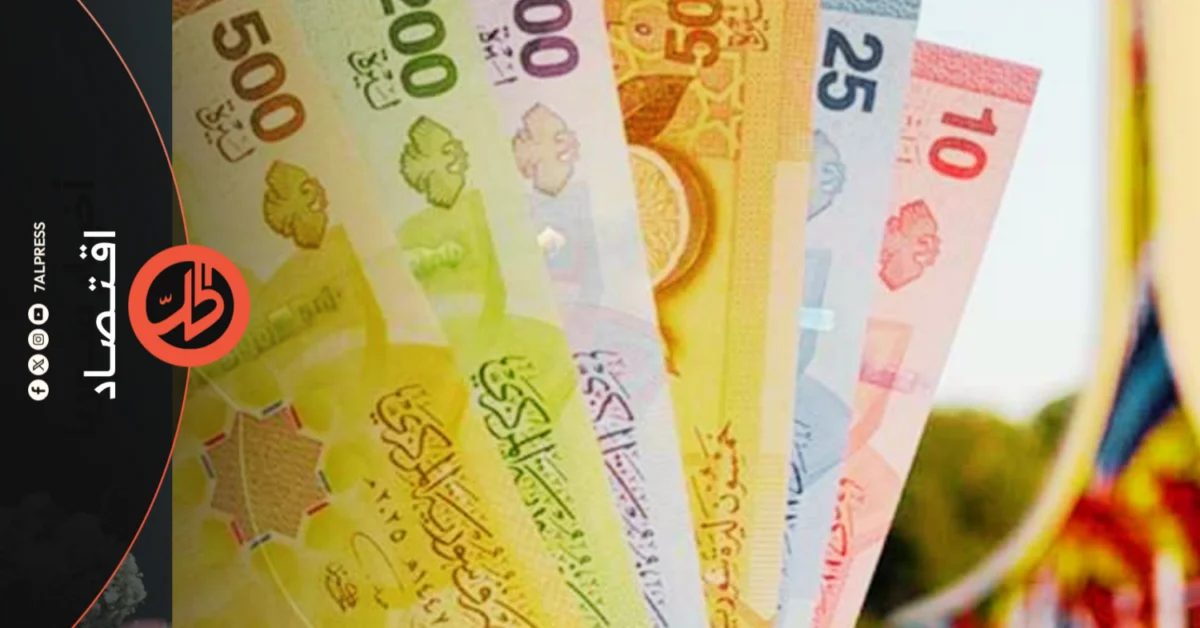
Economic expert George Khuzam claims the Syrian Sovereign Wealth Fund is suppressing consumer demand by locking away liquidity. His assessment comes as the Syrian economy faces a persistent liquidity crisis. George Khuzam argues that the fund’s current management of capital assets restricts the circulation of currency within the domestic market. According to his analysis, the decision to maintain these holdings in their current form prevents necessary funds from reaching the broader economy. This policy creates a direct impact on the purchasing power of citizens across Syria. George Khuzam suggests that the fund's strategy prioritizes asset preservation over immediate economic stimulation. His findings indicate that the resulting scarcity of cash complicates daily transactions for local businesses and households throughout the country.
Shadow Rates and Inflation
George Khuzam estimates that consumer goods in Syria are effectively priced at a shadow rate exceeding 19,000 SYP per dollar. This calculation reflects the discrepancy between official valuation and the actual costs faced by households for basic commodities. By incorporating this shadow rate into his assessment, he identifies a significant inflationary pressure currently affecting the domestic market. His figures suggest that the gap between the formal exchange rate and these higher market costs continues to erode the value of the local currency. Syrian businesses and residents must account for this increased valuation when calculating the retail prices of essential goods. The estimation provides a specific metric for the broader financial strain described by George Khuzam regarding the current liquidity crisis.
Economic Contraction and Growth
The World Bank reported on 7 July 2025 that Syria's GDP contracted by 1.5 percent in 2024. This contraction reflects the broader economic challenges facing the country during that period. Despite the decline observed in 2024, the World Bank projected 1 percent growth for Syria's economy in 2025.
A July 2025 report by the European Union Agency for Asylum documented ongoing withdrawal limits and digital payment system breakdowns in Syria. These operational difficulties within the financial sector coincide with reported constraints on the availability of cash for citizens and businesses. The document indicates that these systemic issues continue to hinder the movement of capital for daily transactions.
The Financial Times reported an unverified estimate of fifty billion dollars in assets held by the Syrian Sovereign Wealth Fund. This figure represents the total valuation of holdings currently under the management of the fund. The report links the scale of these assets to the ongoing discussion regarding the liquidity crisis and the fund's role in the national economy.