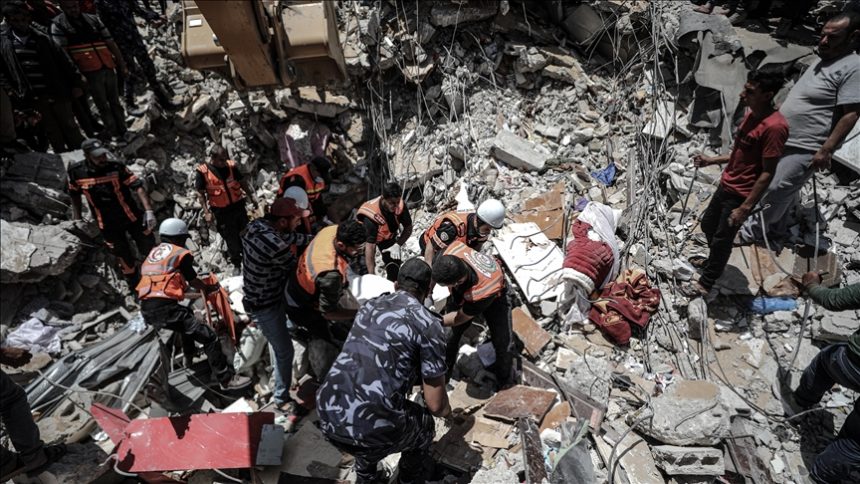
The number of victims from the ongoing Israeli aggression on the Gaza Strip has surpassed 72,000 killed and 172,000 injured, according to recent figures. Since October 7, 2023, 72,601 people have been killed in the Palestinian territory. An additional 172,419 individuals have sustained injuries in the Gaza Strip during the same period. The escalating casualty count notes the severe human cost of the conflict in the besieged enclave, where the health system is facing collapse. These figures show the devastating impact of the hostilities on the civilian population, leading to an unprecedented humanitarian crisis within the territory. The continuous rise in fatalities and injuries paints a grim picture of the situation on the ground.
Recent Casualties Reported
Hospitals in the Gaza Strip reported receiving two killed and eight injured individuals over the past 24 hours. These recent casualties add to the growing toll in the enclave, reflecting the persistent danger faced by residents. The daily influx of wounded individuals further strains the already overwhelmed medical facilities and personnel.
The total number of fatalities in the Gaza Strip has now reached 824 killed since the ceasefire began on October 11. Concurrently, the number of wounded individuals has climbed to 2,316 during the same period. This continued violence, even after the ceasefire, shows the ongoing precariousness of the situation. The consistent reporting of new casualties emphasizes the urgent need for full medical intervention and support. The ongoing violence continues to strain the already struggling healthcare infrastructure across the territory, making it increasingly difficult to provide adequate care for those affected.
Health System Under Strain
The Gaza Strip has experienced a widespread collapse of its health system since the start of the Israeli aggression in October 2023. This deterioration has significantly impacted healthcare services across the Palestinian territory, leaving a vast majority of the population without access to essential medical care. The systemic breakdown affects everything from emergency response to chronic disease management.
Hundreds of medical facilities in the Gaza Strip have been destroyed, contributing to the severe strain on remaining resources. This widespread destruction has decimated the healthcare infrastructure, making it nearly impossible for medical professionals to operate effectively. Most hospitals are currently out of service, further limiting access to critical care for the injured and sick. The few remaining operational facilities are struggling with immense patient loads and severely limited supplies. Additionally, the region faces a severe shortage of essential medicines, exacerbating the challenges for healthcare providers attempting to treat patients amidst ongoing hostilities. The widespread damage and lack of supplies have left the health infrastructure severely debilitated, affecting the capacity to respond to the growing medical needs of the population and hindering efforts to save lives. The absence of key medical equipment and personnel further compounds these difficulties.
Broader Impact and Challenges
Many victims remain trapped under rubble and in the streets within the Gaza Strip, as ambulance and rescue crews are unable to reach them. This ongoing situation contributes to the rising casualty figures and complicates efforts to retrieve bodies and provide aid, leaving countless individuals in dire circumstances. The inability of rescue teams to access these areas means that many injured individuals may succumb to their wounds without receiving timely medical attention.
The entry of aid and medical supplies into the Gaza Strip faces significant restrictions. These limitations exacerbate the humanitarian crisis, further hindering the ability of healthcare providers to treat the injured and address the widespread shortage of essential medicines. The restrictions directly impact the capacity to respond to the urgent medical needs of the population and prevent the delivery of critical resources to a collapsing health system, deepening the suffering of those affected by the conflict. The scarcity of fuel, electricity, and clean water also cripples the functionality of the few remaining medical centers.