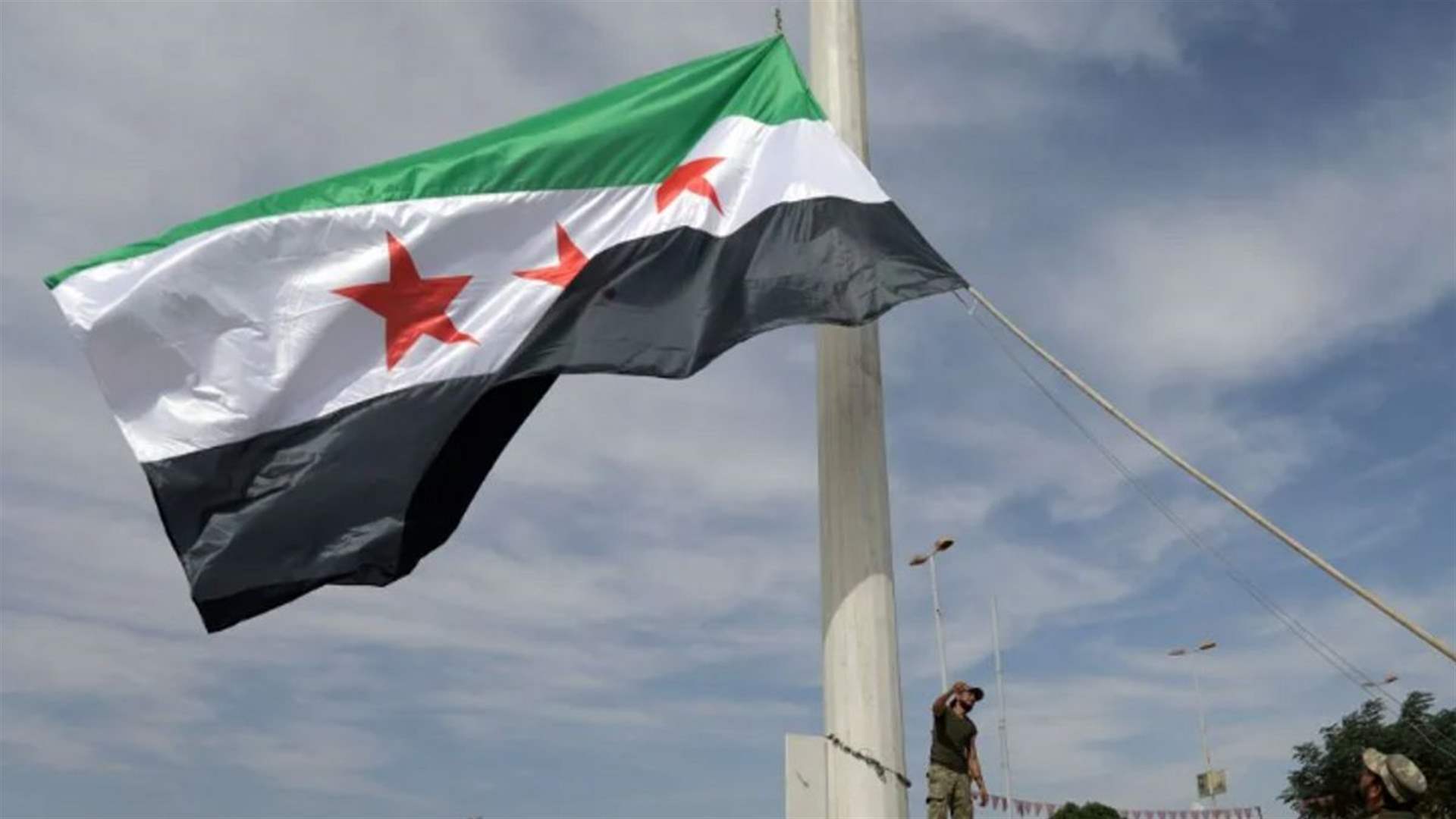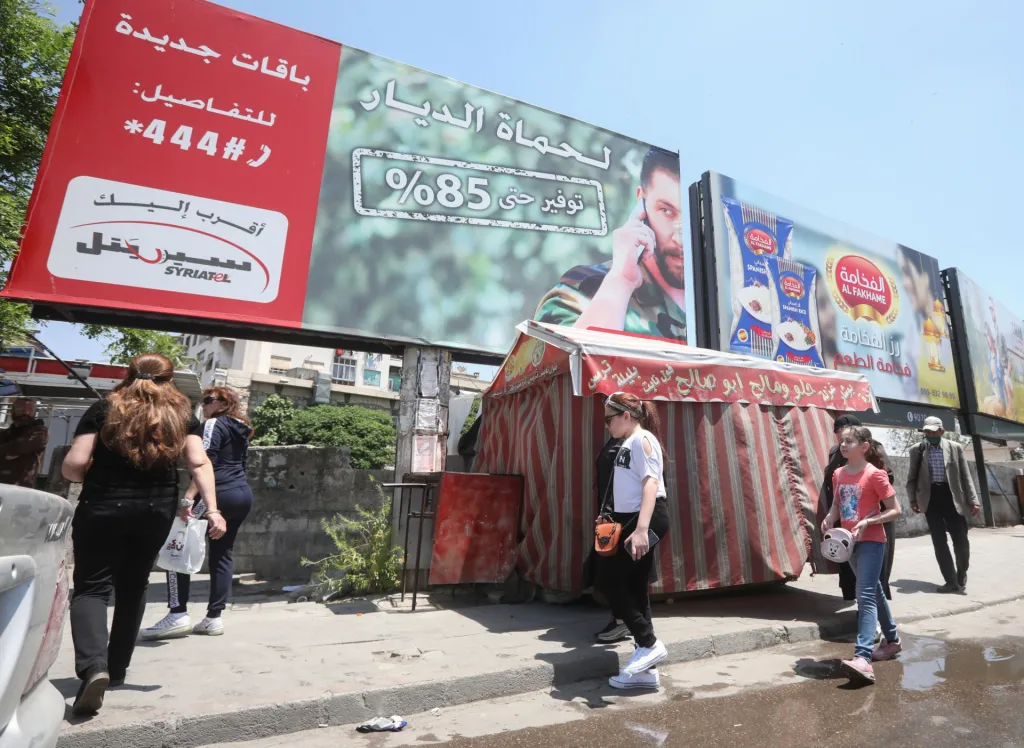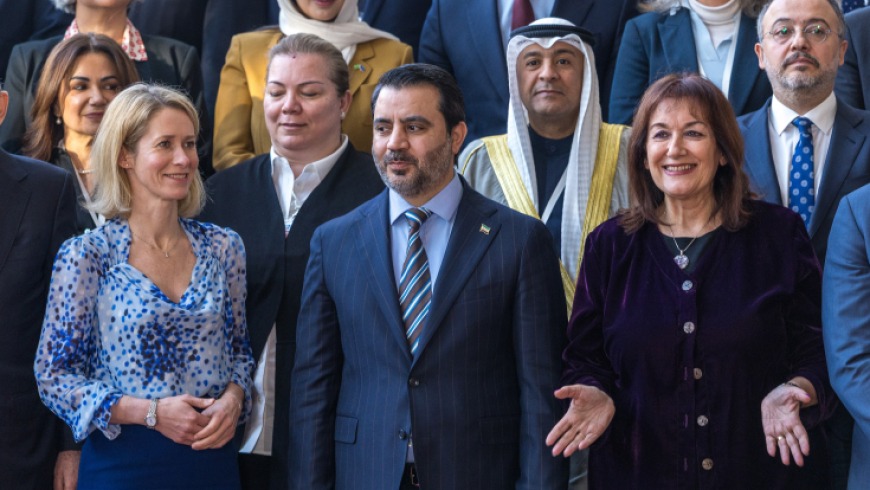
Foreign ministers from Euro-Mediterranean Partnership member states convened in Barcelona on November 28, 2025, marking the 30th anniversary of the partnership. This significant gathering was held three decades after the foundational Barcelona Declaration of 1995, which established the framework for enhanced cooperation across the Euro-Mediterranean region. The meeting took place as Syria seeks to renew ties with Europe, following a 14-year suspension from the partnership. Syria's membership had been suspended due to European sanctions imposed against its former regime, a measure taken in response to the political climate and actions during that period. The Barcelona gathering signals a potential shift in regional diplomatic engagements concerning Syria's future role, opening avenues for renewed dialogue and collaboration.
Partnership Pillars and Goals
The Euro-Mediterranean Partnership is structured around three interconnected pillars: the political and security dimension, the economic and financial dimension, and the social, cultural, and humanitarian dimension. These three dimensions were established by the Barcelona Declaration of 1995, which laid out a full vision for regional cooperation. The Declaration committed all signatory states to developing the rule of law and democracy within their borders, emphasizing the importance of good governance and transparent institutions. It showed a collective commitment to respecting human rights and fundamental freedoms across the partnership's member nations, setting a high standard for shared values and principles. This foundational document continues to guide the partnership's objectives, aiming to foster stability, prosperity, and cultural understanding throughout the region.
Syria's Diplomatic Push
Brussels is scheduled to host Syrian Foreign Minister Asaad al-Shibani on May 11. This high-level meeting aims to establish a new political framework for the Syrian–European partnership, which would supersede the cooperation agreement originally signed in 1978. The existing 1978 agreement is considered outdated given the significant geopolitical changes and evolving regional dynamics over the past decades. This initiative forms part of Syria's broader diplomatic efforts to re-engage with European nations after a period of estrangement, seeking to rebuild trust and foster more contemporary and effective collaborative relationships. The proposed new framework is expected to address current challenges and opportunities, reflecting a mutual desire for a modernized partnership.
Concurrently, Interim President Ahmad al-Sharaa participated in the Nicosia Summit. His attendance at the summit was directed towards strengthening Euro-Mediterranean coordination, noting Syria's commitment to multilateral diplomacy. The Nicosia Summit provided a key platform for discussions on regional stability, economic development, and cultural exchange, aligning with Syria's renewed engagement strategy. These diplomatic engagements signal a concerted push by Syria to renew its partnerships within the European and broader Mediterranean regions, demonstrating a proactive stance in international relations. The Syrian government has been actively pursuing avenues for international re-engagement, particularly focusing on its relationships with European states, which are seen as vital for its future stability and development. These discussions are critical as Syria seeks to redefine its international standing and collaborate on regional stability and development initiatives, moving beyond past isolation.
President's Vision for Cooperation
A representative of the new administration participated in the 10th Regional Forum held in Barcelona. The forum served as a platform for discussions on regional cooperation and strategic partnerships, aligning with Syria's broader diplomatic outreach efforts. This engagement shows the interim government's intent to actively participate in multilateral dialogues concerning the Mediterranean region's future, contributing to shared solutions for common challenges. Such participation is key for Syria to reintegrate into regional frameworks and demonstrate its commitment to constructive engagement.
Concurrent discussions have focused on various resources, including East Mediterranean gas, estimated at 300 trillion cubic feet. Such resources are increasingly seen as key for regional energy security and economic cooperation, offering significant potential for shared prosperity. Syria's participation in these discussions notes its interest in contributing to and benefiting from collaborative initiatives related to the region's energy landscape, recognizing the strategic importance of these reserves. These diplomatic engagements are part of a concerted strategy to redefine Syria's role within Euro-Mediterranean partnerships and foster renewed cooperation on economic and political fronts. The interim administration aims to integrate Syria into regional dialogues concerning shared challenges and opportunities, emphasizing a forward-looking approach to its international relations. This full strategy seeks to leverage regional cooperation for Syria's long-term recovery and stability.
Challenges and Conditions
Since April 24, the European Commission has affirmed the reactivation of the partnership agreement with Syria. This development marks a significant step in the ongoing efforts to redefine the relationship between Syria and European nations, signaling a willingness from both sides to move forward. The reactivation is a clear indication that the process of re-engagement is gaining momentum, moving from initial discussions to concrete actions. Concurrently, the European Union has approved a financial package. This package, valued at €620 million, is designated for Syria’s stability and reconstruction efforts during 2026–2027. This substantial financial commitment shows the EU's willingness to support Syria's recovery and its re-engagement with international partners, providing key resources for rebuilding and development. The funds are expected to play a vital role in addressing immediate needs and supporting longer-term projects aimed at fostering resilience and sustainable growth in Syria. This financial aid is seen as a tangible expression of support for the ongoing diplomatic efforts and the potential for a renewed partnership.