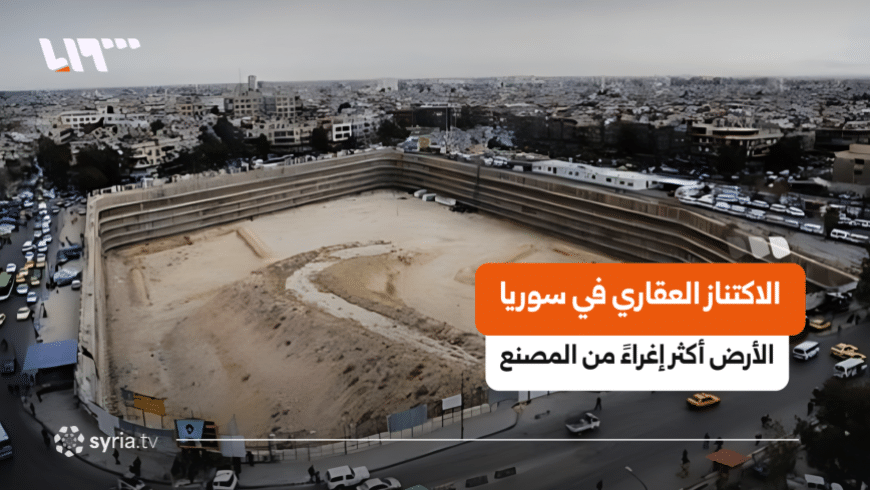
The Syrian conflict has lasted for fourteen years. Damascus currently faces significant challenges that include rebuilding state institutions and unifying armed forces. National efforts also remain focused on reconstructing the economy after more than a decade of instability. Additionally, the government continues the process of facilitating the return of refugees to Syria. These four distinct areas—the reconstruction of state institutions, the unification of disparate armed forces, the recovery of the national economy, and the logistical management of returning refugees—represent the core pillars of the current domestic agenda. Syria currently faces challenges including rebuilding state institutions, unifying armed forces, reconstructing the economy, and facilitating the return of refugees.
History of Proxy Involvement
Syrian opposition factions have participated in conflicts in Libya, Azerbaijan, and Ukraine in recent years. These groups have functioned as proxy forces for external powers seeking to influence the outcomes of those specific regional disputes. Military commanders and various international monitors documented the deployment of these fighters across the three countries throughout the last several years. Syrian opposition factions have been used as proxy forces in conflicts in Libya, Azerbaijan, and Ukraine in recent years. The utilization of these fighters as proxies has drawn scrutiny from those monitoring the stability of the region. As external powers continue to leverage these groups to advance specific strategic interests, the potential for these fighters to remain engaged in foreign theaters persists. This reliance on proxy forces has become a defining characteristic of how certain international actors engage with factions originating from the Syrian conflict, often prioritizing external objectives over the immediate domestic needs of the state.
Separately, Syria remains under pressure from ongoing Israeli strikes that target various locations within its borders. Israeli military operations continue to affect infrastructure and security across the country. Occupation forces also maintain control over parts of southern Syrian territory. Local administrative records confirm that these military activities persist alongside the domestic challenges of institutional reconstruction and economic recovery. Syria is experiencing ongoing Israeli strikes and the occupation of parts of its southern territory. These strikes frequently impact vital infrastructure, complicating the government’s efforts to stabilize the economy and restore basic services to the population. The presence of occupation forces in the southern regions further restricts the state’s ability to exercise full control over its sovereign territory. As these military operations continue, they intersect with the broader, difficult process of rebuilding state institutions. The persistent nature of these strikes and the ongoing occupation serve as constant variables in the security calculus of the country. Consequently, the dual pressure of external military activity and the internal requirements for economic and institutional reform creates a complex environment for the government. The administrative records show that these military activities are not isolated incidents but are occurring concurrently with the state's efforts to facilitate the return of refugees and unify its various armed forces, further straining the limited resources available for national recovery.