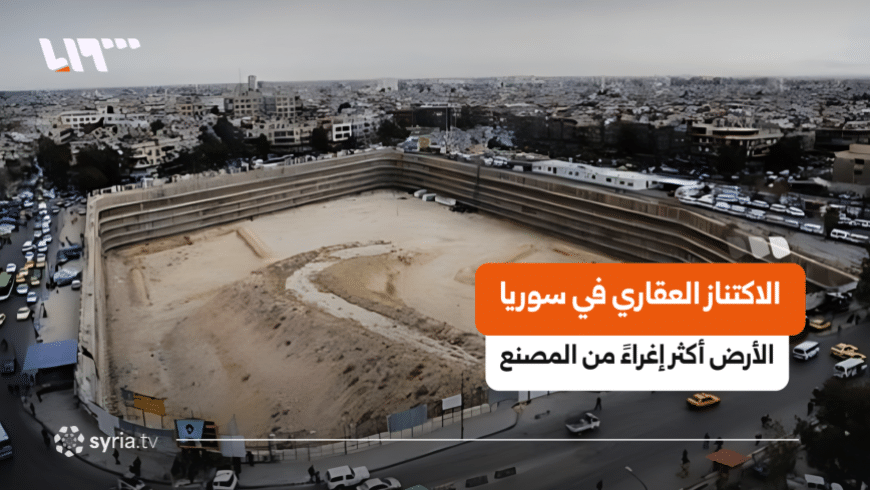
A plot of land in Aleppo formerly occupied by the Albi Tex textile factory is being cleared to make way for a new residential development known as the Albi project. Local authorities initiated the site preparation as part of a broader shift in urban land use within the city. The Albi project serves as a central component of an investment package officially approved by the Syrian Investment Authority and the Aleppo Governorate. This development initiative is valued at approximately 800 million dollars. The project represents a significant capital allocation for the region, aiming to repurpose industrial space for residential needs. Officials expect the transition of the former textile site to impact local property availability and investment trends in Aleppo.
The Appeal of Property Development
Academic and economic adviser Ziad Arabsh identifies specific drivers for the current interest in Syrian real estate. He states that property remains attractive to investors due to faster returns, easier access to finance, and strong demand for housing. Syrian businessman Mahmoud al-Darawi emphasizes the importance of the regulatory environment in this sector, noting, "The stability of regulations can matter more than their precise terms. Investors can adapt to demanding conditions when the rules are clear and consistent."
Business practices within the industry have evolved to manage liquidity during construction phases. Syrian businessman Hamza al-Deiri explains the prevalence of pre-sales in the market, stating, "Some developers market projects using architectural plans and visual renderings, then begin selling units and collecting advance payments to help finance construction." This approach allows firms to generate capital directly from prospective buyers, shifting the reliance away from traditional lending institutions.
Social researcher Talal al-Mustafa connects the trend of property hoarding to broader concerns regarding institutional reliability. He argues that property acquisition serves as a hedge against systemic uncertainty. According to al-Mustafa, "When investors fear unpredictable legislation, weak infrastructure and difficulties resolving disputes, they tend to preserve their wealth in physical assets they regard as safer." This behavior reflects a lack of confidence in the future and in public institutions, leading individuals to prioritize tangible real estate holdings over other forms of investment.