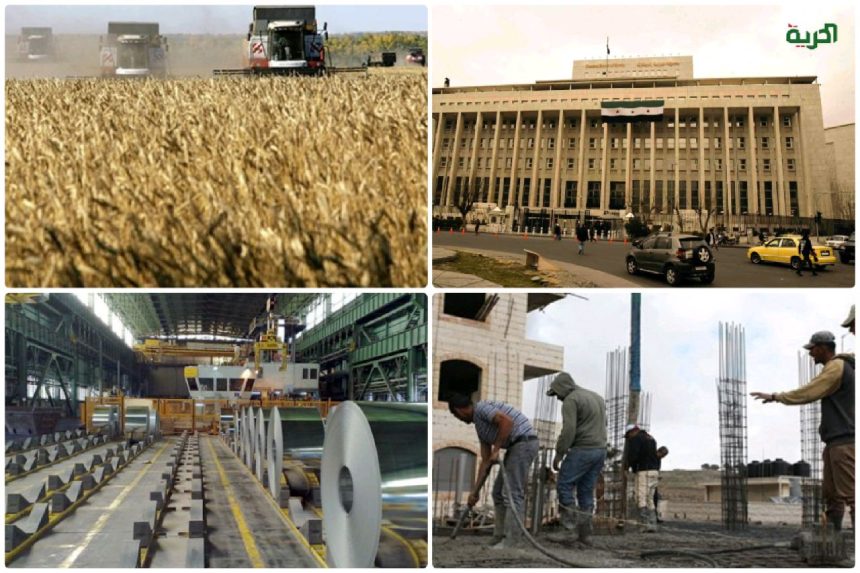
Syria is entering a period defined by fragility and significant consequences, more than a decade after the conflict began. This fragile yet consequential phase, following over ten years of sustained conflict, presents new challenges and opportunities for rebuilding, particularly in cities like Aleppo. The country's trajectory now involves navigating complex socio-economic issues amidst ongoing humanitarian needs, demanding a nuanced approach to recovery. Local and international organizations, including the Danish Refugee Council, International Medical Corps, Norwegian Refugee Council, Oxfam, Syria Community Consortium, and UNHCR, are actively involved in efforts to address these multifaceted challenges. The current environment demands careful consideration of both immediate relief and long-term recovery strategies to foster stability and growth.
Syria's Fragile Transition
Political developments that occurred on December 8, 2024, have contributed to a noticeable shift in the operating environment for businesses across Syria. This transition has introduced new uncertainties for commercial activities, particularly in cities like Aleppo, which are attempting to recover from years of conflict. Enterprises are now re-evaluating their strategies in response to the changing political landscape, which directly impacts supply chains, market access, and regulatory frameworks. The situation demands that businesses adapt quickly to evolving conditions, balancing the need for economic recovery with the inherent risks of a fluid political climate. Many local entrepreneurs express cautious optimism while acknowledging the significant challenges ahead. The immediate effects include adjustments in trade routes and a re-assessment of investment opportunities, reflecting the delicate balance between potential growth and persistent instability.
Aleppo's Recovery Momentum
Aleppo is at the centre of this transition, with emerging signs of recovery reshaping patterns of human mobility and economic investment. The city has experienced significant returns of its displaced population. According to a May 2026 assessment by the United Nations High Commissioner for Refugees (UNHCR), Aleppo recorded 461,914 returning internally displaced persons (IDPs). This figure represents the highest number of IDP returns across Syria, showing the city's role as a focal point for repopulation and reconstruction efforts. The return of such a large number of residents indicates a critical phase in Aleppo's journey towards rebuilding its social and economic infrastructure. This influx of returning citizens creates both opportunities for revitalizing local markets and challenges in providing adequate housing, services, and employment.
SME Operating Environment
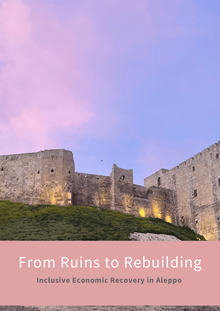
This policy brief examines the economic dynamics within Aleppo, specifically focusing on the operating environment for small and medium-sized enterprises (SMEs). The Syrian Community Consortium (SCC) produced the policy brief. The SCC is a resilience-focused program that includes several international organizations. These organizations are the Danish Refugee Council (DRC), International Medical Corps (IMC), the Norwegian Refugee Council (NRC), and Oxfam in Syria. Their collaborative effort aims to shed light on the challenges and opportunities facing Aleppo's business sector as the city continues its recovery process. The brief's scope includes assessing factors that influence SME growth and sustainability in the post-conflict landscape, providing key insights into the local economy. It also considers the broader economic conditions impacting local entrepreneurship, noting the interdependent nature of recovery efforts.
Pathways to Sustainable Recovery
The Syrian Community Consortium (SCC) aims to enable sustainable recovery pathways through integrated programming. This programming focuses on economic recovery, including business training, grants, and livelihood support, to foster long-term stability in the region. By empowering local businesses and entrepreneurs, the SCC seeks to lay the groundwork for a more strong and resilient economy in Aleppo and beyond. These initiatives are key for strengthening the capacity of SMEs to not only survive but thrive in the challenging post-conflict environment, thereby contributing significantly to the wider societal recovery.