Syria’s Higher Committee for People’s Assembly Elections recently released the long-delayed results for parliamentary seats in the northeastern regions of Hassakeh, Qamishli, and Ayn al-Arab (Kobani). This announcement, which came after months of anticipation, addresses the key issue of representation from these strategically important areas. The electoral body had been working to finalize the outcomes, and the release of these results marks a significant development in the country's political landscape. In Hassakeh city, Ibrahim Mustafa al-Ali, Omar Hayes, and Fasla Youssef were confirmed as securing seats in the People’s Assembly, representing a key victory for these candidates. Results from Ayn al-Arab, also known as Kobani, showed that Farhad Anwar Shahin and Shwakh Ibrahim al-Assaf won their respective contests, adding two more representatives to the legislative body. The finalized results mark a significant step in the electoral process for these key Syrian provinces, providing clarity on the composition of their parliamentary representation.
Official Results and Participation
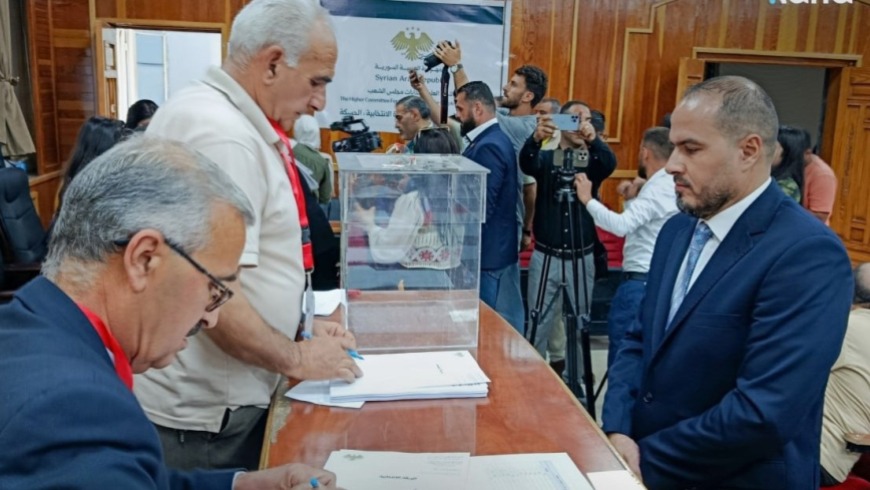
The electoral process concluded with nine winning candidates across the specified districts, a number that reflects the various constituencies involved in this round of elections. This outcome is the result of a full voting process conducted by the electoral college members in the concerned regions. In Qamishli, the results confirmed Kim Ibrahim, Radwan Sido, Abdel Halim al-Ali, and Mahmoud Madi as elected representatives, securing four of the nine available seats. These individuals will now represent the Qamishli district in the People's Assembly. Similarly, in Ayn al-Arab, the victories of Farhad Anwar Shahin and Shwakh Ibrahim al-Assaf further solidified the representation from that area. The vote produced these nine winning candidates, each of whom will serve in the People's Assembly.
Nawar Najmeh, an official involved in the process, reported exceptionally high participation among electoral college members, showing the engagement within the electoral system. Najmeh stated that turnout exceeded 96 or 97 percent in some areas, a figure that suggests a strong commitment from those tasked with selecting the representatives. This high level of participation is noteworthy, indicating that the electoral colleges were actively involved in fulfilling their duties. Ayn al-Arab demonstrated a similar pattern of representation, according to Najmeh, reflecting a broad engagement from the local electoral bodies in determining their parliamentary delegates. The high participation rates in these areas show the engagement of the electoral college in selecting the representatives for the People’s Assembly, ensuring that the process was carried out with significant involvement from its members. The results from Qamishli and Ayn al-Arab complete the picture of representation for the northeastern regions, alongside the previously announced winners from Hassakeh city, offering a full roster of elected officials from these areas.
Minority Concerns and Allegations
Nawar Najmeh indicated the distribution of winning candidates by ethnicity in some areas, providing a breakdown that sheds light on the demographic representation. Najmeh stated that Qamishli elected two Kurdish and two Arab winners, achieving an equal split between these two major ethnic groups in that district. In al-Malikiya, one Kurdish and one Arab candidate were elected, according to Najmeh, again showing a balance in representation. For Hassakeh, Najmeh reported that the results yielded one Kurdish and two Arab representatives, indicating a slight majority for Arab candidates in that specific area. Najmeh also stated that Ayn al-Arab showed a similar pattern of representation, suggesting a balanced or diverse outcome in line with the other districts mentioned. The electoral system, Najmeh clarified, does not rely on ethnic, religious, or gender quotas for representation, emphasizing that the selections are made based on other criteria rather than predetermined demographic allocations. This position notes the official stance on the impartiality of the electoral process regarding identity-based mandates.
However, Suleiman Youssef presented a different perspective regarding the representation of minority groups, particularly the Syriac-Assyrian Christian community. Youssef stated that the electoral colleges in both Qamishli and al-Malikiya included more than 20 Syriac-Assyrian Christian members, indicating a significant presence of this community within the electoral bodies. These Syriac-Assyrian members subsequently withdrew from the process, Youssef claimed, after concluding that an understanding between Kurdish and Arab members would prevent Christian candidates from securing the necessary votes. This alleged understanding, according to Youssef, effectively marginalized the Syriac-Assyrian candidates, leading to their withdrawal due to perceived insurmountable obstacles. Youssef further alleged that an Assyrian Christian candidate, Ninorta Shamoun, was excluded from the representation for Hassakeh city, despite her potential candidacy. This exclusion, Youssef contended, was a result of an understanding reached between Arab and Kurdish members within the electoral college, suggesting a deliberate effort to bypass Christian representation. Youssef claimed that this understanding denied Christian candidates the necessary votes, preventing their election and raising concerns about fairness and inclusive representation.
Broader Implications and Next Steps
The elections are being closely watched for their potential influence on ongoing negotiations concerning the integration of the Syrian Democratic Forces (SDF) into state institutions. The outcome of these parliamentary selections could play a role in how future political arrangements are shaped, particularly regarding the SDF's involvement in the broader Syrian governmental framework. Following the announcement of results, the Higher Committee for People’s Assembly Elections stated that candidates and electoral college members have a 48-hour window to file any appeals regarding the process. This period allows for formal challenges or objections to be submitted before the results are fully finalized, providing an avenue for addressing any irregularities or disputes that may have arisen during the electoral proceedings. The Higher Committee said candidates and electoral college members have 48 hours to file appeals, ensuring a structured mechanism for addressing grievances.
Looking ahead, the first session of the new People’s Assembly is tentatively scheduled to convene in June, marking a key milestone for the newly elected representatives. This session would mark the official start of the assembly's new term with its elected members, where they will begin their legislative duties. Meanwhile, seats allocated to the Suwayda governorate are expected to initially remain vacant, indicating a potential delay in filling the representation for that specific region. This situation suggests that the electoral process for Suwayda may be subject to further considerations or a separate timeline. President Ahmad al-Sharaa is slated to appoint 70 members to the People's Assembly. These appointments will complement the elected representatives, shaping the final composition of the legislative body and adding a significant number of non-elected members to the assembly. President Ahmad al-Sharaa will appoint 70 members to the People's Assembly, a measure designed to ensure broader representation or to bring in specific expertise, thus completing the full roster of the parliamentary body.