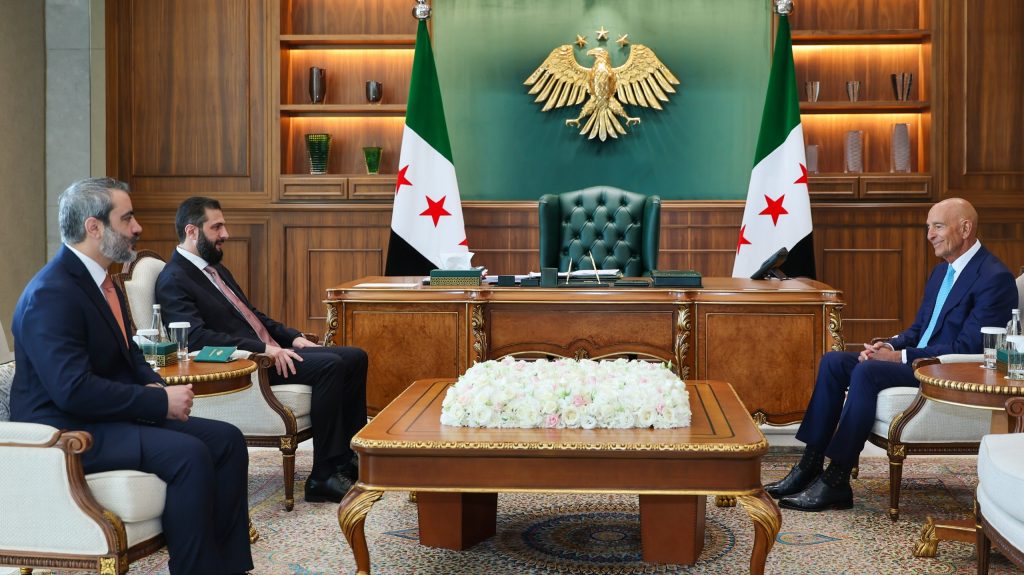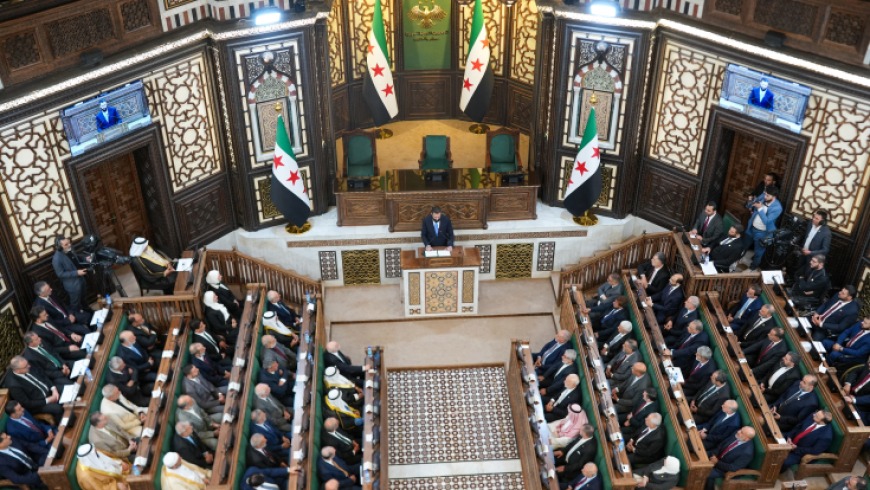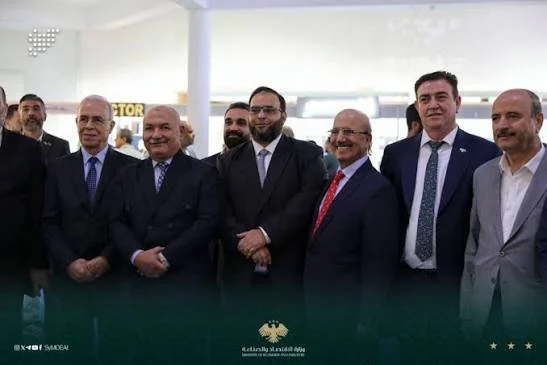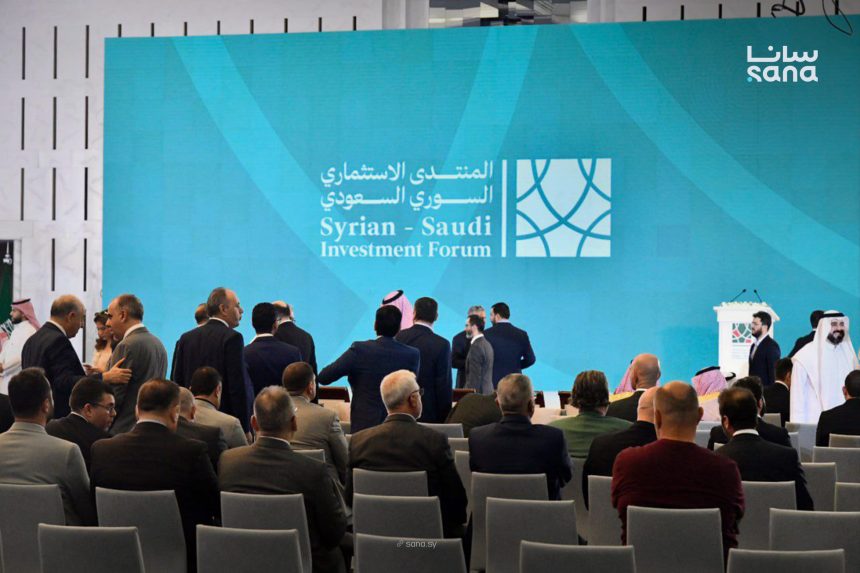
Syria secured major foreign investment deals during 2025 and 2026 to accelerate reconstruction efforts. During the Syrian-Saudi Investment Forum in July 2025, representatives signed 47 agreements and memoranda of understanding worth more than $6.4 billion. On 5 October 2026, the Syrian government signed a framework agreement with UAE-based Eagle Hills for urban and tourism projects worth approximately $17 billion. Dr. Mohammad Kousa, economic expert, stated: "Investment agreements and memoranda of understanding announced between Syria and Saudi Arabia, Qatar and the United Arab Emirates provide a strategic entry point for rebuilding the national economy, targeting productive and service sectors as well as vital infrastructure projects." These capital inflows signal a shift in regional economic engagement as the government seeks to restore key national industries.
Real Estate Development Projects
Abiyat launched the 'Abiyat Hills' project in Qudsaya, Damascus countryside, during June 2026. This development covers 379,000 square meters and includes 2,000 housing units. Separately, the 'Modern Urban Community' project in Al-Bijaa, Damascus countryside, encompasses six million square meters. This site will contain 20,000 housing units, with an eight-year implementation period scheduled for the project. Adham Qudaimati, economic expert and researcher, stated: "Their importance extends beyond capital inflows to include the transfer of expertise and the development of human resources through the establishment of new companies and the opening of branches of Arab firms in Syria." These initiatives represent ongoing efforts to expand residential capacity within the region through large-scale construction ventures.
Infrastructure and Transport Upgrades
The General Authority for Borders and Customs signed a memorandum of understanding with DP World in May 2025. This agreement, valued at $800 million, focuses on the development of Tartous Port. The project aims to modernize port facilities to enhance trade capacity and operational efficiency.
The UAE National Investment Company proposed a 26.5-kilometer metro line in Damascus. This infrastructure project carries an investment value of $2 billion. The plan intends to expand the city's public transportation network to accommodate urban growth.
The Syrian Petroleum Company signed a memorandum of understanding with QatarEnergy on 12 May 2026. This agreement covers exploration for oil and gas in Syrian territorial waters. The partnership seeks to identify and develop energy resources located offshore.