Revisions to school textbooks for the 2026–2027 academic year in Syria have triggered widespread criticism. Parents and educators across the country are voicing concerns regarding the updated curriculum materials introduced for the current term. The Syrian Publishers’ Union oversaw the production of these books, which are now being distributed to classrooms in Syria. Public response to the changes remains intense as families evaluate the new content alongside the previous versions used in schools. Officials have not yet issued a formal statement addressing the specific objections raised by community members regarding these educational shifts. The ongoing debate continues to influence discussions about national standards for teaching and the overall direction of the academic program for the current year.
Changes to Visual Content
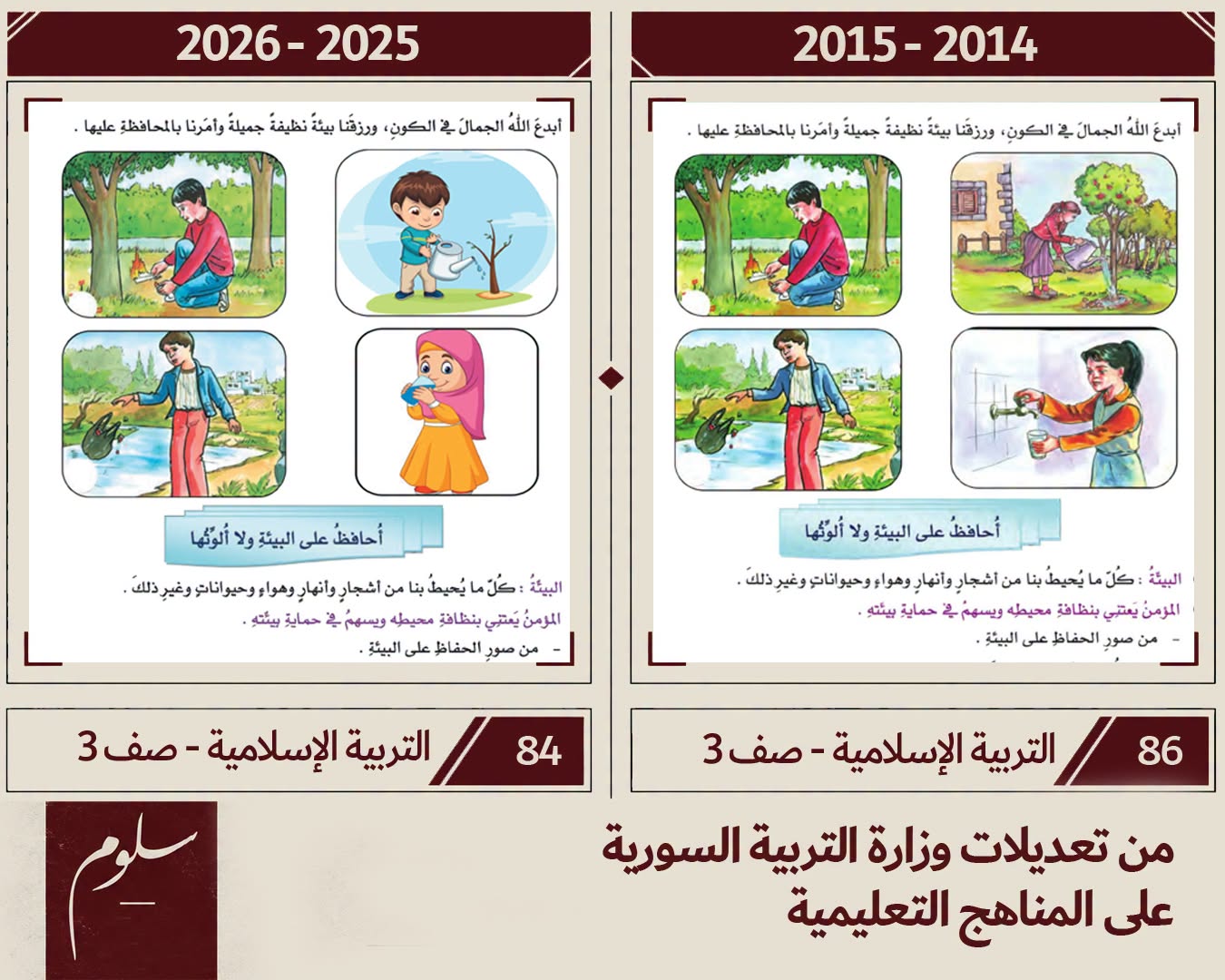
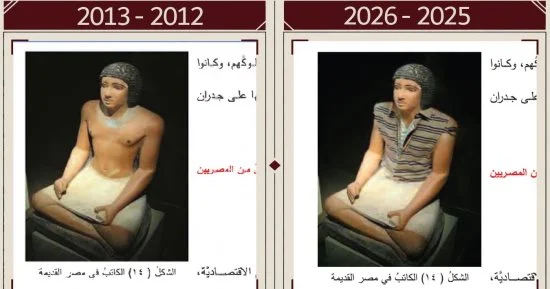
Detailed comparisons between the 2026–2027 edition and previous versions revealed the removal of images depicting women, children, artworks, and sculptures. These visual alterations represent a significant departure from the illustrative standards found in earlier iterations of the school books. Illustrators added hijabs or full-length robes to female figures that appeared in the updated materials. These modifications to visual content coincided with the deletion of specific lessons from the curriculum. Sixth-grade social studies textbooks no longer contain lessons regarding local government, political life, citizenship, the media, or democratic participation. The removal of these specific topics from the sixth-grade curriculum has been a primary focal point for those questioning the integrity of the educational updates.
The fact-checking platform Taakkad confirmed these findings on 24 October 2026. Their investigation verified both the removal of social studies lessons and the alterations made to images of women and artworks within the school books. By conducting a side-by-side analysis of the texts, Taakkad provided empirical evidence that the content had been altered to exclude depictions of children and specific cultural artworks. The platform’s report noted that the changes were consistent across the updated editions, confirming that the removal of lessons on citizenship and democratic participation was a deliberate editorial choice.
The Syrian Ministry of Education issued a statement on 26 October 2026 addressing the curriculum changes. The ministry asserted that only one round of curricular revisions had occurred since the fall of the Bashar al-Assad regime, with those changes introduced in 2025. This statement was intended to clarify the timeline of the updates, yet it has failed to quell the growing dissatisfaction among the public.
Journalist Mohammed al-Salloum rejected the official explanation provided by the government. "The ministry’s statement is entirely untrue," Mohammed al-Salloum said in response to the announcement. He argued that the recent revisions are distinct from the work performed in previous years and represent a fundamental shift in the educational material provided to students.
Novelist Mansour al-Mansour also criticized the developments regarding the textbook content. Describing the impact of the revisions on the national curriculum, Mansour al-Mansour called the situation "a crime committed against Syrians and against the educational process." As the academic term progresses, the dialogue between the Syrian Ministry of Education and the public remains strained, with many calling for a transparent review of the materials that have now reached classrooms across the country. The controversy notes the ongoing challenges of maintaining a consistent educational curriculum in the wake of significant national transitions.