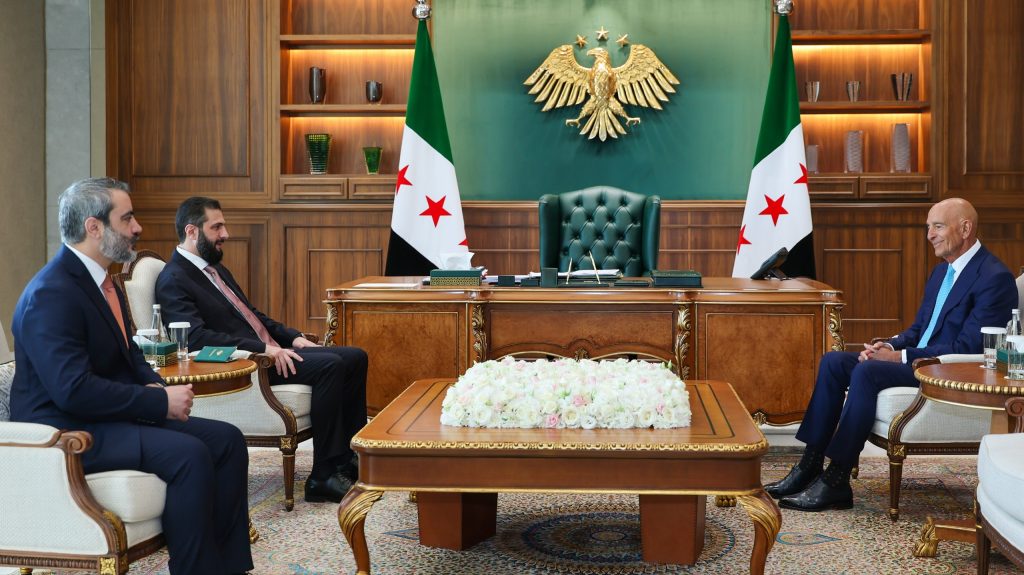
United States Special Presidential Envoy for Syria Tom Barak accused an unnamed Druze figure of nurturing illusions of American and Israeli support during a media interview on 24 October 2026. The envoy claimed this individual held misplaced expectations regarding foreign involvement in the region. His remarks come amidst ongoing tensions in Syria. Tom Barak did not identify the specific person involved in these alleged efforts. The statement serves as a direct commentary on the political climate affecting the Druze community. Observers continue to monitor the impact of these comments on local dynamics. No further details regarding the identity of the Druze figure or the nature of the anticipated support were provided by the envoy during the session.
The comments delivered by Tom Barak on October 24, 2026, have prompted a significant discussion regarding the diplomatic stance of the United States toward local actors within the Syrian landscape. By publicly addressing the existence of these perceived illusions, the envoy sought to clarify the boundaries of American engagement with various factions. The absence of a specific name for the Druze figure has led to widespread speculation among regional stakeholders, as many attempt to discern which political or social actors the envoy was referencing. This ambiguity has created a complex environment for those navigating the current political climate in Suweida.
Allegations of Illicit Financing
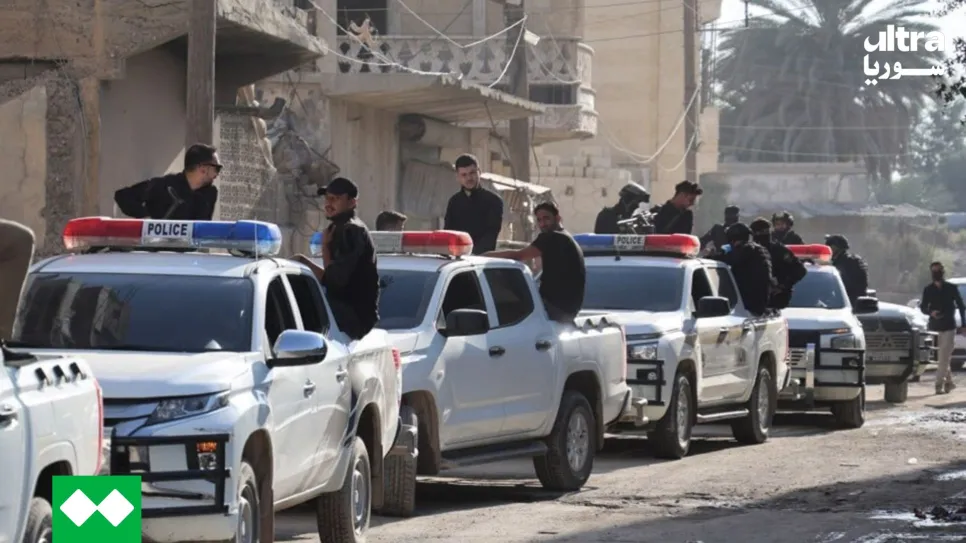
Tom Barak alleged that many armed groups operating between Daraa and Suweida are linked to the Captagon trade. He stated that these factions rely on illicit revenues to finance their weapons. The envoy’s focus on the economic underpinnings of these armed groups notes a growing concern regarding the sustainability of local militias. By linking the availability of weaponry directly to the proceeds of the Captagon trade, Tom Barak has drawn attention to the illicit networks that sustain conflict in the area. This assessment suggests that the operational capacity of these groups is tied to their ability to generate capital through prohibited activities.
Historical records indicate that the Great Syrian Revolt occurred in 1925.
Ahmad al-Hawas argued that the remarks from Tom Barak reflect a U.S. Strategic vision that prioritizes maintaining Syria as a unified state. He added that this perspective rejects separatist projects within the country. Ahmad al-Hawas further elaborated that the envoy's communication is intended to signal a firm commitment to the territorial integrity of Syria, effectively discouraging any local movements that might seek to leverage foreign alliances to pursue independent governance or regional autonomy. According to Ahmad al-Hawas, this strategic vision is central to understanding why the United States would choose to publicly dismiss expectations of support for localized political agendas.
Tom Harb, a member of the United States Republican Party, stated that the comments from Tom Barak represent personal assessments. He maintained that these statements do not indicate a shift in U.S. Policy. Tom Harb emphasized that the envoy’s remarks should be viewed as an individual interpretation of the situation rather than a formal modification of official diplomatic guidelines. By categorizing the statements as personal, Tom Harb sought to mitigate any potential confusion that regional actors might have regarding the consistency of U.S. Foreign policy. The distinction between official policy and the envoy's personal analysis remains a focal point for those analyzing the implications of the interview.