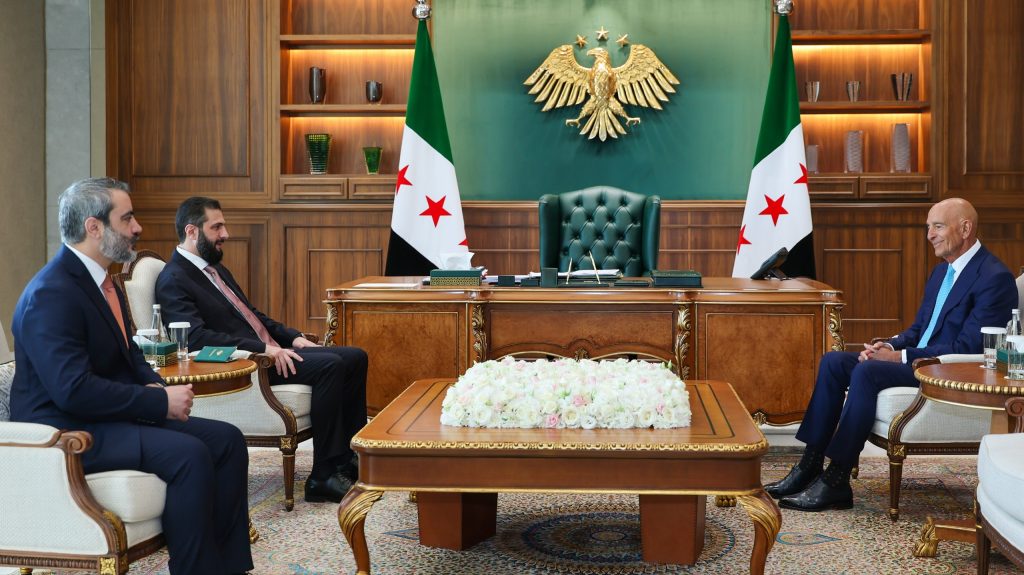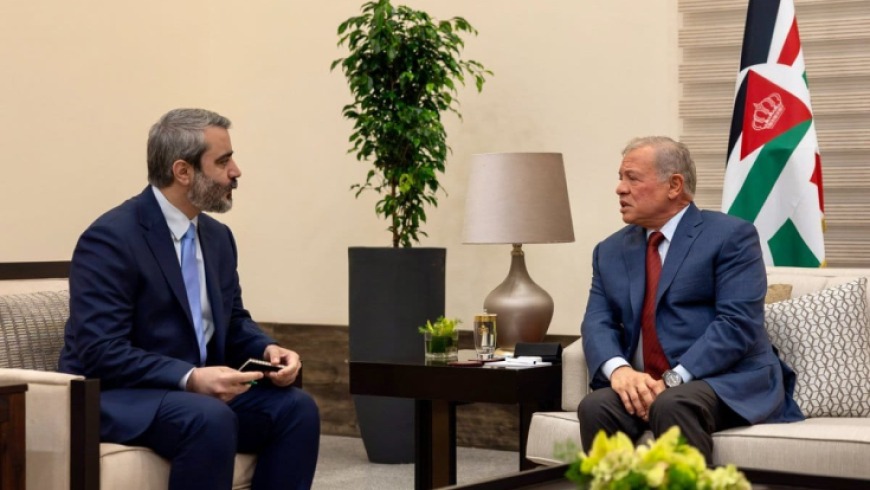
Israel’s parliamentary elections are scheduled for 27 October 2026. Ahead of the vote, a Syrian diplomatic source expressed optimism on 27 September 2026 that the upcoming electoral results might yield a government in Israel more willing to engage in security understandings with Damascus. The source indicated that shifts in the political composition of the Israeli government could influence the future trajectory of bilateral engagement between the two nations. These elections remain a point of focus for regional actors as they assess potential changes in policy regarding security arrangements. The diplomatic outlook from Damascus reflects an expectation that the transition in Israel may create new opportunities for dialogue, despite the current political climate preceding the ballot.
Current Political Landscape Projections
A mid-October 2026 opinion poll indicates shifts in the distribution of parliamentary power ahead of the 27 October 2026 elections. Projections from this survey suggest that Gadi Eisenkot’s Yashar party will secure 26 seats in the legislature. Meanwhile, the poll anticipates the Likud party will obtain 20 seats. These figures provide a baseline for assessing the potential legislative strength of the main political groups as the voting date approaches. The numbers reflect the standing of Gadi Eisenkot and the Likud party among the electorate during the final phase of the campaign. Regional observers continue to monitor these projections to understand how the parliamentary composition might affect future security arrangements involving Israel and Syria.
Military Presence and Territorial Control
Benjamin Netanyahu traveled to Mount Hermon on 9 September 2026. This visit served to emphasize Israeli control over territory extending from northern Quneitra to the Yarmouk Basin. The presence of Israeli forces in these areas remains a central aspect of the security situation near the border.
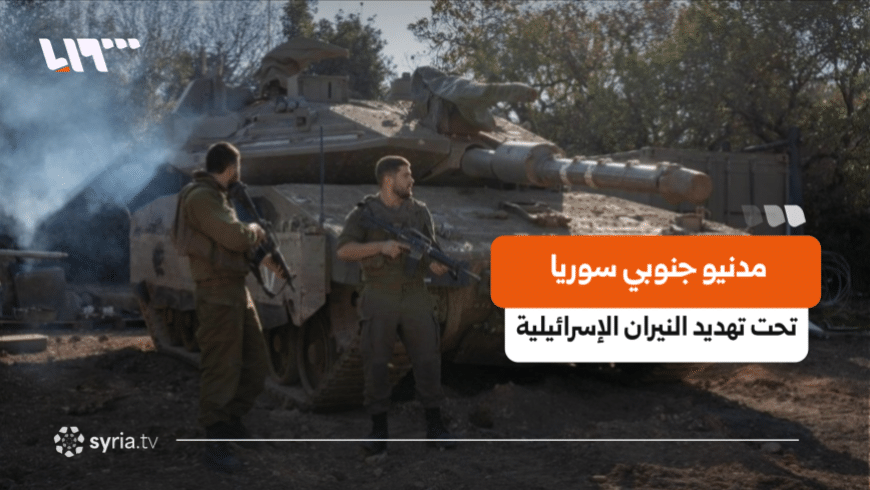
Nine Israeli military bases currently operate across a region stretching from the western countryside of Damascus through Quneitra to Daraa. These installations represent the extent of the military footprint maintained in the vicinity of the border. The geographic distribution of these bases encompasses key sectors of the frontier, impacting local security dynamics in the western countryside of Damascus and the southern provinces.
Damascus has formally demanded the withdrawal of all Israeli forces to the positions held before 8 December 2024. This request seeks a return to the military configuration that existed prior to that date. The demand for a withdrawal to these specific positions reflects the stance of the Syrian government regarding the current military presence and territorial control maintained by Israel. The dispute over these positions continues to be a point of contention in diplomatic assessments of the security arrangements between the two nations.