Social media platforms and news outlets have claimed over the past two weeks that Israel is supplying the National Guard militia, led by Hikmat al-Hijri, with advanced military hardware. These reports allege that the transfers are occurring within Suweida, Syria. The claims regarding the National Guard militia suggest a significant shift in the military landscape of the area, drawing attention from various digital platforms and news organizations. Separately, public allegations have surfaced claiming that Israel is preparing to establish an intelligence and early-warning post on Tal Qlayb in the Suweida countryside. Sources reporting on these developments indicate that the proposed facility would serve as a surveillance site in the region. No official confirmation has emerged regarding the origin of the hardware or the construction of the post on Tal Qlayb.
Assessing Militia Military Capabilities
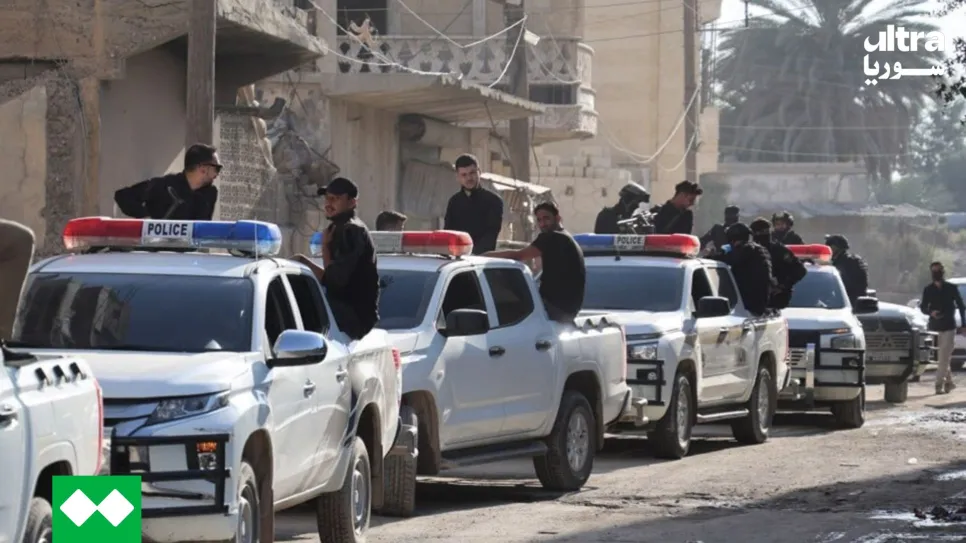
Local observers monitoring the militia equipment circulating in Suweida report that the available footage displays only standard M16 rifles and light machine guns. These accounts indicate that the hardware lacks the advanced, strategic weaponry suggested in recent claims. The visual evidence provided by these observers serves as the primary point of contention against the circulating reports of high-tech military supply lines. No evidence currently supports the presence of sophisticated military systems within the militia inventory, as the observed gear remains limited to conventional small arms.
Lebanese politician Wiam Wahhab alleged that thousands of fighters and 250 officers were engaged in training exercises within Suweida. He stated that these individuals were working toward the formation of a local defense ministry. These claims remain unverified by independent sources, and the reported scope of the organizational effort has not been independently confirmed. The assertion by Wiam Wahhab regarding the creation of a local defense ministry suggests a high degree of internal organization, yet the lack of external verification keeps these details in the realm of speculation. The training exercises mentioned by the Lebanese politician are described as being extensive, involving both a large number of fighters and a specific contingent of officers, yet these figures have not been corroborated by any neutral parties or official bodies operating within Suweida.
Regional violence has previously impacted the area. Clashes in July 2025 in the western countryside of Suweida resulted in nearly 1,700 deaths. These events represent the scale of prior instability in the region, though their connection to current militia activities remains a subject of debate among regional observers. The high casualty count from the July 2025 violence continues to influence the local perception of security and the necessity for militia presence. While the current reports focus on the activities of Hikmat al-Hijri and his National Guard, the memory of the conflict in the western countryside remains a critical factor for those analyzing the stability of Suweida. The discourse surrounding the potential for a new defense ministry and the alleged involvement of foreign intelligence assets on Tal Qlayb must be viewed through the lens of this recent, significant loss of life. As of now, the gap between the claims of advanced military support and the reality of the equipment observed on the ground remains wide, and the reports of structural military changes, such as the formation of a ministry, lack the necessary documentation to be considered definitive.