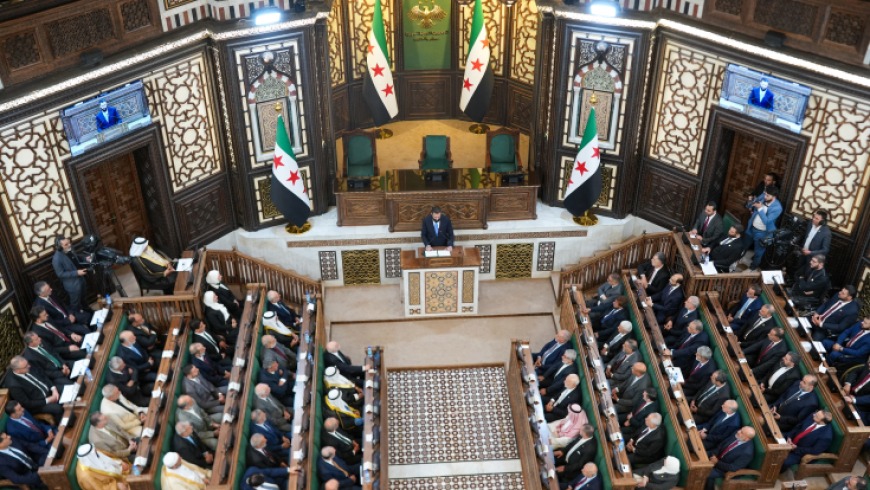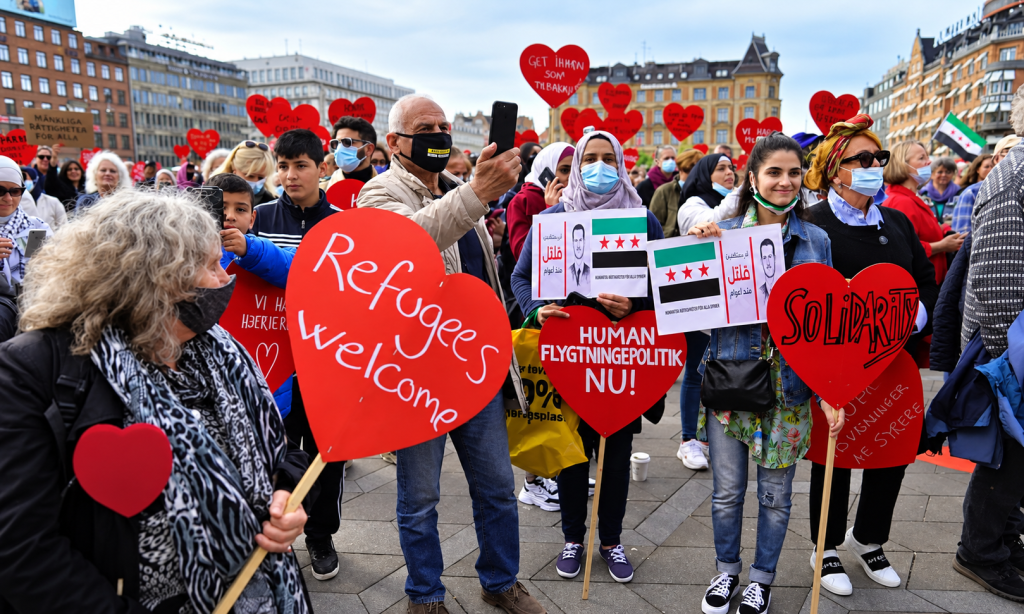
Denmark's policy shift toward a "zero asylum" model began in 2019 and intensified through 2023. Prime Minister Mette Frederiksen oversaw the implementation of these measures as the government sought to reduce the number of residence permits granted to individuals arriving from conflict zones. Officials focused on re-evaluating the safety status of regions within Syria, including Latakia and Damascus, to facilitate the return of refugees. These administrative changes altered the long-term prospects for thousands of people living in Denmark. The state-led strategy aimed to maintain a restrictive migration environment, affecting individuals from cities such as Raqqa, Tafas, and Al-Haffah. Authorities maintained these standards throughout the four-year period, effectively limiting the legal pathways for protection seekers residing in the country.
Life Inside Departure Centers
Kærshovedgård Departure Centre functions as an isolation facility for rejected asylum seekers and individuals currently under the status of "tolerated stay." Located on the grounds of a former prison, the site serves as a primary location for the government to house those who have exhausted their legal avenues for residency but cannot be returned to their home countries.
Hassan Askar, a Syrian refugee, spent six months residing at the Kærshovedgård Departure Centre. Reflecting on the conditions experienced within the facility, Askar stated, "For someone who has experienced the bitterness of refuge, the greatest shock does not always lie in a sudden rejection notice. It lies in the slow, systematic attrition caused by endless waiting."
Ahmad Qatleesh also spent time at the facility, residing there for a period of two years. Qatleesh described the uncertainty inherent in the residence requirements for those held at the center, noting, "A convicted criminal knows their release date. We do not."
These conditions have created significant anxiety among the population living within the broader Danish asylum system. Anas Sahyoun, a Syrian refugee, expressed concerns regarding the future of his status in the country, asking, "Will I be allowed to stay here, or will the years I built be erased by a dry administrative decision?"
Beyond the operation of facilities like Kærshovedgård, Denmark has advocated for relocating asylum processing outside of EU borders to offshore return centers. This policy position remains a central component of the government's broader strategy to manage migration flows and reduce the number of individuals seeking long-term protection within the country. Officials continue to pursue this model as part of a shift in administrative standards for those arriving from conflict zones.