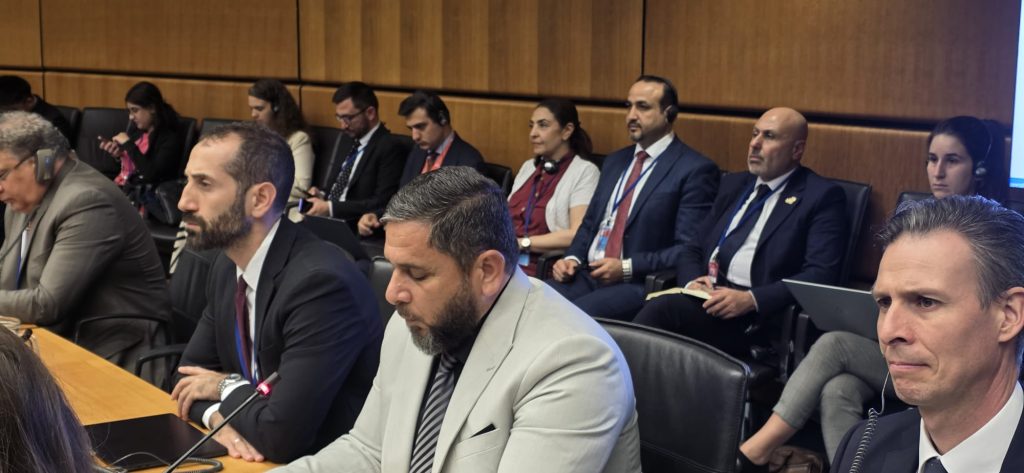
The Board of Governors of the International Atomic Energy Agency (IAEA) has unanimously voted to remove Syria's long-standing "non-compliance" item from its agenda. This decision, reached by the IAEA, concludes more than a decade of institutional deadlock regarding Syria's nuclear program. For over ten years, this designation had significantly constrained Syria's engagement with international nuclear bodies and its access to peaceful nuclear applications. The move signifies a significant shift in the agency's oversight of Damascus, opening new avenues for cooperation and development.
Syria's Compliance Efforts
Syrian authorities provided full technical access and logistical support for verification activities, enabling the International Atomic Energy Agency (IAEA) to conduct its necessary work. This full cooperation was key in allowing the IAEA to account for all identified nuclear materials under Syria’s Full Safeguards Agreement. The successful resolution of the non-compliance designation was the result of an intensive 18-month national and diplomatic effort by Syria. This prolonged engagement ensured that the agency could verify the status of nuclear materials within the country with confidence. The collaborative approach helped address long-standing concerns regarding Syria's adherence to international nuclear safeguards, ultimately leading to the unanimous decision by the Board of Governors. The careful process involved detailed inspections and transparent communication, demonstrating Syria's commitment to fulfilling its international obligations.
Restored Rights and Opportunities
With the lifting of the non-compliance designation, Syria regains full access to peaceful nuclear technologies. These technologies are applicable across various sectors, including radiation medicine, agriculture, water management, and scientific research. This development opens avenues for Syria to utilize nuclear science for civilian applications and national development, contributing to public health, food security, and environmental sustainability. The ability to access advanced nuclear techniques will allow Syria to enhance its capabilities in areas vital for socio-economic progress.
The decision also restores Syria's eligibility for several international programs. This includes access to research grants, technical training initiatives, and knowledge-exchange programs facilitated by international bodies. These opportunities will allow Syrian scientists and researchers to participate in global collaborations and enhance their expertise in nuclear science and its peaceful applications. By rejoining the international nuclear community without restrictions, Syria can benefit from shared knowledge and technological advancements, fostering scientific growth and innovation within the country. This re-engagement is expected to accelerate Syria's capacity building in various scientific and technical fields.
Syrian Official's Reaction
Damascus completed all required technical and legal steps under its safeguards obligations, according to a Syrian official. The official stated that this full effort ensured Syria's full adherence to international standards regarding its nuclear program. With the non-compliance designation now lifted by the International Atomic Energy Agency, Syria regains its full rights within the international nuclear framework. This development allows Syria to participate actively in global nuclear cooperation and benefit from peaceful nuclear applications, much like any other state in full compliance with its safeguards agreements. The Syrian Atomic Energy Commission (SAEC) can now fully engage in international programs without the previous restrictions, facilitating access to technology, training, and scientific exchange. The official emphasized that the resolution reflects Syria's commitment to its international obligations and its desire to utilize nuclear science for national development, showing the importance of this decision for the nation's future. The lifting of the designation marks a new chapter for Syria's peaceful nuclear program, fostering greater transparency and international trust.