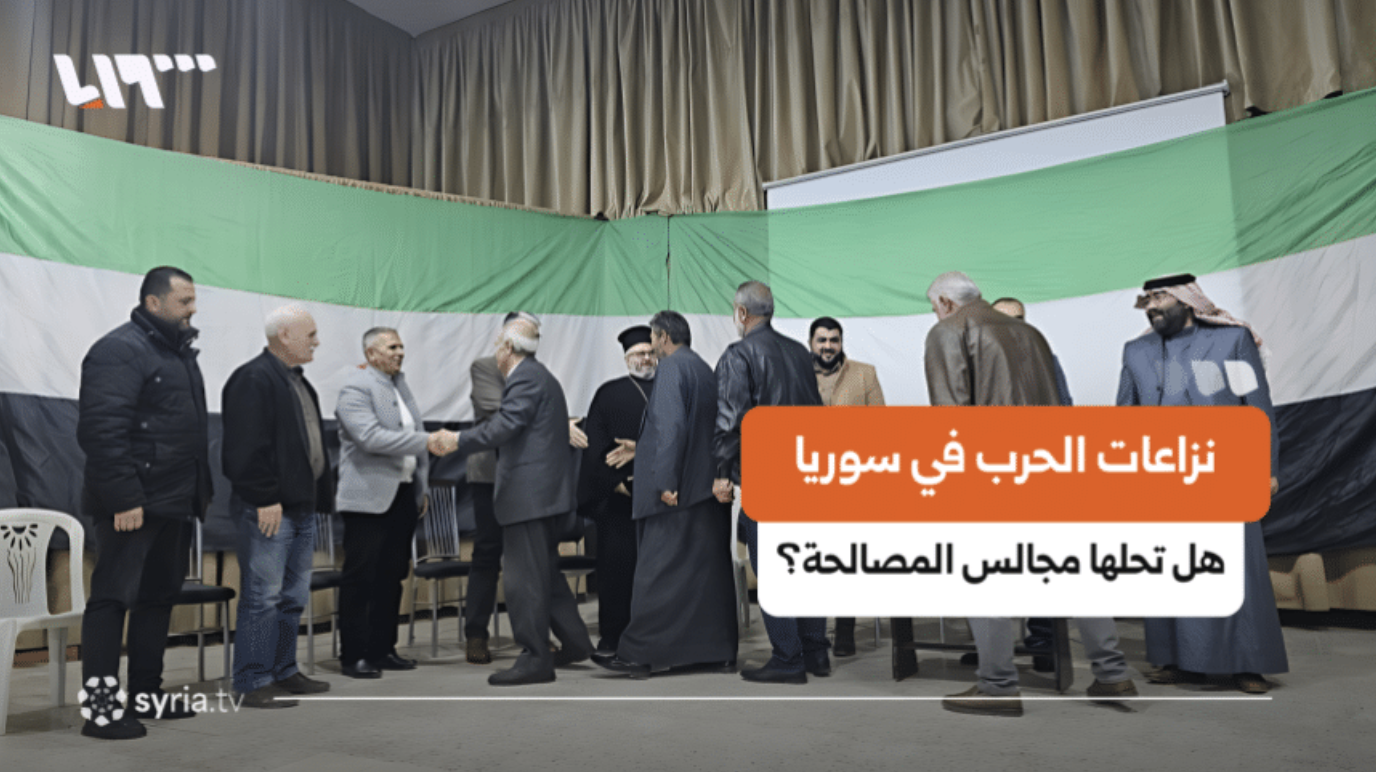
More than 7,000 volunteers currently participate in reconciliation councils and committees across Syria. These individuals operate in various provinces to facilitate local agreements and mediation efforts. The network of councils functions as a decentralized mechanism intended to address community-level disputes. Volunteers manage coordination tasks and communication between different local groups to maintain stability in their respective areas. Efforts by these participants aim to support the ongoing reconciliation process throughout the country. Regional committees remain active in overseeing the implementation of these local arrangements. The total number of volunteers reflects the scale of current engagement in these initiatives across Syrian territories. These volunteers serve as the primary point of contact for citizens seeking to resolve interpersonal or community-based conflicts without resorting to formal state litigation. By providing a platform for dialogue, the volunteers ensure that local grievances are addressed in a manner that preserves social cohesion. The decentralized nature of these councils allows for flexibility in how different provinces approach the mediation process, tailoring their methods to the specific needs of their local populations.
Idlib Council Operational Model
The General Reconciliation Council in Idlib serves as the only council where staff receive government salaries. Authorities established the body in 2019 to address the high volume of displaced people and a heavy court caseload. This operational model prioritizes speed to resolve the backlog of disputes reported in the area. Most cases handled by the General Reconciliation Council are completed within three days. Officials note that the maximum duration for any case handled by the council is one month. These procedures aim to streamline mediation efforts for residents compared to traditional judicial processes. The council continues to process active files under this specific timeframe. By focusing on rapid resolution, the council reduces the pressure on the formal legal system in Idlib, allowing for a more efficient handling of civil matters. The government-salaried staff are tasked with maintaining rigorous documentation of every agreement reached, ensuring that all parties adhere to the terms settled during the mediation sessions.
Raqqa Council Case Management
Raqqa reconciliation council members have processed 432 cases since the organization’s founding. These local efforts focus on resolving community disputes through mediation rather than formal litigation. The council operates by bringing conflicting parties together in a neutral environment to negotiate mutually acceptable outcomes.
Parties involved in these proceedings failed to reach a settlement in 16 of the 432 cases. The council referred these specific files to the judiciary for further action once mediation attempts proved unsuccessful. This referral process ensures that if local mediation cannot provide a remedy, the dispute is escalated to the appropriate legal authority. The 16 cases represent a small fraction of the total volume, demonstrating the effectiveness of the mediation model in Raqqa.
The National Commission for Transitional Justice began operations in 2025 to address a separate category of legal concerns. This body handles cases specifically involving war crimes and enforced disappearance. The establishment of this commission marks a specialized approach to justice, distinct from the community-level mediation councils. By separating these serious legal matters from the general reconciliation efforts, the government aims to provide a dedicated framework for addressing the complexities of war crimes and enforced disappearance cases. The National Commission for Transitional Justice operates with a specific mandate, focusing its resources on the investigation and resolution of these significant legal issues as it begins its work in 2025.