A fire at the Kobani (Ain al-Arab) prison resulted in the deaths of nine inmates and injuries to seventeen others, occurring amid heightened security tensions across the city. The tragic incident prompted a swift response from local authorities. Following the incident, the Internal Security Command in Aleppo launched an independent investigation into the circumstances surrounding the blaze. A key meeting was subsequently held at the city’s Internal Security Command center, where officials discussed the escalating situation and decided on the formation of a specialized committee to address the situation comprehensively.
Elham Ahmed, a key figure in the Autonomous Administration, stated that "The committee will examine the circumstances surrounding the prison fire and stressed the need for strict preventive measures to avert similar incidents." The committee's mandate is specifically to examine the circumstances surrounding the deadly prison fire and ensure that all factors contributing to the tragedy are thoroughly investigated.
Escalating Tensions and Unrest
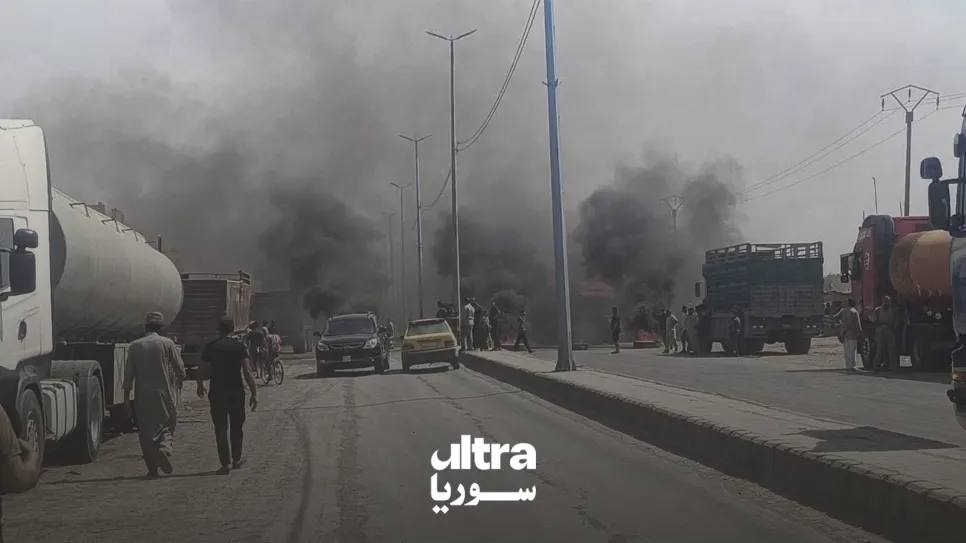
The prison fire occurred against a backdrop of significant security tensions in Kobani (Ain al-Arab), which had escalated following the killing of a member of the Syrian Ministry of Defense. Protests erupted across the city after the death of Siban Hazni, a Ministry of Defense member. The unrest began specifically on Friday, following a demonstration protesting Hazni's death. During these demonstrations, security personnel tasked with securing the rally encountered stone-throwing and gunfire from participants. The situation quickly deteriorated, leading to injuries among law enforcement. Several officers sustained injuries during the ensuing protests, and authorities arrested multiple participants in connection with the unrest. These developments unfold against a backdrop of lingering security friction in Kobani following Hazni's death, noting a period of instability in the region.
Prison Fire and Inmate Objections
Tensions within the Kobani (Ain al-Arab) prison itself escalated significantly shortly before the fire, following reports of a planned transfer of inmates to facilities in Aleppo. Inmates voiced strong objections to this transfer order, expressing their discontent shortly before the fire erupted. This unrest occurred as administrative control of the Kobani prison had not formally transitioned to state institutions, leaving its management status ambiguous during a period of heightened sensitivity. The combination of inmate objections and the unresolved administrative status of the facility contributed to the volatile environment leading up to the fire.
Official Response and Mourning
Elham Ahmed, Co-Chair of the Department of External Relations in the Autonomous Administration, attended the critical meeting where the investigative committee was formed. She was joined by Ali Hannoura, Deputy Governor of Aleppo, and Majd al-Din al-Sheikh, Director of Security in Kobani, showing the high-level attention given to the incident. Syrian presidential adviser Mazloum Abdi visited wounded survivors at a local hospital, offering support and expressing condolences. In response to the tragedy, a two-day period of mourning was officially declared across the city. As a mark of respect for the victims, local markets and workplaces closed in mourning, creating a somber atmosphere. Funeral ceremonies for the deceased were held Monday at the Shuhada Dicle shrine, allowing the community to grieve collectively. Ahmed offered heartfelt condolences to the victims’ families and wished a swift recovery to the wounded, emphasizing the community's shared grief. She urged residents to participate in funeral processions with a sense of collective responsibility and solidarity. Kobani entered a period of cautious calm in the aftermath of these events, with internal security patrols maintaining a visible presence throughout the city to ensure order and stability.
Calls for Accountability
In the wake of the deadly prison fire and the preceding unrest, there have been widespread calls for a transparent investigation and accountability from various segments of the community. Citizens and local groups have demanded clarity regarding the events that led to the deaths and injuries. The Syrian Observer stated that it has not independently verified the content of this story, noting the sensitivity and developing nature of the situation.