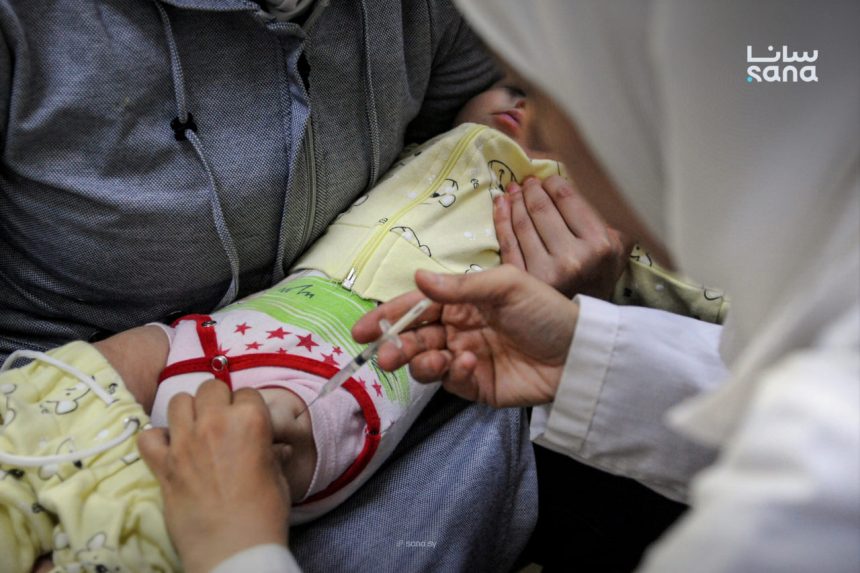
Syria's vaccination coverage surpassed 81% in 2025, marking a significant milestone in public health efforts. This impressive figure shows the dedication to safeguarding the health of the nation's youngest citizens. The achievement reflects ongoing campaigns to expand access to essential health services for children across the country, demonstrating a strong commitment to preventative care. This coverage rate indicates a broad reach for immunization programs, aiming to protect a large segment of the pediatric population against preventable diseases. The initiative has focused on ensuring widespread availability of vaccines in various regions, from bustling urban centers to remote and often hard-to-reach communities. The full nature of the program has been critical in achieving such extensive coverage, noting the strategic planning and operational execution involved.
Program Milestones and Reach
The vaccination program in Syria targeted over 3.2 million children under five years old, a testament to the scale of the public health endeavor. An expanded national vaccination program began in 1978, laying the groundwork for decades of public health success. Since its inception, this long-running program has achieved remarkable feats, including the eradication of polio and neonatal tetanus within the country, showcasing its profound impact on public health. Beyond these specific achievements, the program has also significantly contributed to reducing the spread of various infectious diseases, including measles, thereby improving overall community health and resilience. This year's campaigns specifically boosted routine vaccination efforts in the eastern governorates, channeling resources and attention to areas that may have previously faced particular challenges in vaccine access.
In these eastern governorates, over 750,000 children under five years old were reached through the dedicated vaccination initiatives, demonstrating a focused approach to regional health disparities. The intensive efforts in these areas resulted in coverage exceeding 87% of the targeted population, a particularly high success rate that notes the effectiveness of localized strategies. The broader program also aimed to vaccinate approximately 699,000 children under one year old, ensuring that even the youngest and most vulnerable demographic received critical immunizations early in life. Overall, the vaccination coverage for 2025 was recorded between 80% and 85%, providing a precise range for the national achievement. This range offers a clear picture of the program's overall performance and its consistent ability to reach a vast majority of the target population.
Operational Details and Scope
The Ministry of Health implemented intensive national campaigns to reach children in various regions, with a particular focus on remote and needy villages and communities. These campaigns were designed to overcome geographical barriers and ensure equitable access to life-saving vaccines. These efforts were supported by a full operational structure, meticulously planned and executed to maximize reach and efficiency. In 2025, a significant deployment of 274 mobile teams was undertaken, conducting over 40,000 vaccination sessions across the country. These mobile units were instrumental in reaching populations in areas without permanent health facilities, bringing services directly to communities.
Additionally, 78 external sites provided vaccination services through more than 1,500 sessions, acting as temporary or supplementary points of care to augment the efforts of fixed health centers. The primary infrastructure included 1,094 health centers, which conducted over 49,000 fixed sessions, forming the backbone of the national immunization network. These centers were strategically distributed across 107 distinct health regions, aiming to ensure broad and consistent access to immunization services for the entire population. The combination of mobile teams, external sites, and fixed health centers facilitated extensive reach for the vaccination program, creating a multi-pronged approach that adapted to the diverse geographical and demographic landscape of Syria. This layered strategy was key for achieving high coverage rates and ensuring that no child was left behind due to logistical constraints. The sheer number of sessions and the diverse operational modalities show the extensive organizational effort behind the 2025 vaccination drive.
Challenges and Future Plans
The vaccination program in Syria continues to encounter several challenges, which necessitate ongoing adaptation and strategic planning. A significant hurdle includes difficulties in accurately determining population numbers due to continuous population movement, making precise targeting and resource allocation complex. The return of displaced persons and refugees further contributes to this complexity, as these populations often require immediate health services and their numbers can fluctuate rapidly. Additionally, the program faces a persistent shortage of trained staff, which can strain operational capabilities and impact service quality. Weak operational capabilities, including infrastructure limitations, also present obstacles to efficient vaccine delivery. An unstable electricity supply poses a critical threat, as it affects the cold chain, which is key for vaccine storage and efficacy. Maintaining vaccines at optimal temperatures is critical to their effectiveness, and power outages can compromise entire batches.
To address some of these pressing issues, the Ministry of Health is actively expanding the use of solar energy in cooling rooms and health centers. This initiative aims to bolster the reliability of the cold chain and mitigate the impact of electricity instability on vaccine storage, ensuring that vaccines remain viable and potent. This sustainable energy solution is a vital step towards enhancing the resilience of the immunization infrastructure.
Future plans for the program focus on several key areas, demonstrating a forward-looking approach to public health. These include improving service quality across all vaccination points and expanding access to various communities, particularly those in remote areas that remain underserved. The Ministry intends to standardize vaccination schedules, aligning them with best practices to optimize immunization efficacy and simplify public understanding. Building the capacity of health cadres is another critical objective, ensuring that healthcare professionals are well-trained and equipped according to the latest international recommendations. An electronic registration and tracking system for beneficiaries will be implemented to enhance efficiency, improve record-keeping, and allow for more precise monitoring of vaccination status. The program also seeks to enhance integration with other health initiatives to further increase access to distant communities, leveraging existing health networks to create a more cohesive and full public health approach. These strategic initiatives are designed to build upon the successes of 2025 and ensure the long-term sustainability and effectiveness of Syria's vaccination efforts.