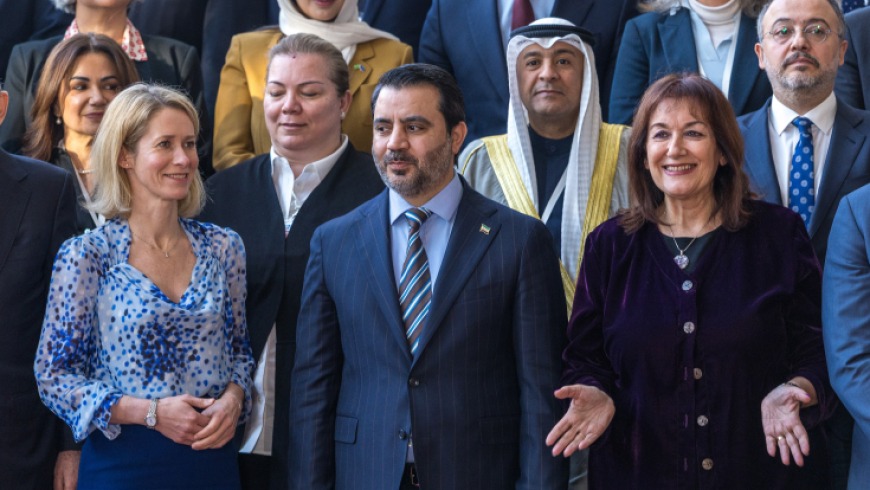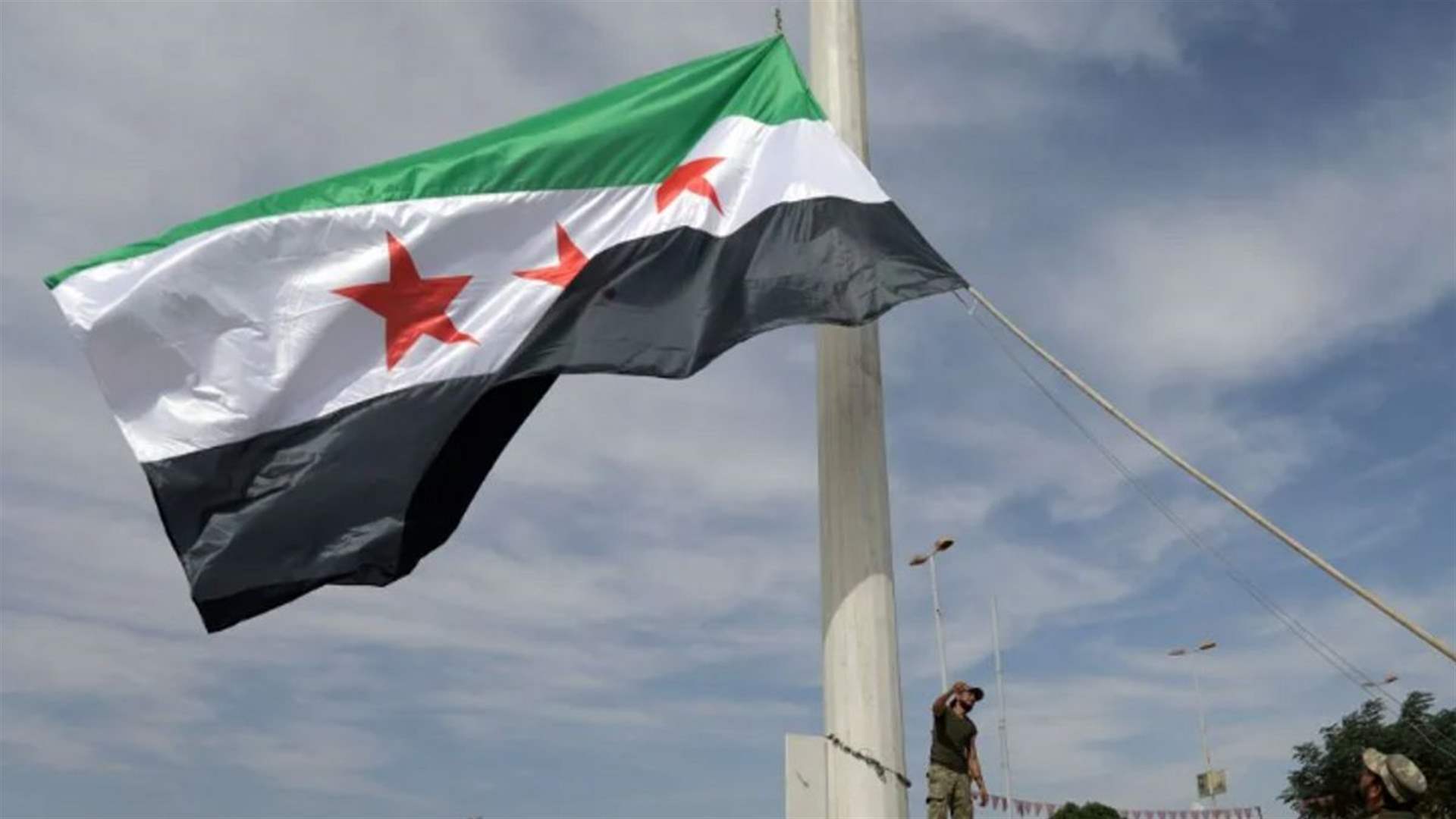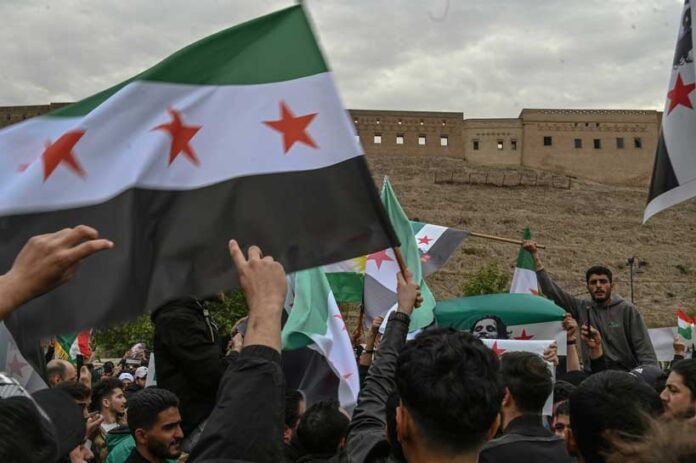
Syria is scheduled to participate in a closed-door session with finance ministers and central bank governors from the Group of Seven (G7) in Paris. These discussions are anticipated to center on Syria’s economic recovery and its reintegration into the global financial system. Syria’s involvement indicates a shift in how leading economies are approaching post-conflict reconstruction and regional stabilization efforts. The engagement marks a significant moment, as it brings a nation long isolated by conflict and sanctions into direct dialogue with some of the world's most influential financial powers. This direct interaction shows a evolving approach to international relations concerning states emerging from prolonged periods of instability.
Economic Recovery Focus
After years of conflict and international sanctions, Syria’s economy remains severely damaged, characterized by limited access to international banking and investment streams. Its engagement with G7 finance officials points to an increasing interest in exploring pathways for economic normalization. This interest stems from a recognition that long-term stability in the region is intrinsically linked to Syria's economic viability. However, significant barriers continue to impede Syria's recovery efforts. These challenges include weak infrastructure, a scarcity of foreign investment, and persistent uncertainty surrounding financial compliance frameworks. The extensive damage to critical infrastructure, from transportation networks to energy grids, presents a formidable hurdle to any meaningful economic revival. The lack of clarity regarding international financial regulations and legal frameworks makes potential investors hesitant.
Banks and private investors also maintain a cautious stance regarding re-engagement. Their hesitation stems from high regulatory risk and the inherent complexity of reconnecting Syria to established global payment and trade systems. The stringent international compliance requirements, particularly those related to anti-money laundering (AML) and counter-terrorist financing (CTF), pose significant challenges for financial institutions considering operations in Syria. The process of rebuilding trust and establishing transparent financial mechanisms will be painstaking and protracted. Without a clear and consistent regulatory environment, the flow of capital necessary for reconstruction and economic growth will remain severely restricted. This cautious approach by the global financial sector notes the deep-seated challenges that must be addressed before any substantial economic reintegration can occur.
Broader Global Context
The inclusion of Syria in some of the G7 finance discussions reflects broader efforts by advanced economies to address instability in regions affected by conflict. This strategic engagement acknowledges that economic fragility in post-conflict zones can perpetuate cycles of instability, impacting global security and economic flows. The agenda for these talks notes a growing focus on linking economic policy with security and reconstruction planning in post-conflict states. This integrated approach recognizes that sustainable peace cannot be achieved without addressing the underlying economic conditions that often fuel conflict. It represents a departure from purely humanitarian or security-focused interventions, emphasizing the critical role of economic development in long-term stabilization.
This development also reflects a broader trend in global economic governance, where conflict recovery and financial system integration are becoming central to major economies’ strategic policy discussions. The G7 nations, as key players in global finance and development, are increasingly recognizing their responsibility to facilitate pathways for economic rehabilitation in conflict-affected regions. G7 members are scheduled to assess potential pathways for reconstruction support and financial system access for Syria. This assessment is intended to inform upcoming leadership-level summits. The discussions will likely cover various mechanisms, including potential debt relief, humanitarian aid coordination, and frameworks for attracting foreign direct investment, all while navigating the complex geopolitical landscape. The G7's involvement signifies a high-level commitment to exploring practical solutions for Syria's economic future.
Pathways to Normalization
Syria's participation in G7 financial discussions represents an early stage of economic re-engagement, rather than an immediate move towards full normalization. This initial dialogue is key for establishing channels of communication and understanding the scope of the challenges and opportunities. Actual financial reintegration for Syria will depend on sustained political stability within the country, the establishment of clearer regulatory frameworks, and a gradual rebuilding of trust with global financial institutions. Without a strong and enduring political settlement, long-term economic commitments from international partners will remain elusive. The development of transparent and internationally compliant financial regulations is critical to attracting legitimate investment and enabling cross-border transactions.
The process is complex, requiring both internal reforms and external confidence-building measures to attract international investment and banking services. Internally, Syria must demonstrate a commitment to governance reforms, anti-corruption efforts, and the protection of property rights. Externally, international financial institutions and governments will need to see concrete evidence of progress on these fronts before fully committing to reintegration. Syria is expected to continue engaging in various international economic forums as a key component of its broader reintegration strategy. These engagements are seen as key steps in navigating the country's return to the global economic system, following years of isolation and conflict. The ongoing dialogue aims to lay groundwork for future cooperation and potential investment, contingent on progress in these critical areas. This sustained engagement is vital for Syria to gradually overcome its economic isolation and rebuild its connections with the international community.