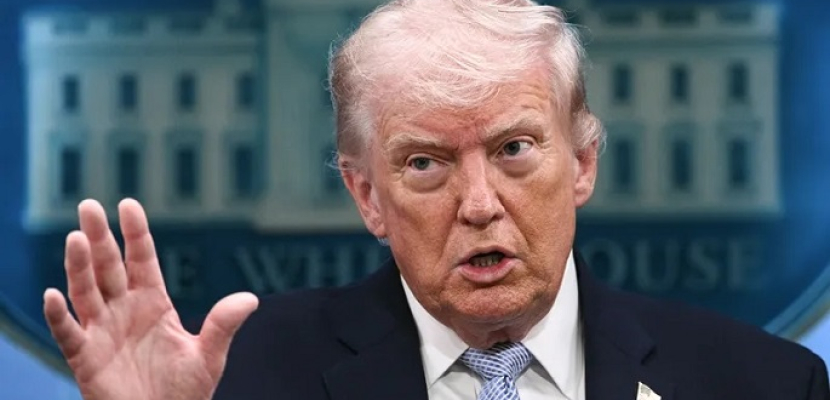
U.S. President Donald Trump on Thursday threatened to withdraw American forces stationed in Italy and Spain. Trump also stated on Wednesday that Washington was "studying and reviewing the possible reduction" of U.S. Troops in Germany. He indicated a decision on Germany would be made within a "short period of time," hours after the White House announced a serious review to reduce the U.S. Military presence there. This threat marks a significant development in the U.S. Administration's foreign policy approach, particularly concerning its European allies.
Reasons for Withdrawal Threats
President Donald Trump criticized Italy and Spain for reportedly refusing to allow the use of military bases on their territories for launching strikes against Iranian targets. The threat of troop withdrawal is viewed as a new escalation against European allies who have opposed U.S.-Israeli military operations targeting Iran. Trump specifically stated that Italy "has not provided any assistance" regarding these efforts, a direct accusation noting his administration's frustration. He described Spain as having been "very bad" in the context of the situation, indicating a strong disapproval of their stance. The President's remarks show a growing tension between Washington and some of its long-standing European partners over strategic military cooperation.
Earlier this month, Trump told the Italian daily Corriere della Sera that Italian Prime Minister Giorgia Meloni lacks "courage" concerning Iran, further emphasizing his dissatisfaction with Italy's position. This public rebuke of a key European leader signals the depth of the U.S. Administration's concerns. Additionally, Trump accused German Chancellor Friedrich Merz of failing to support U.S. Efforts to secure the Strait of Hormuz. These criticisms come as the U.S. Administration considers adjustments to its military posture in Europe, a move that could have broad implications for transatlantic security. Trump previously stated that the United States was "studying and reviewing the possible reduction" of U.S. Troops in Germany, indicating a decision would be made within a "short period of time," reflecting a full re-evaluation of military commitments in the region. The President's statements suggest a clear linkage between allied cooperation on U.S. Strategic objectives and the continued presence of American forces.
Broader European Pressure
The U.S. Leader has been bitterly critical of NATO allies, alleging a lack of assistance with the U.S.-Israeli operation against Iran and with maintaining the Strait of Hormuz open for oil tanker traffic. The Strait of Hormuz has remained closed to international navigation since the war broke out in February, a situation that has prompted significant international concern over global energy supplies. Trump's criticism extends beyond specific military operations, encompassing broader issues of strategic alignment and burden-sharing within the alliance. He has consistently pressed allies to contribute more to collective security efforts.
Last week, a report indicated that the United States was considering suspending Spain from NATO due to its refusal to support military operations targeting Iran. Such a move, if pursued, would represent an unprecedented step in the alliance's history and would signify a severe rupture in diplomatic relations. Trump has also lambasted Madrid for failing to increase defense spending, a long-standing point of contention between the U.S. And several European NATO members. These pressures extend beyond Italy and Spain, reflecting a broader administration policy to demand greater alignment and financial contributions from European partners. The President's consistent messaging suggests that the future of U.S. Military presence and cooperation is increasingly conditional on allies' adherence to Washington's strategic priorities.
President Trump previously stated that the United States was "studying and reviewing the possible reduction" of U.S. Troops in Germany, indicating that a decision would be made within a "short period of time." This broader review of U.S. Military presence in Europe shows the administration's demands for allies to align with its strategic priorities, particularly concerning Iran and regional security. The administration's stance suggests a re-evaluation of its military commitments based on perceived cooperation from European partners. The ongoing discussions about troop levels in Germany, coupled with the explicit threats against Italy and Spain, highlight a period of significant uncertainty for the future of U.S. Military engagement in Europe. This strategic shift could reshape the security landscape of the continent and impact the operational capabilities of NATO.
Military Presence and Future
As of December 31, 2025, a total of 12,662 active-duty U.S. Troops were stationed in Italy. The presence of these forces has been a long-standing component of the U.S. Strategic posture in Europe, playing a key role in regional stability and international security operations. These troops are vital for various missions, including training exercises, logistical support, and rapid deployment capabilities. The potential withdrawal of such a significant number of personnel would undoubtedly impact Italy's defense capabilities and the broader European security architecture. Recent statements by U.S. President Donald Trump, however, indicate a potential shift in this arrangement. President Trump has threatened to withdraw American forces from Italy, alongside Spain, citing their reported refusal to allow the use of military bases for operations against Iranian targets. This direct linkage between military presence and foreign policy alignment marks a departure from traditional U.S. Diplomatic approaches.
The potential reduction of U.S. Troops in Italy is part of a broader re-evaluation of American military presence in Europe. The administration has also been reviewing the possible reduction of U.S. Troops in Germany, with a decision expected within a "short period of time." These threats show Washington's demands for European allies to align with its strategic priorities, particularly concerning its stance on Iran. The future of the U.S. Military footprint in these countries appears to be contingent on their cooperation with U.S. Foreign policy objectives. The implications of these potential withdrawals extend beyond military readiness, affecting economic ties, intelligence sharing, and diplomatic influence. European leaders are now faced with the challenge of navigating these demands while balancing their own national interests and regional security concerns. The unfolding situation notes a period of significant re-calibration in transatlantic relations, with the U.S. Administration signaling a more transactional approach to its alliances.