Commissioners Monia Ammar and Fionnuala Ní Aoláin recently concluded a visit to the Syrian Arab Republic, traveling in the country from July 1 to July 7. The visit by the two commissioners, who are part of the UN Syria Inquiry Commission, included stops in Homs and Quneitra. This latest trip follows earlier investigative missions conducted by the commission within Syria. Previous missions covered several key locations, including Damascus, Rural Damascus, Aleppo, Raqqa, and Hassakeh. The commissioners' ongoing efforts aim to gather information relevant to their mandate, which focuses on documenting human rights violations and abuses in Syria. These investigative tours form a key part of the commission's work in monitoring the situation on the ground across various regions of the country.
Accountability and Legal Reforms
The Commission noted progress in drafting a transitional justice law and the start of trials related to human rights and international humanitarian law violations committed during the Assad era. The Commission called for urgent clarity and revision of Syria’s criminal code to bring it into line with relevant international standards. It stressed, however, that such proceedings must respect the principle of legality and fair trial guarantees. The Commission noted the designation of special court chambers for transitional justice proceedings, as well as announced legal procedures concerning the violence in Suwayda in July 2025. The Commissioners said accountability must reach all levels of responsibility, including for the Suwayda violence and the coastal violence of March 2025. They stressed that all parties to the conflict must be subject to accountability, truth and justice, warning that a narrow or selective process would undermine public trust and violate international legal standards.
The Commission urged wider consultations with victims’ associations and civil society before the transitional justice law is submitted to the People’s Assembly. It said broader public ownership of the process was essential after decades of impunity. In Homs, the Commissioners called for intercommunal dialogue and voiced concern over apparent acts of vigilantism against alleged former members of the previous government. Such incidents, they said, have deepened insecurity among residents. The Commission reminded the authorities that all killings must be investigated promptly, effectively and impartially.
Regarding the January 2026 hostilities in Aleppo and other parts of the north and northeast, the Commission called on all parties to help identify remains and allow families to collect them. The Commission said its investigations are continuing and that it had shared preliminary recommendations with Syrian authorities on accountability, fair trial rights, transitional justice, arbitrary detention, hate speech, incitement and access to education. The Commission welcomed expanded freedom of speech and greater media freedom, but warned that efforts to counter hate speech must be balanced carefully with the protection of fundamental freedoms.
Detainee Rights and Missing Persons
Families continue to report being unable to trace the fate and whereabouts of people taken into government custody, according to the Commission. The Commission also expressed concern over the prolonged detention without apparent judicial review of thousands of detainees, including individuals suspected of crimes under the previous government. "At the same time, it said families still report being unable to trace the fate and whereabouts of people taken into government custody," the Commission stated. It also expressed concern over the transfer of detainees to Iraq, including an unknown number of vulnerable children, and called on the Syrian government to establish the fate and whereabouts of approximately 3,500 Syrian nationals reportedly transferred there.
The Commission voiced grave concern over the legality of detention for men, women, and children across the north and northeast, including facilities still under the de facto control of the Syrian Democratic Forces (SDF). "It also voiced grave concern over the legality of detention of men, women and children across the north and northeast, including facilities still under the de facto control of the SDF," the Commission noted. It specifically singled out Roj camp, where more than 60 percent of detainees are reportedly children, and called for the release of all arbitrarily detained individuals. Member states were urged to accelerate the repatriation of their nationals from Aq Burhan and Roj camps.
Deep concern was also expressed by the Commission regarding detention conditions for children, particularly boys held in Roj and Al Sina camps. "The Commission also expressed deep concern over detention conditions for children, particularly boys held in Roj and Al Sina," it reported. While acknowledging improved conditions in some formal detention facilities and closed camps under government control, the Commission stated there had been insufficient progress in ensuring that people are detained lawfully and treated humanely across the country. "While noting improved conditions in some formal detention facilities and closed camps under government control, the Commission said there had been insufficient progress in ensuring that people are detained lawfully and treated humanely across the country," the Commission added.
In Hassakeh, the Commission noted that more than 1,000 fighters captured during the January 2026 escalation had been released. It called on the government to clarify the fate and whereabouts of around 800 others who remain unaccounted for. The Commission regretted being unable to visit some facilities it had requested in advance, particularly in Raqqa and Hassakeh. "The Commission said it would continue engaging with both the Syrian government and the SDF to secure access in the future," it affirmed.
Property, Displacement, and Education
The Commissioners met communities affected by the destruction and seizure of property during the conflict, with Commissioners expressing solidarity with the victims and their families. The Commission warned that large real estate projects must respect the rights of original inhabitants and provide fair compensation and support when people cannot return to their homes. The Independent International Commission of Inquiry on Syria, established by the UN Human Rights Council in August 2011, also noted the particular difficulties faced by women-headed households and women seeking to reclaim property rights. The Commission noted government efforts to facilitate the return of internally displaced persons, while urging stronger measures to ensure that returns are voluntary, safe, dignified, and sustainable, and that property rights are fully respected.
In Afrin, the Commission observed security improvements and the gradual restoration of state institutions. The Commission welcomed steps to harmonise curricula across Syria and recognise qualifications issued in areas previously or currently controlled by non-state actors. It also welcomed interim measures allowing children without legal identity documents to attend school and access health services. However, the Commission expressed concern over the continuing impasse preventing students in parts of Suwayda from sitting final exams. The Commission also noted that some families remain too concerned about security to send their children to school or university. The Commission called on all parties to facilitate access to exams and address security fears that obstruct education.
International and Regional Concerns
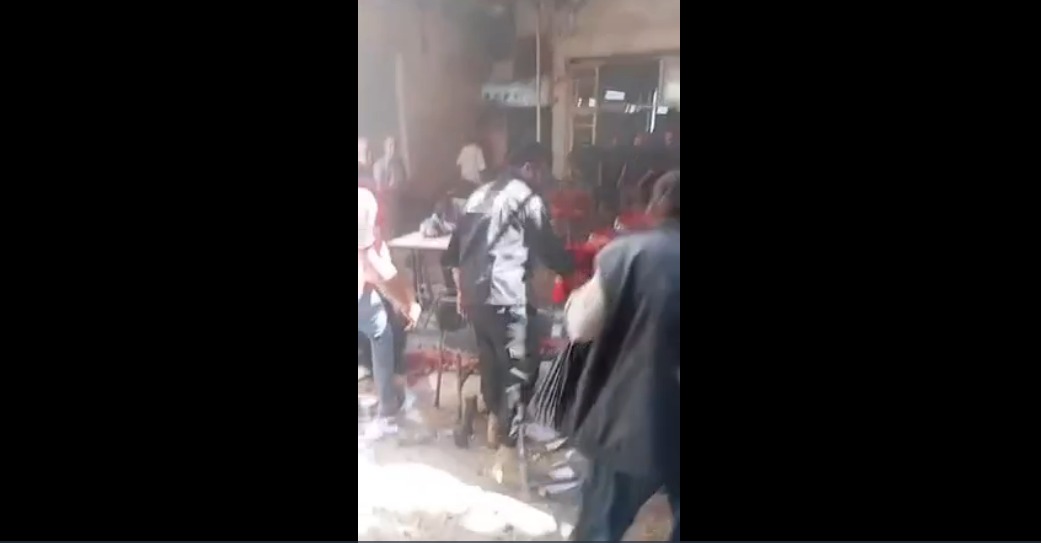
The Commissioners condemned two likely improvised explosive device attacks in Damascus that killed and injured civilians, expressing solidarity with the victims and their families. In Quneitra, the Commission investigated reported Israeli violations of human rights and humanitarian law on Syrian territory. The Commission urged Israel to restore access to roads and farmland, allow farmers to tend crops and orchards, and release all arbitrarily detained civilians. The Commission's mandate was most recently extended for another year in April 2026.