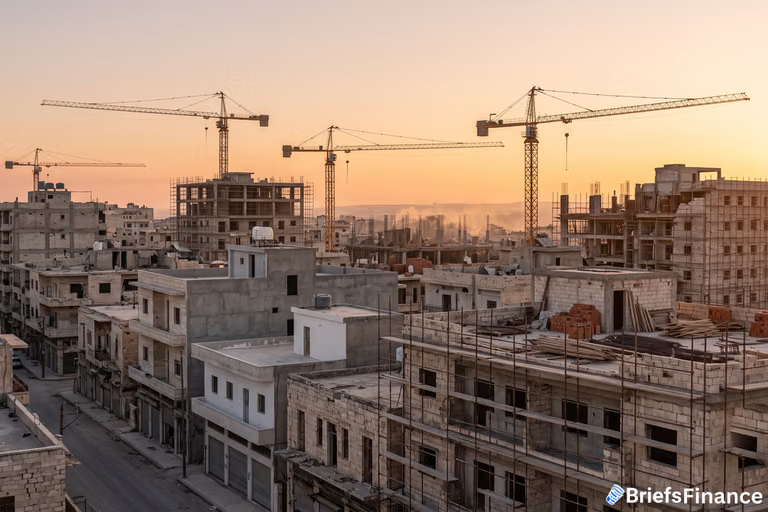
Abu Dhabi Commercial Bank, Qatar National Bank, and JPMorgan Chase are arranging a significant $7 billion loan earmarked for Syria's extensive reconstruction efforts. The substantial funds are specifically designated for rebuilding critical power infrastructure and a key airport within the country, aiming to revitalize essential services and connectivity. This financial initiative comes as Syria recently concluded a protracted conflict that spanned from 2011 to 2024, a period marked by widespread devastation and profound societal upheaval. The resolution of this lengthy conflict saw rebel forces successfully topple Bashar al-Assad, ushering in a new phase for the nation that now focuses on rebuilding.
Loan Terms and Structure
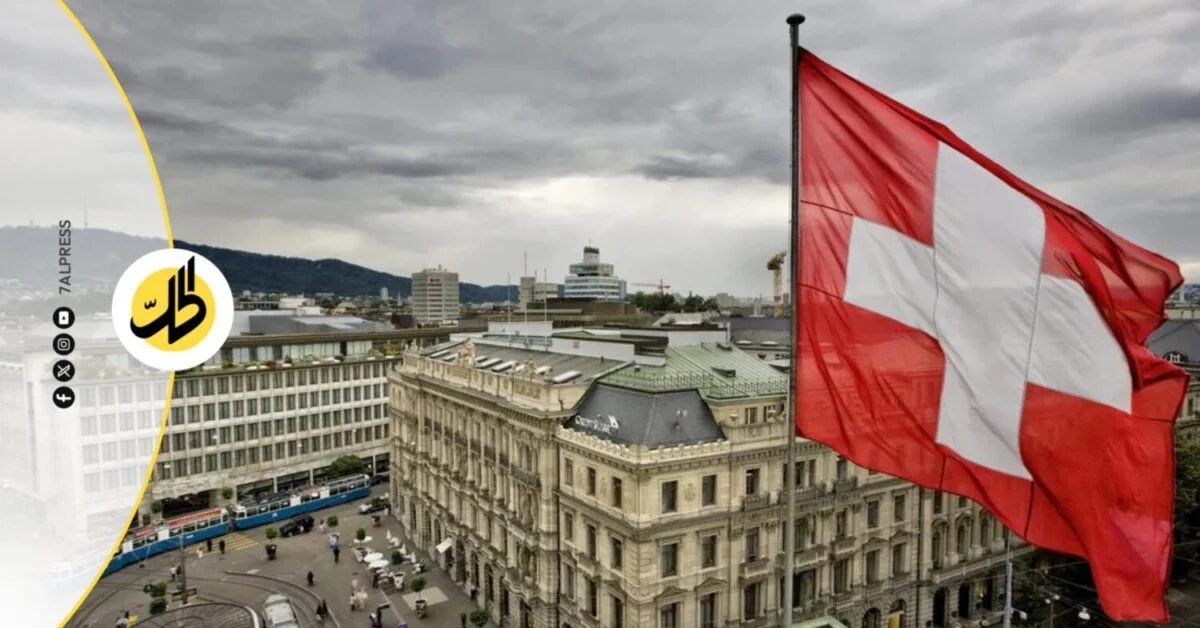
The $7 billion loan, a cornerstone of the post-conflict recovery, has been structured with a five-year term, providing a defined period for the allocation and utilization of funds for various reconstruction initiatives. The financing package carries a total cost of approximately 370 basis points over SOFR, the Secured Overnight Financing Rate, reflecting the market conditions and risk assessment associated with such a large-scale international financing endeavor in a post-conflict environment. This full cost structure is meticulously broken down: it comprises a 250-basis-point margin on the loan, which is the primary interest component for the lenders. Additionally, 120 basis points in fees are included in the overall cost structure, covering various administrative, arrangement, and risk-related charges associated with facilitating a loan of this magnitude. A key element of financial backing for these ambitious reconstruction efforts is provided by Qatar National Bank (QNB), which is guaranteeing the entire loan. This guarantee from QNB shows the confidence and commitment of key regional financial institutions in Syria’s path to recovery and plays a vital role in securing the necessary capital for the projects.
Power International Holding's Role in Reconstruction
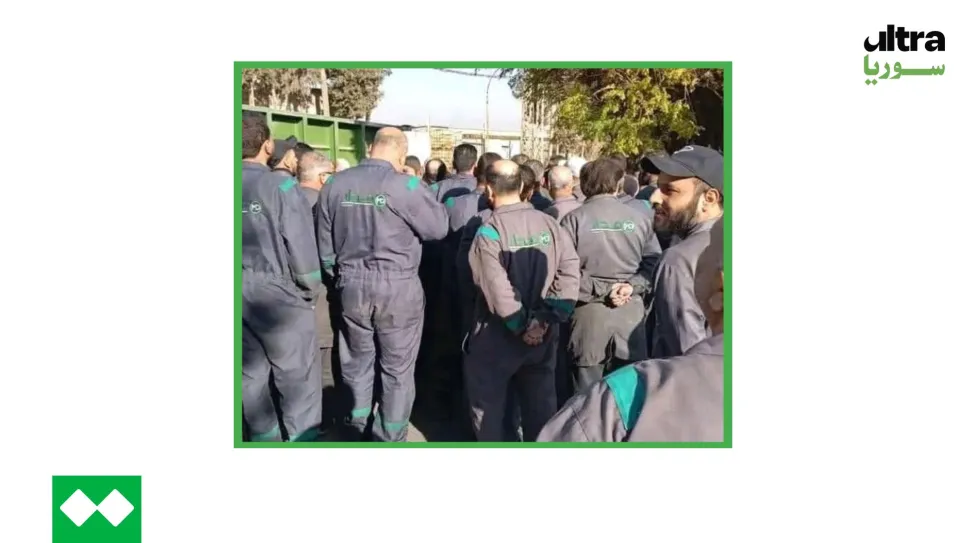
Power International Holding, a prominent Qatari conglomerate, is at the forefront of these reconstruction efforts. The conglomerate is controlled by the Syrian-born Al-Khayyat family, establishing a direct and significant link between the family's business interests and the future of Syria's infrastructure. The company is spearheading the rebuilding initiatives in Syria through its dedicated construction arm, UCC Holding. UCC Holding, as Power International Holding's primary construction arm, has already secured significant contracts within Syria, positioning it as a central player in the country's physical rehabilitation. These agreements specifically cover the critical tasks of rebuilding the country's airports, which are vital for economic and social connectivity, and its power infrastructure, essential for restoring basic services and industrial activity. The conglomerate's deep involvement notes a direct and substantial link between Qatari business interests, particularly those of the Al-Khayyat family, and the large-scale Syrian reconstruction projects, ensuring a focused and coordinated approach to the complex rebuilding process.
UCC Holding's extensive contracts are central to the overall reconstruction plan, forming the operational backbone of the infrastructure revival. The firm has already secured definitive agreements to rebuild Syria's power infrastructure, a critical component for restoring essential services, supporting economic activity, and improving the daily lives of its citizens. The restoration of reliable power is often considered a foundational step in any post-conflict recovery. Additionally, UCC Holding has obtained key contracts for the reconstruction of multiple airports in Syria. These airport projects are key for re-establishing international and domestic travel, facilitating trade, and reintegrating Syria into the global community. This dual focus on power and air travel infrastructure aligns precisely with the broader goals of the $7 billion loan, which is specifically designated for these two vital sectors. The Al-Khayyat family's company, Power International Holding, is therefore strategically positioned as a key implementer of the large-scale development initiatives funded by the international loan. Its extensive portfolio of secured contracts across these critical sectors shows its central and indispensable role in the physical rebuilding process following the recent conflict, demonstrating a full approach to revitalizing the nation's foundational systems. UCC Holding's secured major contracts in Syria extend beyond airports and power infrastructure to also cover the energy sector, indicating an even broader scope of involvement in the country's essential utilities and resources.
Syria's Post-Conflict Landscape
The recent conflict, which lasted over a decade, severely damaged Syria's economy, leaving behind a landscape of destroyed infrastructure, disrupted industries, and immense human cost. In a significant development that paved the way for the current financial arrangements and broader international engagement, the U.S. Government lifted many of its economic sanctions against Syria. This move by the U.S. Government opened the door for this substantial deal, signaling a shift in the international community's approach to Syria's recovery. Despite this partial lifting of sanctions, some restrictions on certain banking transactions, particularly those involving specific entities or individuals, regrettably remain in place, posing ongoing challenges for full economic reintegration. Nevertheless, the easing of broader restrictions has encouraged a cautious but growing influx of international investment into the country. For example, Kuwait's Zain, a major telecommunications provider, is set to invest over $1.5 billion after successfully securing a license to operate a mobile telephone network in Syria. This investment is key for re-establishing modern communication infrastructure, which is vital for both economic recovery and social cohesion. Additionally, Saudi Arabia has committed its own investments to Syria, signaling a broader regional engagement in the country's recovery efforts. These combined efforts by international lenders and regional investors are now strategically targeting key sectors to facilitate both immediate reconstruction and long-term economic revival, aiming to address the substantial economic damage inflicted during the conflict, which saw significant destruction of infrastructure and widespread disruption of commercial activity across the nation.
Significance and Future Outlook
The $7 billion loan stands as a monumental commitment, specifically designated for Power International Holding's construction projects in Syria. This targeted allocation ensures that the funds are channeled directly into the critical infrastructure initiatives being undertaken by UCC Holding. A spokesperson for Power International Holding stated that the loan represents "one of the biggest foreign financing commitments to Syria since the conflict ended," showing its unparalleled scale and importance in the nation's recovery trajectory. This substantial financial commitment marks a significant turning point for Syria, a country that has largely been cut off from international finance since the war began in 2011, making the current influx of capital a key step towards normalization. The involvement of major international banks, including the globally recognized JPMorgan Chase, signals a growing confidence in the country's reconstruction prospects and its gradual reintegration into global financial systems. This participation by prominent financial institutions suggests a more stable and predictable environment for investment, despite the lingering complexities of the post-conflict era. The funds from this loan will primarily support the rebuilding of key infrastructure, such as power networks and airports, aligning directly with the broader efforts to stabilize and revitalize the Syrian economy. The long-term implications of this loan are profound, as the successful reconstruction of these foundational elements is expected to create jobs, attract further investment, and improve the quality of life for millions of Syrians. The strategic focus on power and transportation infrastructure is designed to lay the groundwork for sustainable economic growth and to help Syria rebuild its essential services and connectivity, paving the way for a more hopeful future.