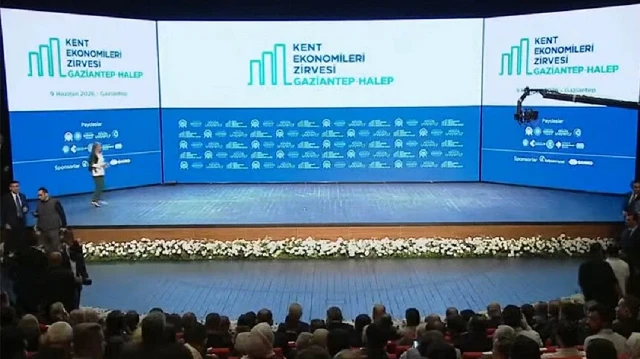
The Anadolu City Economies Summit Gaziantep-Aleppo kicked off in Türkiye’s Gaziantep province, marking a significant step towards economic revitalization in the region. The summit, which officially began in Gaziantep, focused intently on the revival of key trade, logistics, and production ties between Türkiye and Syria. This full event aimed to contribute substantially to Syria’s reconstruction efforts, which are vital for the country's recovery and stability, and to promote deeper regional economic integration across various sectors. The coordination of this important event was meticulously handled by the Gaziantep Governor’s Office, showing the official commitment to its objectives. The summit was hosted by the Gaziantep Metropolitan Municipality, which played a key role in providing the necessary infrastructure and support for the proceedings, fostering an environment conducive to productive discussions and agreements.
Summit Proceedings and Participants
Key figures from both nations convened to deliberate on future collaborations. Turkish Trade Minister Omer Bolat and Syrian Economy Minister Mohammad Nidal al-Shaar engaged in extensive discussions, exploring a wide array of opportunities for cooperation during the Anadolu City Economies Summit. The summit commenced with a series of opening speeches that set the tone for the discussions. These addresses were delivered by prominent officials including Gaziantep Governor Kemal Ceber, Gaziantep Metropolitan Mayor Fatma Sahin, Aleppo Deputy Governor Mahmut Sahade, and Anadolu CEO Serdar Karagoz, each emphasizing the importance of the summit's goals. A primary focus of the summit was the ambitious development of a large-scale intermediate production ecosystem, strategically planned for the border region between Türkiye and Syria. This initiative is envisioned to create numerous related investment opportunities, attracting capital and fostering industrial growth in the area. The discussions delved into the specifics of how this ecosystem could be established and sustained, benefiting both economies.
The summit featured a key session titled “New Horizons in Trade for Türkiye and Syria,” which was expertly moderated by Anadolu Economy and Finance News Department Director Serhat Akkan. This session brought together Turkish Trade Minister Omer Bolat and Syrian Minister of Economy and Industry Mohammad Nidal al-Shaar as key speakers, where they addressed potential advancements and strategies for enhancing bilateral trade. Their insights provided a roadmap for increasing economic interaction and identifying new avenues for commerce. Noting the diplomatic importance of the event, Türkiye’s Ambassador to Damascus Nuh Yilmaz attended a special session that was specifically dedicated to the revival of trade, logistics, and production ties between the two nations, demonstrating the high-level commitment to these objectives. Beyond this, the summit encompassed other equally vital sessions, including "Opportunities and Possibilities in the New Era," which explored emerging sectors and innovative approaches to economic growth. Another significant session, "A New Era in Production, Export, and Customs," focused on streamlining processes and policies to facilitate smoother trade and production activities, further exploring avenues for economic collaboration and growth. These sessions provided platforms for detailed discussions and strategic planning, covering a broad spectrum of economic endeavors.
Reviving Syria's Economy and Trade
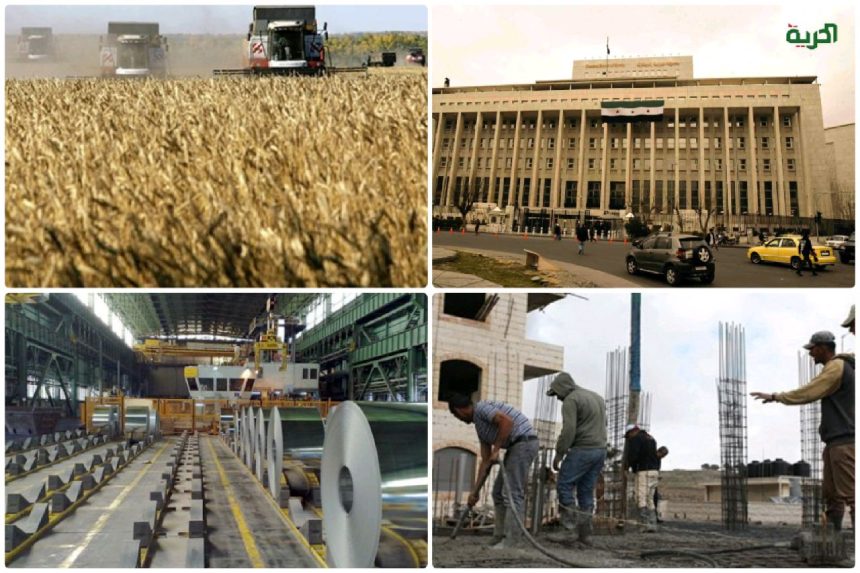
The overarching goal of the Anadolu City Economies Summit was to establish a sustainable, high-value-added structure for trade between Türkiye and Syria. This structure is designed to not only increase the volume of trade but also to enhance its quality and long-term viability, ensuring mutual benefits for both countries. Rebuilding strong economic ties with Syria is strategically important for Türkiye's economic recovery, particularly as Türkiye navigates complex regional dynamics and faces pressure from the Iran war and potential disruptions like a Hormuz closure. The economic partnership is seen as a key element in regional stability and prosperity. Syrian Economy Minister Mohammad Nidal al-Shaar showed the deep-rooted connection between the two nations, describing Türkiye as Syria's "natural partner" in economic endeavors, a sentiment that notes the historical and geographical advantages of their cooperation. To facilitate this economic resurgence, Syria is actively in the process of reopening thousands of factories, a move that is expected to significantly boost its industrial output and employment. Concurrently, the Syrian government has begun drafting new trade laws, which are designed to create a more favorable and predictable environment for both domestic and international economic activity, thereby attracting investment and fostering growth.
In a forward-looking announcement, Turkish Trade Minister Ömer Bolat articulated ambitious plans to significantly boost bilateral trade with Syria. The stated objective is to achieve a remarkable trade volume of $10 billion by the early 2030s, reflecting a strong commitment to deepening economic ties. To support this ambitious objective and facilitate increased cross-border commerce, plans include the opening of new customs crossings between Türkiye and Syria. These new crossings are expected to streamline logistics, reduce transit times, and enhance the overall efficiency of trade operations, making it easier for goods and services to move between the two countries. These initiatives are expected to play a key role in revitalizing economic ties and contributing substantially to Syria's reconstruction efforts, providing both immediate relief and long-term development opportunities. The strategic expansion of trade infrastructure is central to achieving the ambitious bilateral trade targets and fostering sustained economic recovery.
Regional Trade Corridors and Future Outlook
The Anadolu City Economies Summit received key support from prominent entities, with Kalyon Construction and SANKO Holding contributing significantly to its success. Their involvement showed the private sector's recognition of the summit's importance and its focus on regional economic integration. A significant element of the summit’s discussions revolved around the strategic importance of regional trade corridors, which are vital for maintaining economic lifelines in a dynamic geopolitical environment. The Türkiye-Syria-Jordan-Saudi Arabia transit corridor has emerged as a key artery for regional trade, particularly since the closure of the Strait of Hormuz, which disrupted traditional shipping routes. This corridor provides an indispensable alternative route for goods and commerce, effectively mitigating potential disruptions to supply chains in the broader Middle East and ensuring the continued flow of essential goods. The Türkiye-Syria-Jordan-Saudi Arabia transit corridor has operated successfully since mid-April, demonstrating its viability and effectiveness in maintaining trade flows during a period of heightened regional instability. Its continued operation is seen as vital for supporting economic activity and fostering stronger commercial ties among the participating nations, offering a reliable pathway for goods. The corridor's reliability shows its critical role in the future outlook for regional commerce, offering a stable pathway for goods even amidst geopolitical challenges. These developments are viewed as instrumental in the broader efforts to revive and strengthen trade relationships between Türkiye and Syria, aligning perfectly with the summit's core objectives of fostering economic recovery and integration. The long-term vision includes not only bolstering existing trade routes but also exploring new synergies that can further enhance the economic resilience of the entire region.