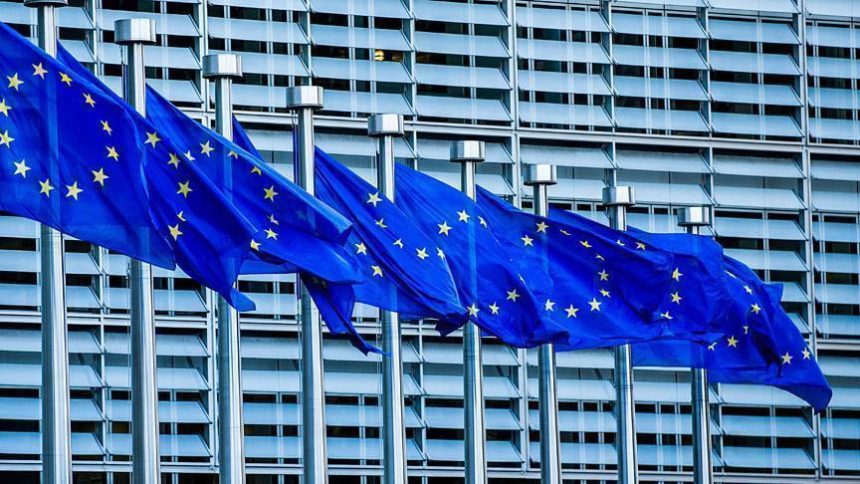
The European Commission announced on Thursday its plan to offer a series of short-term treasury bills through a public auction. This event, where the European Union institution will issue debt, is scheduled to take place on May 6. The Commission intends for these securities to raise funds for its various programs, supporting a wide range of initiatives across the European Union. This strategic move shows the Commission's ongoing efforts to manage its financial resources effectively and ensure the continued funding of its critical operations. The issuance of treasury bills is a standard mechanism employed by sovereign and supranational entities to meet their short-term liquidity needs.
Auction Details and Maturities
The European Commission's treasury bill issuances will be distributed over three distinct phases. This structured approach is designed to provide flexibility and cater to various investor preferences while managing the EU's funding requirements. The first phase involves an issuance scheduled to mature on August 7, 2026. Following this, a second issuance will reach its maturity date on November 6, 2026. The final phase of the auction details a third issuance, which is set to mature on May 7, 2027. These staggered maturities allow the European Union institution to manage its short-term funding needs across different timeframes, providing a balanced repayment schedule. The structured approach to these issuances plays a role in the Commission's broader strategy for raising capital to support its various programs and initiatives, ensuring a steady flow of funds for ongoing and future projects. Each phase represents a distinct opportunity for investors to participate in financing the EU's endeavors, with varying durations to suit different investment strategies.
Market Access and Purpose
The European Union is taking this step to secure the necessary liquidity for financing its economic programs and projects through global financial markets. This effort is key for maintaining the operational capacity and financial stability of the EU's ambitious agenda. Access to the auction is restricted to specific financial entities, ensuring a controlled and efficient process. Participation in the auction is limited to members of the network of authorized primary dealers of the European Union. These dealers serve as key intermediaries, facilitating the distribution of EU debt instruments to a broader investor base, including institutional investors and large financial institutions. This structured approach helps the European Commission manage its funding requirements effectively while maintaining a controlled and efficient market for its securities. By engaging with these established financial partners, the Commission aims to ensure competitive pricing and broad market reach for its treasury bills. The reliance on primary dealers also contributes to the transparency and integrity of the auction process.
Financing the EU's Ambitions
The European Commission anticipates raising approximately 4 billion euros through its upcoming treasury bill auction. This financial operation is designed to secure funding for the European Union's ambitious programs and initiatives. The estimated total value of the planned issuances, approximately 4 billion euros, reflects the significant financial requirements for the EU's commitments. The funds generated from these issuances will support various projects critical to the EU's strategic objectives, ranging from economic recovery efforts to long-term development plans, including those related to climate action, digital transformation, and social cohesion. By tapping into global financial markets, the Commission aims to ensure the continued financial stability and operational capacity of its key policies. The 4 billion euro target shows the scale of the EU's funding requirements for its ongoing commitments and future investments, noting the importance of strong financial planning. This move aligns with the Commission's broader strategy to diversify its funding sources and maintain a strong financial framework, ensuring it can respond effectively to the diverse needs of its member states and citizens.