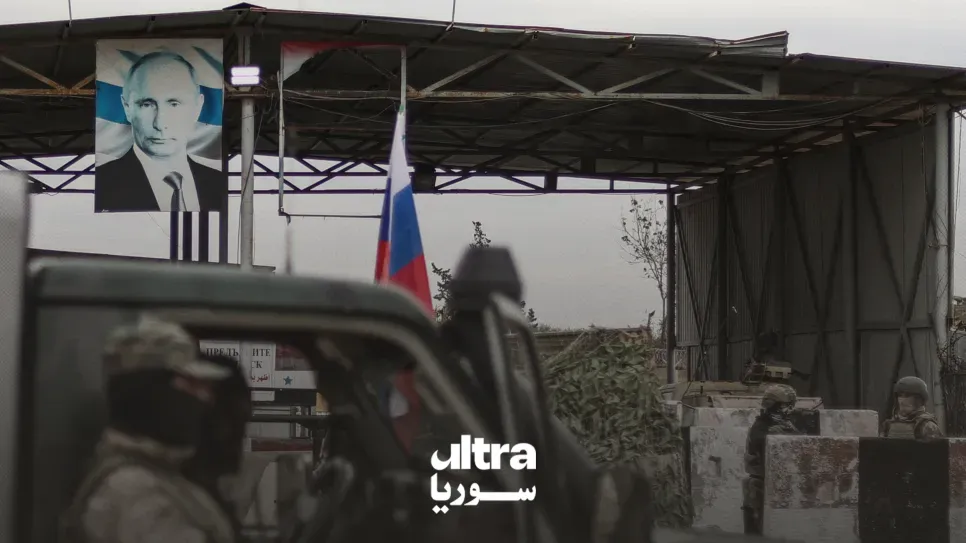
Russia is engaged in active discussions with the Syrian government regarding the future configuration of its military presence in the country, with talks focusing on a significant “restructuring” of its deployment. These ongoing deliberations highlight Moscow's strategic re-evaluation of its long-term assets in the Middle East. Russian Foreign Ministry Spokesperson Maria Zakharova stated on Wednesday that these discussions are part of ongoing consultations with the new Syrian administration, emphasizing the continuous diplomatic engagement between the two nations. Ms. Zakharova added that bilateral cooperation between Moscow and Damascus is "developing very actively," signaling a strong and dynamic relationship. She further clarified that all discussions concerning the future of Russian installations are conducted within mutually agreed-upon frameworks, showing the collaborative and consensual nature of these high-level talks. This commitment to established protocols ensures that any adjustments to Russia’s military footprint are made with the full understanding and consent of the Syrian government. The focus on restructuring indicates a potential shift in the operational modalities or scope of Russia's military activities within Syria, reflecting broader geopolitical considerations and the evolving security landscape in the region.
External Report on Footprint
A report published by the Wall Street Journal indicated the Kremlin's intention to maintain its strategic military footprint in Syria, despite the collapse of the Bashar al-Assad regime in late 2024. This report suggests a steadfast commitment from Moscow to its established positions, even amidst significant internal political shifts within Syria. According to the publication, this signifies Russia's unwavering commitment to its long-term presence in the region, projecting stability and continued influence. The preservation of this strategic military footprint is seen as key for Russia’s broader foreign policy objectives and its role as a key player in Middle Eastern affairs. Diplomatic sources suggested that the ongoing talks between Russia and the new Syrian administration reflect Moscow's efforts to recalibrate its long-term assets to align with the political realities of post-war Syria. This recalibration is not merely about maintaining existing structures but adapting them to the new governmental landscape and strategic needs. This adjustment process is understood to be a key component of Russia's strategy for its military installations in the country, ensuring their continued relevance and effectiveness under the new administration. The discussions aim to ensure that Russia's military posture remains aligned with the evolving political and security environment in Syria, thereby securing its strategic interests for the foreseeable future.
Logistical Resupply Details
According to U.S. Officials cited by the Wall Street Journal, the Russian cargo vessel Sparta departed St. Petersburg in March and subsequently docked at the Port of Tartus in May. This logistical operation notes the continued operational support for Russia's military presence in Syria. The Sparta delivered logistical supplies specifically intended to resupply Hmeimim Airbase, a critical hub for Russian operations. The Wall Street Journal reported this as the first documented Russian military resupply mission to Syria since the political transition in Damascus eighteen months prior, indicating a renewed phase of support following a period of political change. This resupply mission shows the ongoing commitment to maintaining the operational readiness of Russian forces in the country.
The Port of Tartus holds particular significance as Russia’s sole naval repair and resupply hub in the Mediterranean region. Its strategic location provides Russia with essential logistical capabilities and a vital warm-water port for its naval forces, reinforcing its maritime presence in the Eastern Mediterranean. Hmeimim Airbase, located in Syria, serves as a central logistics platform for Russian military operations in the country, facilitating air support, reconnaissance, and troop movements. It is an essential launch point for Moscow’s expanding engagements across Africa, demonstrating its broader strategic importance beyond Syria itself. The airbase’s role as a projection platform for Russian influence across a wider geographic area shows its critical value. The successful resupply operation shows the continued importance of these facilities to Russia's strategic posture, ensuring their sustained functionality and enabling Russia to project power and maintain influence in the region and beyond. These logistics efforts are integral to Russia's ability to sustain its military operations and strategic objectives in the long term.
Diplomatic Reassurance Goals
The ongoing discussions between Russia and the Syrian government are intended to reassure Damascus regarding the nature of Russia's future military presence in the country. This diplomatic objective is key for fostering trust and ensuring continued cooperation between the two allies. These talks aim to ensure that any prospective Russian deployment will align with Syrian sovereignty and the strategic priorities of the new Syrian administration, addressing any potential concerns about foreign military presence. The emphasis on consistency with Syrian national interests is a key component of the dialogue, reinforcing that Russia's actions are in support of, rather than in opposition to, Syria's national goals. This diplomatic objective shows Moscow's intent to maintain a cooperative relationship with Syria's leadership as it recalibrates its military posture, ensuring a mutually beneficial alliance. Such reassurances are vital for solidifying the relationship and navigating the complexities of post-conflict reconstruction and regional security. The discussions seek to establish a clear understanding of roles and responsibilities, ensuring that Russia's military presence is perceived as a stabilizing force that respects Syria's sovereign authority. By aligning its military strategy with the priorities of the new Syrian government, Russia aims to secure its long-term strategic interests while reinforcing its commitment to Syria's stability and independence.