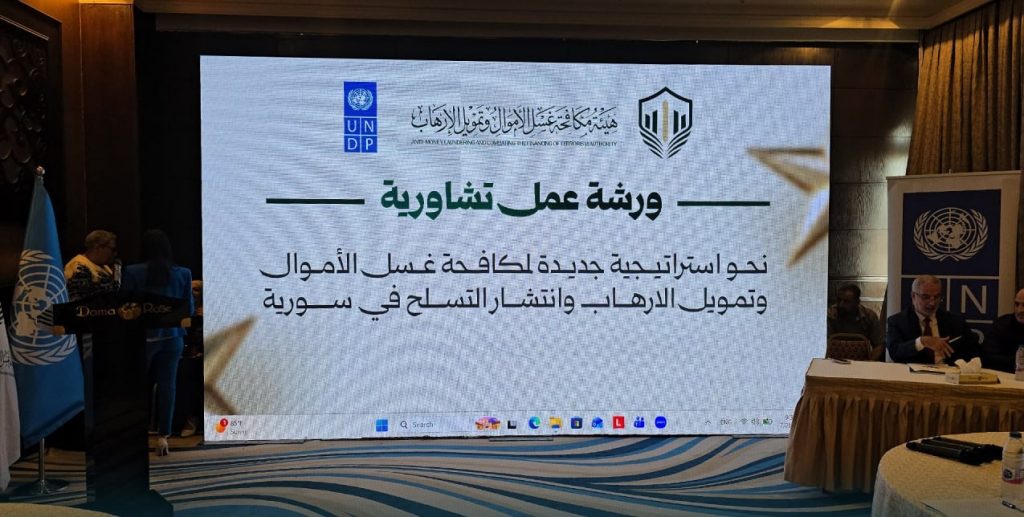
A recent policy brief, based on discussions among Syrian and international experts, warns that Syria's reconstruction efforts risk exacerbating regional inequality, concentrating wealth, and hindering the country's political transition. This critical assessment shows the complex challenges facing the war-torn nation as it contemplates its future. The report, titled “Syria’s Reconstruction: Navigating Political Realities and Opportunities,” was produced by the Syria Policy Dialogues initiative, a collaborative platform designed to foster informed discussion on the country's recovery. It followed a two-day workshop held in Damascus on May 16–17, 2026, bringing together a diverse group of stakeholders. The Syria Report, in cooperation with the Omran Center for Strategic Studies, organized the workshop, facilitating a full dialogue on the pressing issues at hand. Participants at the event broadly agreed that Syria currently remains in an overlapping phase of early recovery and initial reconstruction, noting the protracted nature of the crisis and the long road ahead for full rebuilding.
Scale of Destruction and Need
The protracted conflict in Syria has left an indelible mark on the country's infrastructure and economy, resulting in devastating destruction. The conflict ultimately destroyed nearly one-third of the country's pre-war capital stock, a staggering figure that illustrates the immense physical damage sustained. Direct physical damage from the conflict is estimated to be $108 billion, a sum that represents a significant portion of the nation's pre-war assets. Experts conservatively estimate reconstruction costs at $216 billion, though figures could range significantly from $140 billion to $345 billion, depending on the scope and ambition of the rebuilding efforts. These estimates highlight the monumental financial undertaking required to restore the country to its former state.
Beyond the visible destruction, the broader economic consequences have been catastrophic. Total economic losses are estimated at approximately $800 billion, a figure that encompasses not only direct physical damage but also lost output and significant damage to human and institutional capacity. This full assessment reveals the deep and systemic impact of the conflict on Syria's economic fabric. Syria's Gross Domestic Product (GDP) contracted by 53 per cent between 2010 and 2022, reflecting the severe economic impact of the protracted conflict and the widespread disruption to productive activities. This drastic decline in economic output has had profound implications for the livelihoods of ordinary Syrians.
The Syrian pound has experienced a drastic devaluation, losing 99 per cent of its pre-war value, effectively wiping out savings and purchasing power for much of the population. This economic collapse has had a profound effect on the population, with about 90 per cent of Syrians now living below the poverty line, struggling to meet basic needs. The humanitarian situation remains critical across the country, with 16.7 million people currently requiring humanitarian assistance, showing the urgent need for both immediate aid and long-term recovery strategies.
Key Challenges Identified
The path to reconstruction is fraught with numerous obstacles, many of which predate the conflict or have been exacerbated by it. A significant portion of Syria's housing stock, between 30 and 40 per cent, was located in informal or unregulated areas prior to the war. This presents a complex challenge for reconstruction efforts, as legal frameworks for property ownership and land use in these areas are often ambiguous, complicating redevelopment and potentially leading to disputes. The financial infrastructure necessary for large-scale reconstruction is severely compromised. Several public banks within Syria are currently operating under severe financial and operational strain, further complicating the allocation and management of reconstruction funds and hindering access to capital for rebuilding initiatives.
The discussions in Damascus noted the need for strong institutional mechanisms to guide reconstruction efforts effectively. Participants at the Damascus workshop proposed the creation of an independent reconstruction commission. This commission would be endowed with cross-government authority to streamline efforts and ensure effective coordination across various ministries and agencies, thereby overcoming bureaucratic hurdles. The scale of the challenge was showed by one participant who estimated that Syria could struggle to efficiently deploy even $3 billion for reconstruction under the country's present conditions, noting the systemic obstacles related to governance, capacity, and financial systems. This stark assessment emphasizes the urgent need for fundamental reforms before significant reconstruction can commence.
Experts warn that further delays in establishing clear national rules and frameworks for reconstruction could lead to irreversible patterns. These patterns could impact land use, property ownership, and overall economic development in the country, potentially exacerbating existing inequalities and entrenching disparities that would be difficult to undo in the future. Without clear guidelines, there is a risk that reconstruction efforts could inadvertently favor certain groups or regions, further concentrating wealth and undermining broader societal recovery.
Proposed Solutions and Reforms
In response to these formidable challenges, the report outlines a series of critical recommendations aimed at fostering a more equitable and effective reconstruction process. The report advocates for a national reconstruction coordination mechanism, emphasizing the necessity for it to possess authority across various ministries. Such a mechanism would be key for ensuring a unified and coherent approach to rebuilding, preventing fragmentation of efforts and resources. It also urges the development of a full reconstruction plan that clearly outlines both sectoral and geographic priorities for the country's recovery, providing a strategic roadmap for investment and development. This plan would help direct resources to areas of greatest need and potential impact.
Among its recommendations, the report calls for stronger local government structures to facilitate more effective implementation of reconstruction efforts. Empowering local authorities is seen as vital for ensuring that rebuilding initiatives are responsive to community needs and context-specific challenges. Further proposals include significant reforms to existing property and investment laws, aiming to create a more equitable and transparent framework for future development. These reforms are essential for clarifying land tenure, attracting legitimate investment, and protecting vulnerable populations from displacement or exploitation. The document specifically notes the need for protections concerning affordable housing and agricultural land, recognizing their importance for the population's welfare and long-term stability. Ensuring access to affordable housing is critical for returning populations, while protecting agricultural land is vital for food security and rural livelihoods. Additionally, the report recommends measures designed to stabilize Syria's banking sector, which is currently under considerable strain. A stable and functional banking system is a prerequisite for channeling funds, facilitating transactions, and supporting economic recovery.
International Role and Support
The report also addresses the key role of the international community in supporting Syria's reconstruction, while cautioning against approaches that could undermine sustainable recovery. Gulf states have demonstrated increasing interest in sectors such as infrastructure, telecommunications, aviation, logistics, and real estate within Syria, indicating potential avenues for foreign investment and development partnerships. However, the report stresses that international partners are urged to align their assistance with Syria's political transition rather than adhering to donor timetables, emphasizing that long-term political stability is intrinsically linked to effective reconstruction. This alignment would ensure that aid contributes to a durable peace rather than merely temporary fixes.
The report also recommends that international partners expand technical support, providing expertise and capacity building in critical areas such as urban planning, legal reform, and financial management. Addressing banking over-compliance is another key recommendation, as stringent international sanctions regimes have often led to banks avoiding any engagement with Syria, even for humanitarian or legitimate reconstruction purposes, thereby impeding financial flows. International partners are advised to develop investment insurance and risk-mitigation instruments, which would help de-risk legitimate investments and encourage private sector participation in reconstruction. Additionally, international partners are urged to coordinate aid efforts to prevent duplication and geopolitical competition, ensuring that resources are used efficiently and effectively to maximize their impact on the ground. This coordinated approach is essential to avoid fragmented efforts and ensure that international support genuinely contributes to Syria's full recovery.