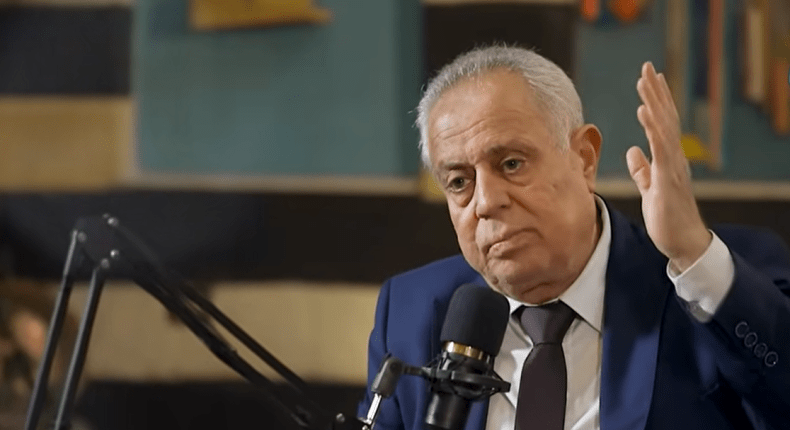
Safwat Raslan, Governor of the Central Bank of Syria, announced a new monetary policy this week aimed at stabilizing the exchange rate. The initiative, coordinated with the Ministry of Finance, seeks to meet the demands of post-war reconstruction and long-term economic development. Raslan stated the Central Bank is actively "updating the laws and regulations governing the banking sector and expanding cooperation with domestic and international financial institutions." These reforms are intended to bolster the country's economic stability and facilitate its recovery efforts. The new policy is a full approach to address the nation's financial challenges and lay the groundwork for sustainable growth.
Policy Goals and Rationale
Safwat Raslan stated that the exchange rate should be viewed as one indicator within a broader economic framework, not the sole measure of monetary policy performance. He emphasized that a holistic approach is necessary for true economic recovery and stability. Syria's banking sector maintains a solid baseline of compliance with international standards, but Raslan affirmed that it urgently requires modernized legislation to adapt to contemporary financial landscapes. The Central Bank of Syria expects the lifting of international sanctions and increased cash inflows to play a critical role in strengthening economic stability. These measures are central to the new monetary policy's objectives, aiming to create an environment conducive to investment and economic growth. The governor showed the importance of these external factors in complementing domestic reform efforts.
Banking Sector Reforms
The Central Bank of Syria is updating laws and regulations governing the banking sector, alongside expanding cooperation with both domestic and international financial institutions. This full initiative aims to strengthen the financial system within the country and ensure its resilience. These reforms are specifically designed to meet the demands of post-war reconstruction and facilitate long-term economic development. The Central Bank is also implementing a series of strategies, encompassing short-, medium-, and long-term objectives. These strategies are designed to modernize the banking sector comprehensively, addressing various aspects from regulatory frameworks to technological advancements. The goal of these measures is to establish a sustainable monetary and economic vision for Syria, supporting the broader economic recovery efforts. These reforms are central to the new monetary policy announced by the Central Bank, reflecting a commitment to building a strong and transparent financial system.
Economic and Diplomatic Activity
Economic and diplomatic activity in Syria has accelerated since the fall of the Assad regime in December 2024. This renewed engagement is seen as key for the country's revitalization. The Syrian-American Business Forum, for instance, recently convened at the Dama Rose Hotel in Damascus. This significant event brought together ministry officials, commercial representatives, and trade delegations from both Syria and the United States, signaling a strong interest in re-establishing economic ties. President Ahmad al-Sharaa has prioritized specific sectors for economic recovery, focusing on opportunities within energy, manufacturing, infrastructure, and services. These sectors have been identified as key drivers for job creation and sustainable growth. The gathering in Damascus notes ongoing efforts to foster international engagement and investment in these key areas, signaling a broader push toward economic revitalization following recent political changes. The forum provided a platform for discussions on potential partnerships and investments, aiming to rebuild the Syrian economy.
Currency Replacement Initiative
Approximately 80 percent of Syria's money supply has been exchanged as part of a recent currency replacement initiative, according to reports from the Central Bank of Syria. This significant undertaking aims to modernize the nation's financial system and support the broader economic recovery efforts following recent reforms. The initiative is a key component of the Central Bank's strategy to stabilize the currency and rebuild confidence in the national economy. This large-scale replacement is expected to streamline financial transactions and enhance the overall efficiency of the monetary system, further contributing to the country's economic stability.