Syria is embarking on what many officials and analysts perceive as its most significant economic opening in over a decade. This development suggests a notable shift in the country's economic posture following years of protracted conflict, widespread destruction, and significant international isolation. The potential for new economic activities and renewed investment comes as observers assess the broader implications for the Syrian state and its population, both in terms of stability and long-term recovery. The current initiatives represent a concerted effort to move beyond the immediate aftermath of conflict and foster a more strong economic environment.
New Investment Opportunities Emerge
Renewed diplomatic engagement and the easing of some international restrictions are creating new opportunities for investment, reconstruction, and the key reintegration into regional markets within Syria. This push aims to revitalize key sectors essential for the nation's economic health. A prominent example of this engagement was French President Emmanuel Macron's visit to Damascus, which coincided with the signing of major agreements focused specifically on infrastructure and energy sectors. These agreements are seen as foundational steps towards rebuilding critical national assets.
Energy companies, recognizing the country's resource potential, are actively exploring potential opportunities to revive gas production in the country. This revival is critical not only for domestic energy needs but also for potential export revenues. Beyond energy, several other sectors have been identified as priorities for development and investment, signaling a full approach to economic revitalization. These include telecommunications, which is vital for modernizing communication networks, and logistics, essential for efficient trade and supply chains. Ports are also a key focus, aiming to enhance Syria's capacity for maritime trade and connectivity with global markets. Aviation and agriculture also represent key areas targeted for growth, with agriculture being particularly important for food security and rural livelihoods. The tourism and real estate sectors have emerged as significant priorities, signaling a broad push for economic revitalization across diverse industries that could attract foreign capital and create employment.
Parliamentary Reconstruction Efforts
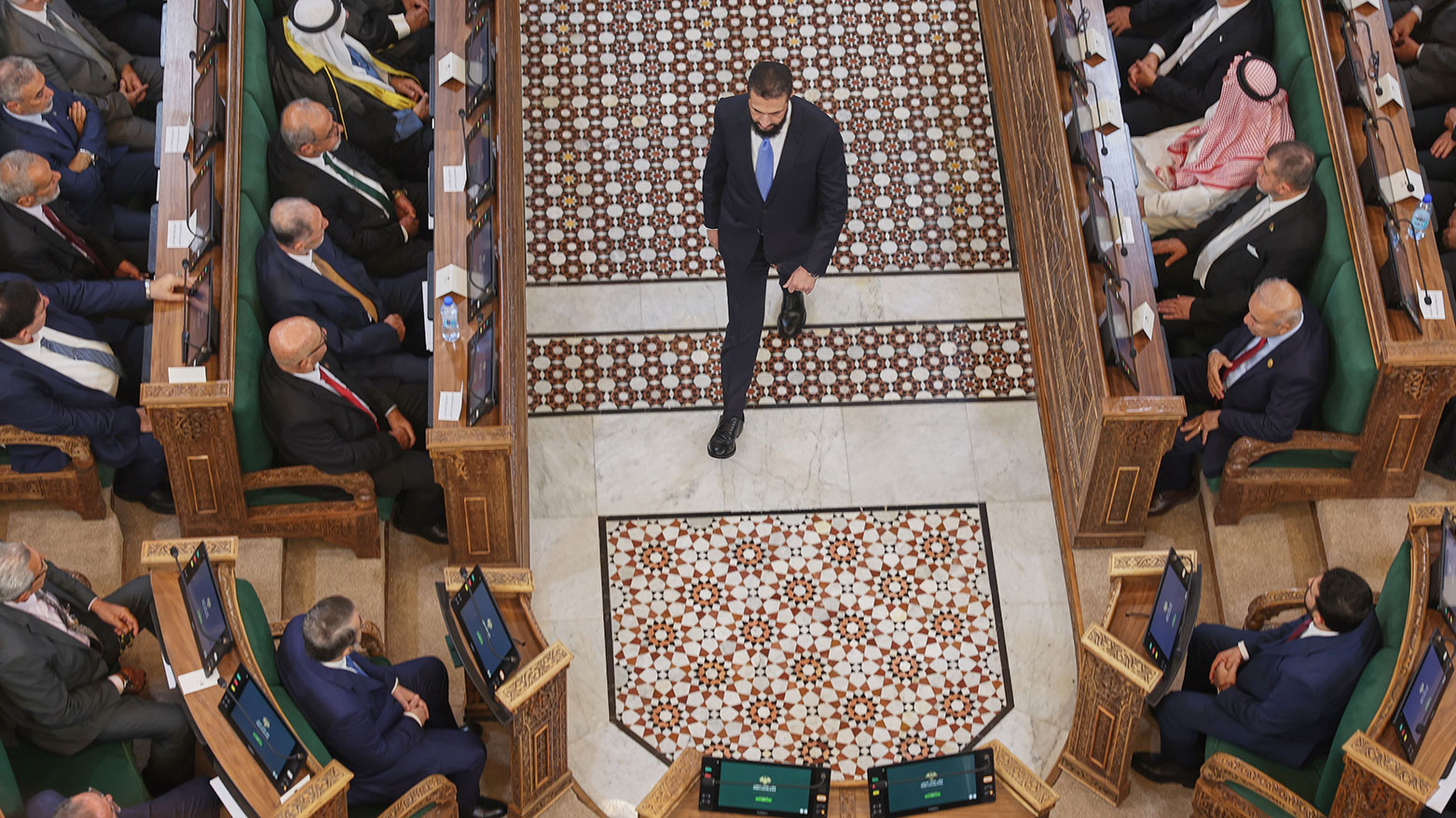
The country's transitional parliament convened its first session on Sunday, marking a new phase in political efforts designed to complement the economic initiatives. The legislature is tasked with a substantial 30-month mandate, during which it is expected to undertake several critical responsibilities. Foremost among these is the drafting of a new constitution, a foundational document that will shape Syria's future governance structure. Additionally, the parliament holds responsibilities for approving national budgets, a key function for allocating resources and guiding economic policy. Lawmakers will also consider legislation specifically intended to guide the country's institutional reconstruction, aiming to rebuild and strengthen state institutions. These efforts are central to establishing a full legal and administrative framework for Syria's future governance and long-term economic recovery, demonstrating a parallel focus on political and economic rebuilding.
Fragile Ground Realities
Despite these concerted efforts towards economic opening and political restructuring, recent events have showed the inherent fragility of conditions on the ground. Notably, violence in Damascus, occurring shortly after renewed international engagement efforts, served as a stark reminder of the volatile environment. This incident noted the persistent security challenges that could impede progress. Critics have also noted significant concerns regarding the method used to select lawmakers for the transitional parliament, questioning the transparency and inclusivity of the process. They also point to the limited role of direct elections in the parliamentary process, suggesting a lack of broad popular representation. Further scrutiny has been directed at the concentration of executive authority within the current framework, raising concerns about the balance of power and democratic accountability. These criticisms indicate that despite efforts towards economic opening, fundamental issues regarding governance, stability, and political participation persist. The incidents in the capital, alongside these structural critiques, serve as a reminder of the complex and volatile environment in which Syria's economic initiatives are unfolding, necessitating careful navigation and continued attention to underlying tensions.