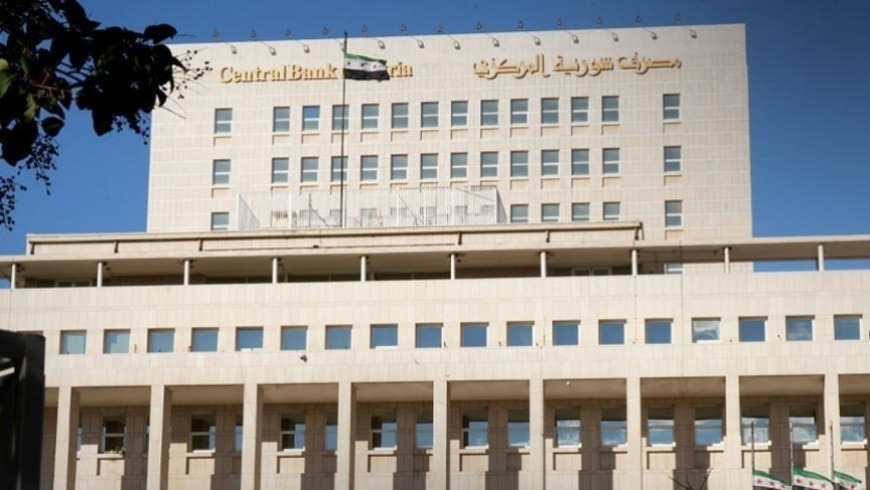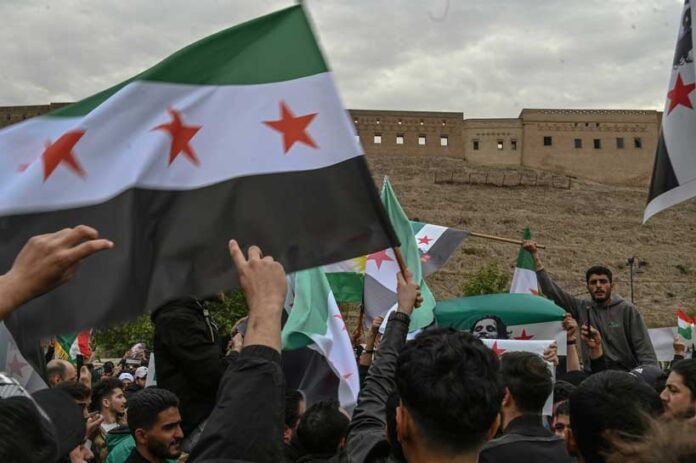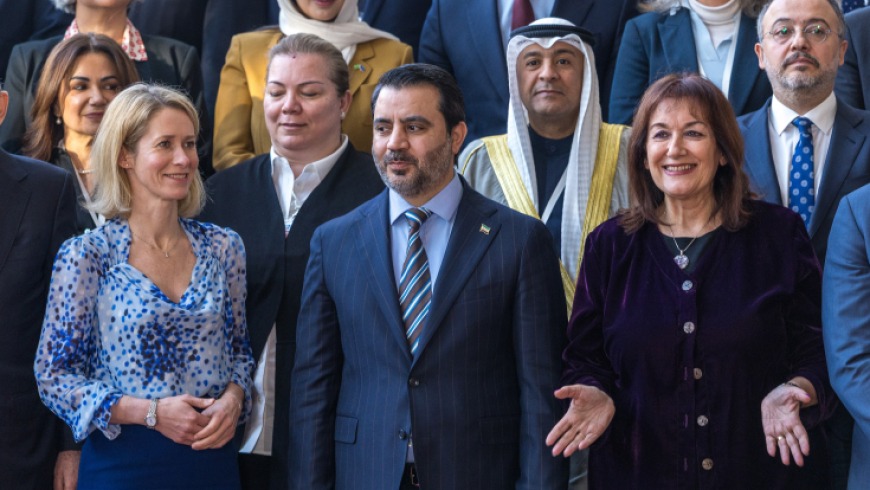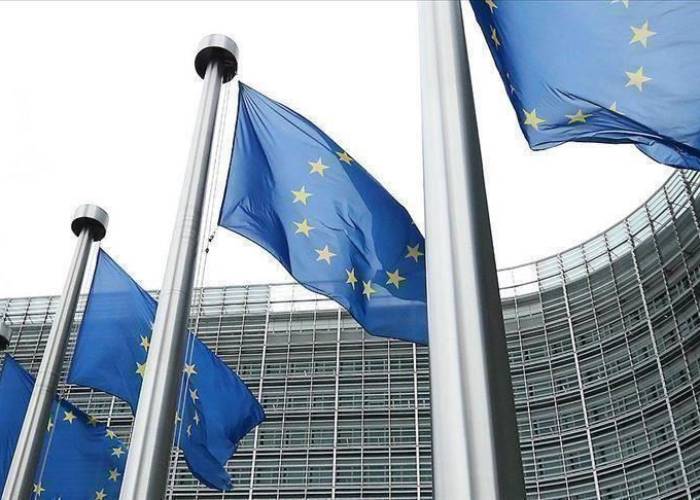
The Council of the European Union announced on Monday its decision to remove Syria’s Ministries of Defense and Interior from its sanctions lists. This move by the EU member states marks an easing of punitive measures previously imposed on the Syrian government. The delisting specifically targets these two key ministries, indicating a focused adjustment to the existing sanctions regime. This announcement by the Council of the European Union shows a significant shift in the bloc's approach to the ongoing situation in Syria. The decision was made public on Monday, detailing the removal of the Ministries of Defense and Interior from the EU's full list of sanctioned entities.
Sanctions Eased, Others Extended
Seven Syrian entities, including the Ministries of Defense and Interior, have been removed from the European Union's sanctions lists. The EU had previously lifted all economic sanctions on Syria in May 2025. This earlier action had already signaled a gradual recalibration of the EU's policies towards the war-torn nation. Despite these adjustments, the EU’s broader restrictive measures remain in place. These measures include asset freezes and a prohibition on EU citizens and companies providing funds to individuals and entities still listed under the sanctions regime. These financial restrictions are designed to limit the resources available to those deemed responsible for the conflict and human rights abuses. The continued imposition of these wider sanctions demonstrates that while specific entities are being delisted, the overall framework of pressure on the Syrian government persists.
Rationale for Policy Shift
The European Union's decision to delist the Ministries of Defense and Interior from its sanctions is intended to support a renewed engagement with Syria. This move is specifically aimed at helping to advance the country’s transition and recovery, according to the Council of the European Union. The policy adjustment aims to advance the country's transition and recovery, according to the Council of the European Union. This strategic shift reflects an effort to facilitate processes within Syria that could lead to broader stability. The EU maintains that its actions are geared towards encouraging positive developments on the ground, signaling a specific focus on enabling certain governmental functions while still adhering to the wider framework of EU foreign policy objectives in the region. This approach intends to foster an environment conducive to rebuilding and political progress, rather than maintaining an across-the-board punitive stance. The Council emphasized that these changes are part of a broader strategy to encourage a more stable future for Syria.
Broader EU-Syria Relations
Restrictive measures on individuals and entities linked to the former Syrian regime have been extended until June 1, 2027. This decision aligns with the European Union's ongoing policy towards Syria, which has seen various sanctions implemented and adjusted over more than a decade. The EU first imposed sanctions on the former Syrian regime in 2011, following its violent crackdown on civilian protests across the country. These initial measures marked a significant shift in diplomatic and economic relations between the bloc and Damascus, reflecting international condemnation of the regime's actions.
The sanctions regime continues to include travel bans, prohibiting individuals under sanction from entering or transiting through EU member states. These travel restrictions complement other measures, such as asset freezes, aimed at pressuring the Syrian government. Individuals under sanction also remain barred from entering or transiting through EU member states, reinforcing the isolation of those targeted by the EU's restrictive framework. While the recent delisting of specific ministries represents an adjustment, the EU maintains a broader framework of punitive actions against those it deems responsible for the crackdown and ongoing instability. The extension of restrictive measures until 2027 indicates the EU's commitment to its long-term policy objectives regarding Syria, emphasizing that while engagement is being sought, accountability for past actions remains a key concern. This full approach balances targeted engagement with sustained pressure on the Syrian government.