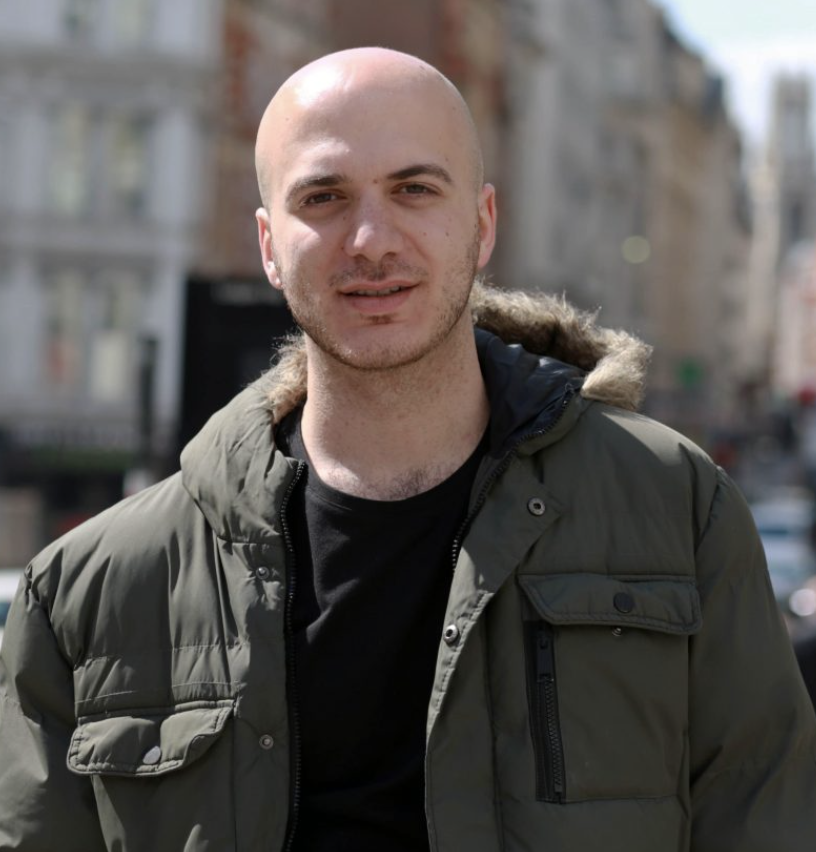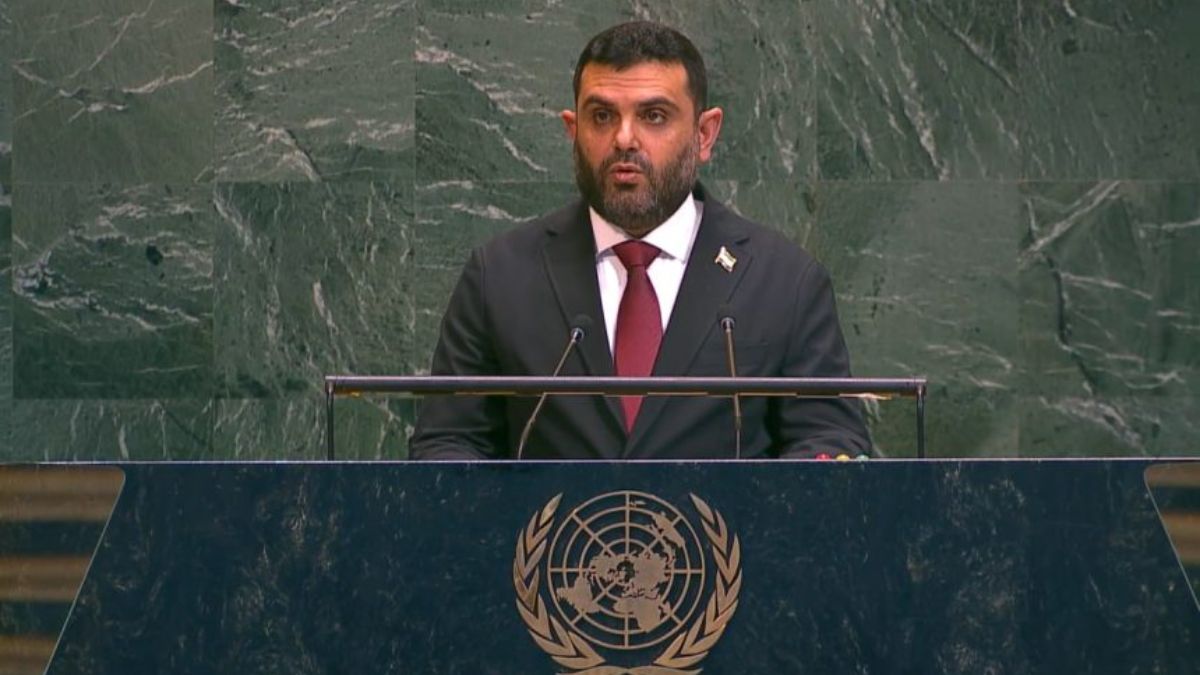
Syria’s intelligence chief, Hussein al-Salama, addressed a United Nations counter-terrorism summit in New York, stating that the country’s long-term stability depends on sustained international support for economic recovery and infrastructure reconstruction. During his address, Salama explicitly stated that the country’s long-term stability hinges on sustained international support for economic recovery and infrastructure reconstruction. He urged UN member states to move beyond "statements and sympathy," which he said "leave no lasting footprint." Salama emphasized the need for tangible economic initiatives to generate jobs, restore essential services, and lay the groundwork for durable reconstruction. He called for "strategic, sustainable decision-making" within national priorities and international legal frameworks. These initiatives, he stressed, are critical for fostering an environment where extremism cannot take root and for ensuring a lasting peace.
Broader Regional Role and Stability
Hussein al-Salama, Syria’s intelligence chief, framed Damascus’s counter-terrorism campaign at the UN summit as an integral part of a broader national effort aimed at rebuilding state institutions and reasserting Syria’s regional role. This broader effort, according to Salama, is designed to enhance the nation's capacity to govern effectively and project stability across its borders. He noted that foreign governments are increasingly perceiving Damascus as a key pillar of regional stability, recognizing its key role in addressing complex security challenges.
Salama stated that the Syrian state has regained full sovereignty and rebuilt its core institutions following what he described as "liberation" efforts. He further claimed that the state has successfully rebuilt core institutions and is gradually restoring diplomatic ties across the region and with other international partners, signaling a return to normal international engagement. This process of re-engagement is seen as vital for strengthening Syria’s standing and for facilitating broader cooperation on regional issues.
The intelligence chief outlined the Syrian government's central mandates, which include protecting national security and contributing to regional stability. These mandates, he explained, are intrinsically linked, with national security serving as the foundation for regional peace. He also emphasized the country's commitment to engaging more deeply in international counter-terrorism efforts, viewing this as a shared responsibility with global partners. Salama stressed the importance of "strategic, sustainable decision-making" within national priorities and international legal frameworks to counter "criminal practices," which he defined as actions undermining state authority and regional peace. He reiterated that Damascus’s commitment to leading counter-terrorism operations remains firmly within national priorities and international legal frameworks, ensuring that all actions are legitimate and well-governed.
Calls for Tangible Reconstruction Support
Hussein al-Salama, Syria's intelligence chief, emphasized that Syria requires structured, institutional assistance rather than short-term projects. He stated that "statements and sympathy" "leave no lasting footprint" and are insufficient for durable recovery, showing the need for concrete, long-term commitments. Salama affirmed Syria's openness to international cooperation across several areas, including capacity building, intelligence sharing, and community-level support. This cooperation also extends to resolving issues related to displacement camps and detention, as well as dismantling terrorist financing and recruitment networks, which are critical for preventing future instability. The government's strategy in these areas is aimed at full rehabilitation and reintegration.
Preventing the re-emergence of extremist groups, according to Salama, necessitates cutting off their financial channels. He advocated for expanded judicial, security, and intelligence cooperation with global partners to achieve this objective, noting the transnational nature of terrorist financing. Such cooperation, he argued, would create a more strong global network capable of tracking and disrupting illicit financial flows. The Syrian government's approach is part of a broader humanitarian strategy, which aims to deliver justice and address long-standing economic and social challenges within the country. This strategy recognizes that security and development are intertwined, and that sustainable peace requires addressing the root causes of discontent. Salama contended that years of international inaction had contributed to Syria becoming fertile ground for extremism, creating a vacuum that allowed radical ideologies to flourish. He reiterated the need for "strategic, sustainable decision-making" within national priorities and international legal frameworks to counter "criminal practices," ensuring that the country’s recovery is guided by principles of justice and rule of law.
Syria remains open to full cooperation that includes capacity building for its institutions, enhanced intelligence sharing with international partners, and direct community-level support for affected populations. Salama noted the importance of resolving issues related to displacement camps and detention facilities, acknowledging the humanitarian challenges these present. He also stressed the critical need for collaborative efforts to dismantle terrorist financing and recruitment networks, which continue to fuel instability in the region. This multi-faceted approach, he explained, is essential for a holistic and effective recovery process.
Ongoing Threats and Instability Sources
Syria continues to face multifaceted threats extending beyond the remnants of the Islamic State (ISIS), Hussein al-Salama, Syria's intelligence chief, stated. He identified covert cells linked to figures from the former Assad regime and factions associated with Hezbollah as ongoing sources of instability within the country. These groups, he noted, exploit local grievances and power vacuums to maintain their presence and activities, thereby complicating efforts to establish full state control.
Al-Salama also noted rising tensions along Syria's southern border, accusing Israel of undermining stability through military incursions, artillery strikes, and the detention of civilians. These actions, he argued, exacerbate an already fragile security situation and impede Syria’s ability to consolidate peace. He referenced recent hostilities in the village of Abdeen in western Daraa, where Israeli forces reportedly carried out artillery and helicopter-borne attacks, leading to further destabilization in the area. Such incidents, Salama asserted, represent a direct challenge to Syrian sovereignty and regional peace efforts.
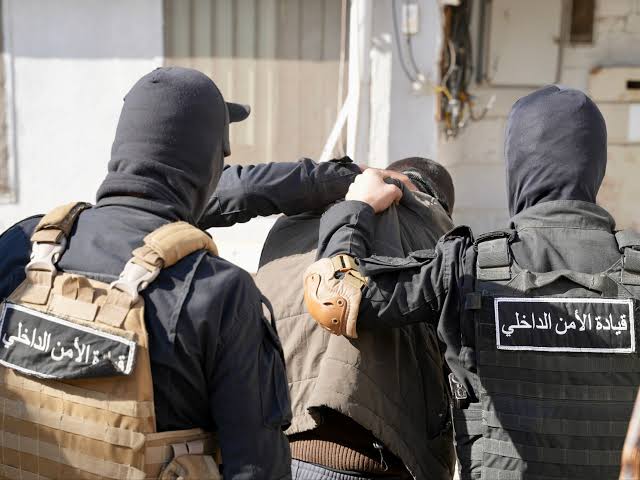
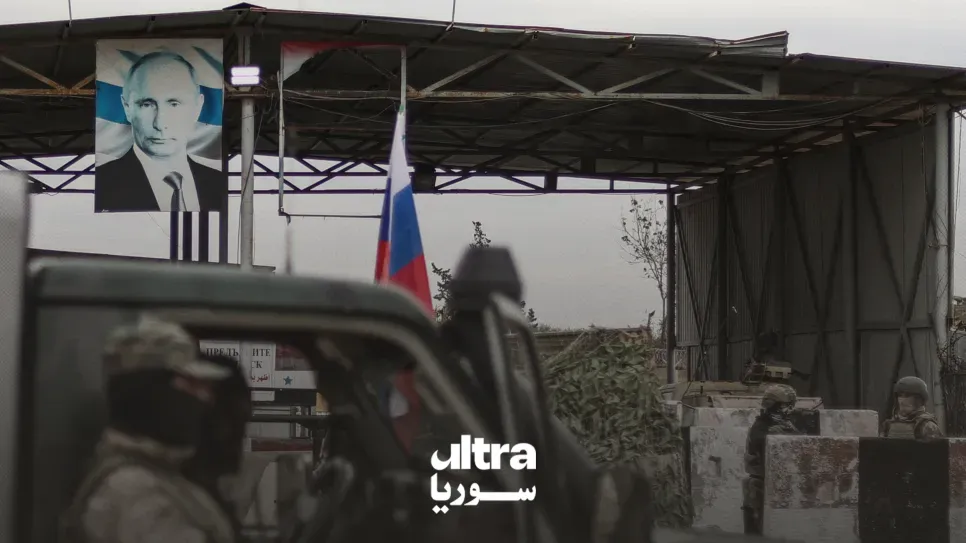
Since the fall of the previous regime, Syrian forces have worked with the U.S.-led international coalition to combat ISIS remnants, according to al-Salama. This cooperation, he indicated, has been key in degrading the capabilities of the terrorist group. However, insurgent attacks persist, targeting government facilities and military personnel, demonstrating the continued resilience of these extremist elements. Damascus continues to confront security breaches attributed to pro-Assad loyalists and Hezbollah-linked cells, which have been involved in recent operations inside the capital, noting the complex internal security landscape. These internal threats, combined with external pressures, pose significant challenges to Syria’s long-term stability.
Critiques and Government Strategy
Hussein al-Salama, Syria’s intelligence chief, delivered his address on Monday, June 29, at the UN summit. During his remarks, Salama argued that the current Syrian government has moved beyond crisis management to "strategic, sustainable decision-making." This shift, he explained, reflects a more proactive and long-term vision for the country’s future. He reaffirmed Damascus’s commitment to leading counter-terrorism operations "within national priorities and international legal frameworks," emphasizing adherence to established legal and ethical guidelines. Salama also criticized the former regime, accusing it of “criminal practices” that contributed to the country's prolonged instability and suffering. He has previously stated that "statements and sympathy" "leave no lasting footprint" and described the current government's actions as "liberation" efforts, aimed at restoring the nation's sovereignty and dignity. The government’s strategy, he concluded, is part of a broader humanitarian approach aimed at delivering justice and addressing entrenched economic and social challenges that have plagued the country for years.