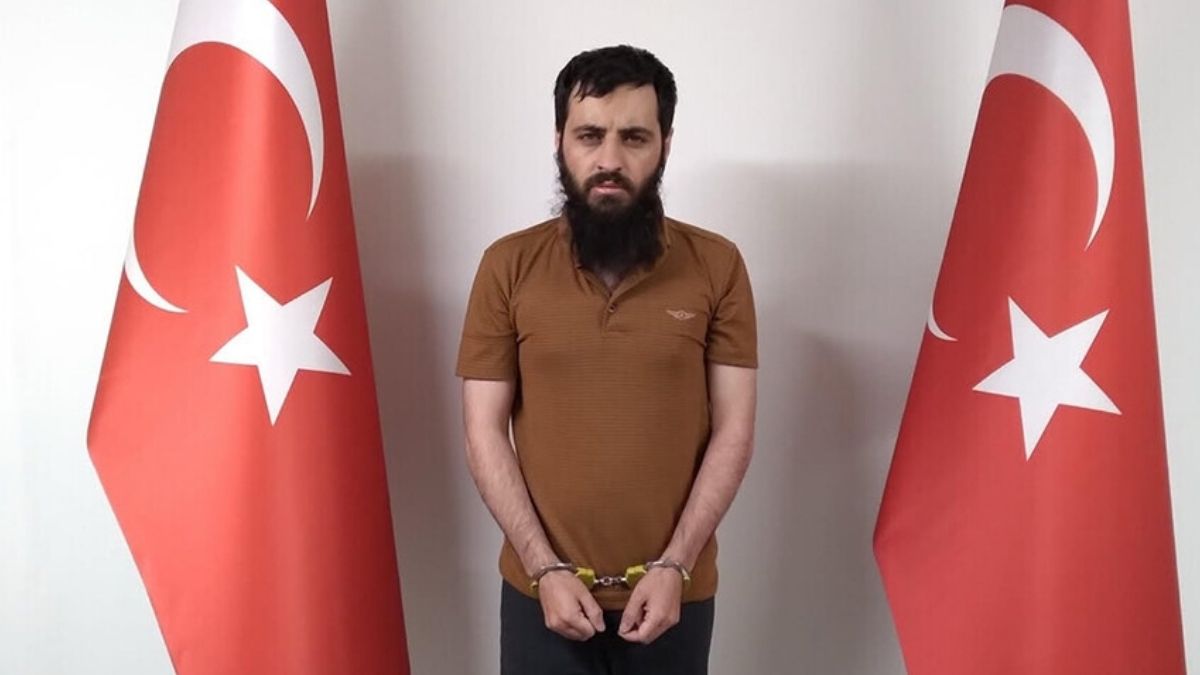
Ten Turkish nationals suspected of belonging to the "Islamic State" (ISIS) were arrested inside Syrian territory on Saturday, May 23, during a joint security operation between Turkish and Syrian intelligence, Turkish official media announced. This significant security development was reported by Turkish official media on Saturday, May 23, detailing the apprehension of ten Turkish nationals suspected of affiliation with the "Islamic State" (ISIS). Ankara stated the operation followed careful tracking of the suspects' movements and activities, emphasizing the careful preparation that preceded the arrests. Turkish security sources indicated the arrests were executed through coordination between the Turkish and Syrian intelligence agencies after a period of surveillance and monitoring. This period of intense observation allowed authorities to gather critical intelligence before moving to apprehend the individuals. Following their capture, the suspects were subsequently transferred to Turkey for further investigations, according to the sources, where they are expected to face legal proceedings related to their alleged involvement with the terrorist organization. As of the drafting of this report, Syrian authorities have not issued any official comment regarding the joint operation or the details of the suspects’ arrests inside Syrian territory, leaving Ankara as the primary source of information on the matter.
Suspects' ISIS Ties and Background
The ten individuals apprehended are listed on Interpol’s Red Notice, indicating international alerts for their capture. This listing shows the gravity of the accusations against them and their status as internationally wanted individuals. All detainees hold Turkish nationality and are reported to have joined the Islamic State (ISIS) in Syria between 2014 and 2017, a period corresponding with the peak of ISIS’s territorial control and influence in the region. This timeframe also saw a significant influx of foreign fighters into Syria and Iraq.
Security officials suspect the individuals were involved in military, security, and media activities connected to ISIS. Their alleged roles suggest a multifaceted engagement with the organization, extending beyond mere membership to active participation in its operational and propaganda efforts. Some of the suspects are believed to have links to attacks carried out inside Turkey in recent years, according to Turkish authorities. This connection points to a potential direct threat posed by these individuals to Turkish national security, even from within Syrian territory. The range of their alleged activities, from combat roles to logistical support and media dissemination, notes the diverse ways in which individuals contribute to a terrorist organization’s structure and operations.
Links to Ankara Station Bombing
Investigations revealed links between several of the detainees and prior attacks in Turkey, including the twin suicide bombing that targeted the central railway station in the Turkish capital, Ankara, on October 10, 2015. This devastating attack remains one of the deadliest terrorist incidents in modern Turkish history. The Ankara station bombing on October 10, 2015, resulted in the deaths of 102 people and injured more than 200 others, according to official figures, leaving a profound scar on the nation. The revelation of connections between the recently apprehended individuals and such a high-profile attack shows the long reach and enduring impact of ISIS-related networks.
Turkish authorities connected one of the detainees, Omer Deniz Dunder, to the perpetrators of the Ankara station attack. Dunder reportedly moved to Syria in 2014 to join ISIS, according to Turkish security sources, indicating an early commitment to the group’s ideology and objectives. His journey to Syria in 2014 places him among the initial waves of foreign recruits flocking to the self-proclaimed caliphate. He also worked within an entity known as the “Al-Farouq Office,” which Ankara accuses of managing ISIS's activities inside Turkey and coordinating with its members. This office is believed to have played a key role in orchestrating attacks and maintaining a clandestine network within Turkish borders.
Further forensic evidence linked Dunder to other ISIS-related activities. His fingerprints were found on detonators belonging to two suicide bombers who were arrested during security operations in Turkey in 2017. This forensic link provides concrete evidence of his alleged involvement in facilitating or preparing terrorist acts, demonstrating a direct operational role beyond mere membership. These findings show the alleged operational role of some of the apprehended individuals in facilitating or directly participating in attacks within Turkey. The connections drawn by Turkish investigators highlight a suspected pattern of involvement by these individuals in a series of violent incidents attributed to ISIS, pointing to a sophisticated and persistent threat. The discovery of Dunder's fingerprints on such critical components of explosive devices suggests a hands-on role in the planning and execution stages of terrorist plots, further solidifying the case against him and illustrating the careful nature of the Turkish investigation.
Key Figures and Roles
Turkish authorities accused two other detainees of participating in the planning or execution of attacks targeting Turkish soldiers deployed in northern Syria. These accusations highlight the direct threat posed by these individuals to Turkish military personnel engaged in counter-terrorism operations in the region. Ali Bora held the position of the so-called “Intelligence Emir,” responsible for the group’s activities inside Turkey after moving to Syria in 2014, according to officials. This role suggests a leadership position within ISIS’s internal intelligence apparatus, specifically focused on operations within Turkey. Bora participated in armed clashes, worked in various units, and was active within the “Al-Farouq Office,” Turkish authorities stated. His extensive involvement across multiple facets of ISIS operations, from combat to intelligence, points to a highly engaged and influential role. They also accuse Bora of participating in the planning of three operations that targeted the Turkish Armed Forces through the group’s self-proclaimed “Turkey Province.” This claim shows the strategic importance of his alleged activities, aiming to directly undermine Turkey's military presence and security efforts.
Kadir Gozukara moved to Syria under the direction of Mustafa Dokumaci, described as the leader of the ISIS-linked “Dokumaci Group.” Gozukara subsequently assumed logistical and media duties until 2021, which included securing needs for incoming members and managing propaganda, Turkish security sources reported. His responsibilities were critical for sustaining the flow of new recruits and disseminating ISIS's ideological messages, playing a vital role in the group's expansion and influence. His involvement in propaganda efforts indicates a capacity to shape narratives and recruit new adherents, a key component of ISIS's strategy. Hussein Peri joined ISIS in 2014, working in its medical unit before being captured by the Women’s Protection Units (YPJ) in 2015. His capture by the YPJ, a prominent Kurdish-led force in Syria, speaks to the dynamic and often perilous environment in which ISIS fighters operated. He was later released in a prisoner exchange and returned to ISIS activities until 2019, demonstrating a continued commitment to the organization despite his capture and subsequent release. This pattern of re-engagement after release notes the persistent challenge of deradicalization and reintegration for individuals associated with such groups. Abdullah Cobanoglu worked in combat zones inside Syria before pledging allegiance to ISIS in 2020. He later assumed duties in the media unit belonging to the “Al-Farouq Office,” officials said. His transition from combat to media roles indicates the adaptability of ISIS members and the varied skills they bring to the organization.
Other detainees include Hakki Yuksek, Cekdar Yilmaz, Murat Ozdemir, and Ishak Gunci, in addition to another member referred to by the initials “K.D.” The collective apprehension of these individuals represents a significant blow to ISIS's operational capacity and its networks within the region. Turkish officials indicate that some individuals continued activities within small cells linked to ISIS even after the group lost territorial control in Syria. This ongoing activity, despite the territorial defeat of ISIS, notes the enduring threat posed by its remnants and the need for continued vigilance and counter-terrorism efforts. The existence of these small, clandestine cells shows the evolving nature of the threat, moving from a territorial entity to a more dispersed, insurgent-style organization.