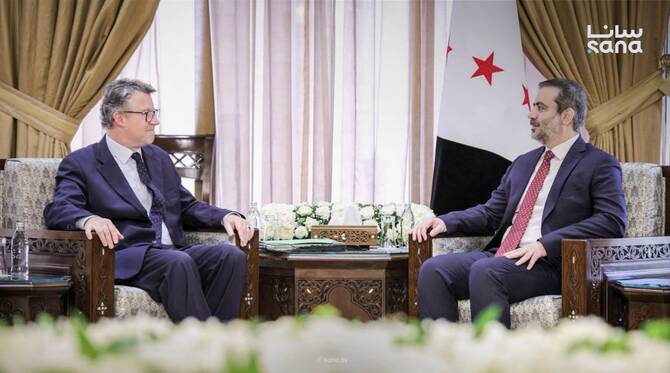
French President Emmanuel Macron visited Damascus last week, marking the first time an EU head of state has traveled to Syria since the fall of the Assad government in 2024. The visit signifies a potential shift in international relations with Syria, following a period of significant geopolitical change in the region. Macron's presence in Damascus comes as international efforts begin to focus on the country's reconstruction and future stability. The engagement by a major European leader suggests a reconsidered approach to diplomatic relations with the transitional Syrian government, signaling a broader movement towards re-engagement with the nation. This high-level visit shows a new chapter in Syria's international standing, moving away from isolation towards a path of potential integration and economic recovery.
Shifting Diplomatic Landscape
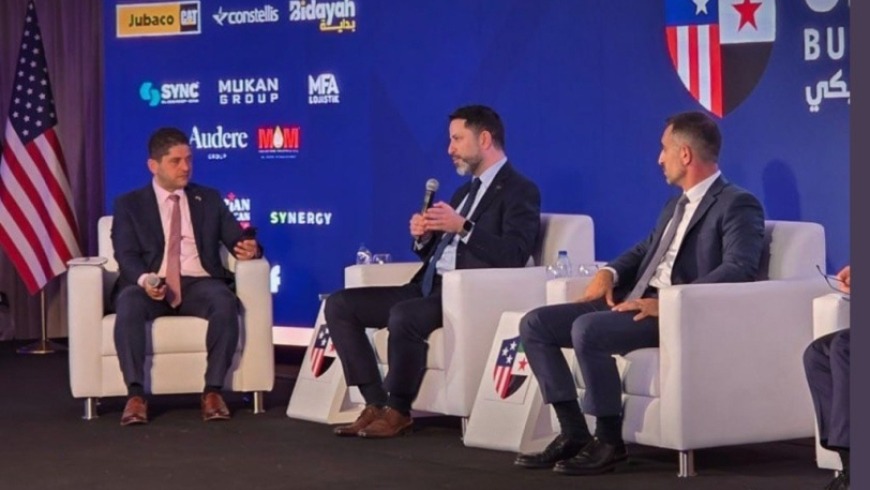
Both the United States and Syria have signaled a significant diplomatic shift in recent years. After over a decade without formal ties, both sides agreed to reappoint ambassadors. This development follows the US ending its broad sanctions program in 2025. The cessation of these full sanctions has removed a major hurdle for international businesses and governments looking to engage with Syria. Concurrently, the US Congress repealed the Caesar Act, a key piece of legislation that had imposed extensive sanctions on the Syrian government, further easing restrictions on economic activities and investment. This repeal is seen as a key move, dismantling a significant barrier that had previously deterred foreign entities from participating in Syria's economy.
Complementing these changes, President Donald Trump notified Congress of his intention to rescind Syria’s designation as a state sponsor of terrorism. This notification initiated a 45-day review period during which Congress can consider the proposed change, potentially removing a major barrier to international engagement and investment in Syria. The removal of this designation would not only improve Syria's standing on the global stage but also unlock access to international financial institutions and aid, which are key for the country's recovery. These combined diplomatic and legislative actions by the United States represent a full shift in its policy towards Syria, paving the way for increased international cooperation and economic development. The re-establishment of ambassadorial ties further solidifies this diplomatic thaw, creating channels for direct communication and negotiation.
Key Business Commitments
Significant business commitments have been made in Syria's reconstruction efforts, particularly in vital infrastructure sectors. French shipping giant CMA CGM has invested approximately $270 million in the port of Latakia. This substantial investment operates under a 30-year concession agreement that was signed in May 2025, demonstrating a long-term commitment to Syria's maritime trade capabilities. CMA CGM has also announced plans for a further investment of $235 million into the facility, indicating confidence in the port's future growth and its strategic importance. This additional funding is expected to enhance the port's capacity and operational efficiency, making it a more attractive hub for regional and international shipping. Beyond its port operations, CMA CGM has expanded its footprint in Syria by agreeing to handle air cargo at Damascus International Airport. This move diversifies the company's logistical services within the country and supports the revitalization of air transport. CMA CGM has committed to operating two dry ports, one located near Damascus and another near Aleppo, which will significantly improve inland logistics and distribution networks across Syria. These full investments by CMA CGM highlight a multi-modal approach to infrastructure development, key for economic recovery.
Concurrently, the United Arab Emirates’ DP World assumed control of the port of Tartous through a separate 30-year concession. This agreement, valued at $800 million, saw DP World commence its operations in November 2025. The involvement of DP World, a leading global port operator, brings international expertise and significant capital to the modernization and expansion of Tartous port, another critical maritime gateway for Syria. These developments highlight a growing interest from international entities in Syria's port infrastructure, recognizing their key role in facilitating trade and economic growth.
The UAE's economic engagement with Syria extends beyond port operations, signaling a broader commitment to the country's revitalization. Non-oil trade between the UAE and Syria reached approximately $1.4 billion in 2025. This figure represents more than double the trade volume recorded in the preceding year, indicating a substantial increase in commercial activity between the two nations. This surge in trade shows the strengthening economic ties and the potential for further growth as Syria emerges from its period of isolation. The rising trade figures coincide with the broader international re-engagement with Syria, supporting the country's economic revitalization efforts. These investments and trade expansions are central to the ongoing discussions surrounding Syria's post-conflict recovery, laying the groundwork for sustainable economic development.
Broader Regional and International Support
Broader regional and international support for Syria's reconstruction efforts has also materialized, encompassing financial aid and infrastructure development. Saudi Arabia and Qatar jointly settled Syria’s outstanding debt to the World Bank, clearing a significant financial obstacle that had previously hindered the country's access to international financing. This act of financial solidarity demonstrates a concerted effort by regional powers to facilitate Syria's re-entry into the global economic system. Additionally, the World Bank has approved a $146 million grant specifically allocated for electricity transmission projects within Syria. This grant is vital for rebuilding and upgrading the country's power grid, a foundational element for economic and social stability. The European Union has also pledged substantial financial assistance, committing approximately $725 million for the 2026-2027 period to support various initiatives, further illustrating the international community's renewed focus on Syria's recovery. These funds are expected to target critical sectors such as humanitarian aid, infrastructure, and capacity building, addressing immediate needs while fostering long-term development.
Further noting the expanding regional engagement, Saudi Arabia signed agreements totaling $2.8 billion with Damascus in February. These agreements indicate a deepening economic relationship aimed at contributing to Syria's recovery across multiple sectors. Another major investment comes from a consortium led by Qatar’s UCC Holding, which signed a $7 billion agreement. This extensive deal focuses on the construction of four new gas power plants, designed to provide a combined capacity of 4 gigawatts, significantly boosting Syria's energy production capabilities. The agreement also includes the development of a solar power plant, diversifying Syria's energy infrastructure and promoting renewable sources. These financial commitments and infrastructure projects show a concerted push by international and regional actors to facilitate Syria's economic stabilization and reconstruction following a period of prolonged conflict, demonstrating a multi-faceted approach to rebuilding the nation.
Challenges and Future Outlook
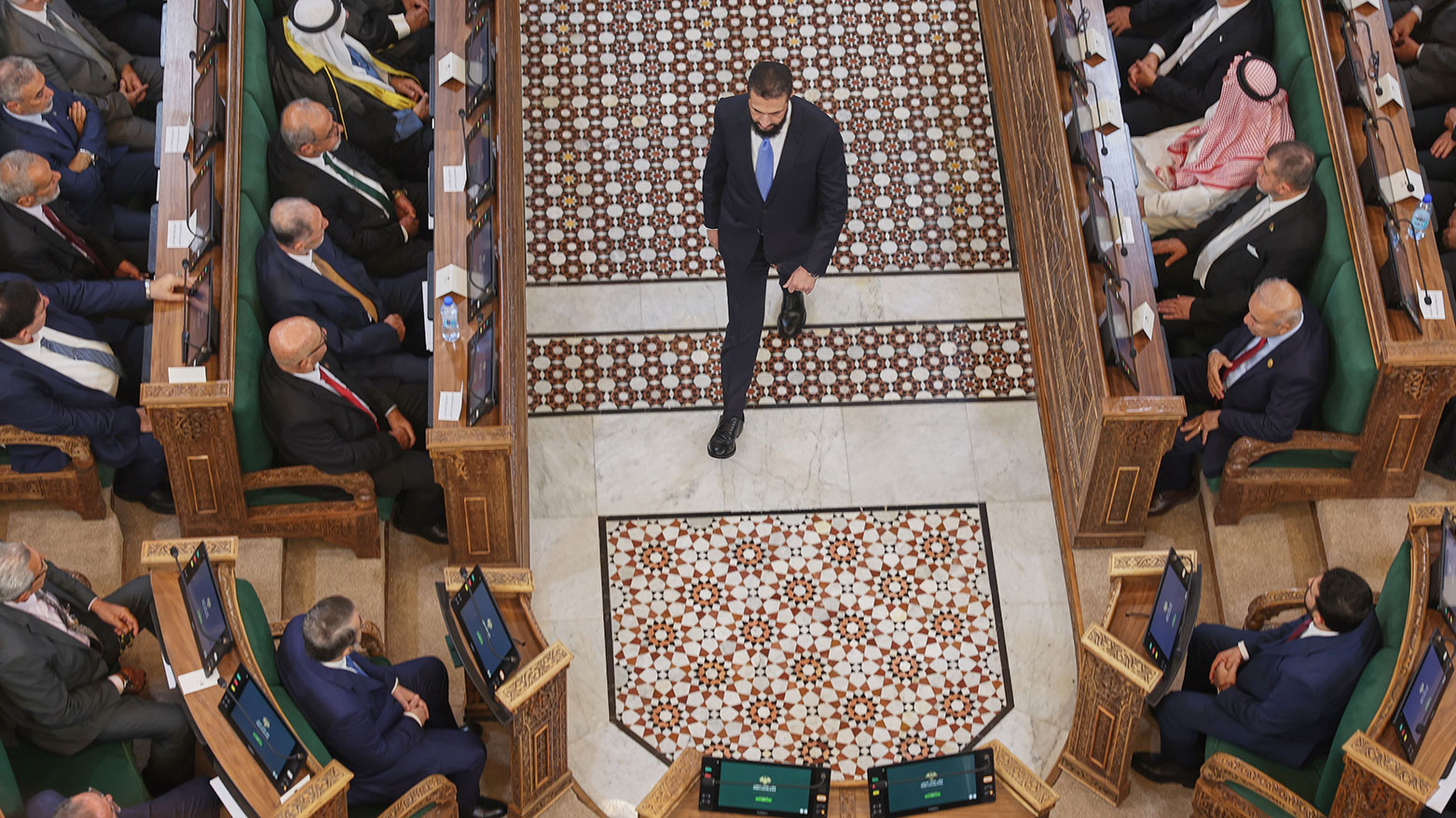
Despite these promising developments, the path to full recovery remains challenging. Two explosions occurred in Damascus during the French president’s visit, noting ongoing security concerns and the fragile nature of stability in certain areas. These incidents serve as a stark reminder that security remains a critical issue that needs to be addressed for sustained reconstruction and investment. Nevertheless, the commitment of international partners continues to grow. Syrian President Ahmad Al-Sharaa announced $28 billion in foreign investment at the Future Investment Initiative in Riyadh last October, reflecting the government's proactive approach to attracting capital. However, the World Bank estimates Syria’s reconstruction needs at a significantly higher figure of $216 billion, indicating a substantial funding gap remains. Bridging this gap will require continued and expanded international cooperation, sustained foreign investment, and full national planning. The long-term outlook for Syria hinges on its ability to maintain stability, attract further investment, and effectively utilize the committed funds to rebuild its infrastructure and economy.