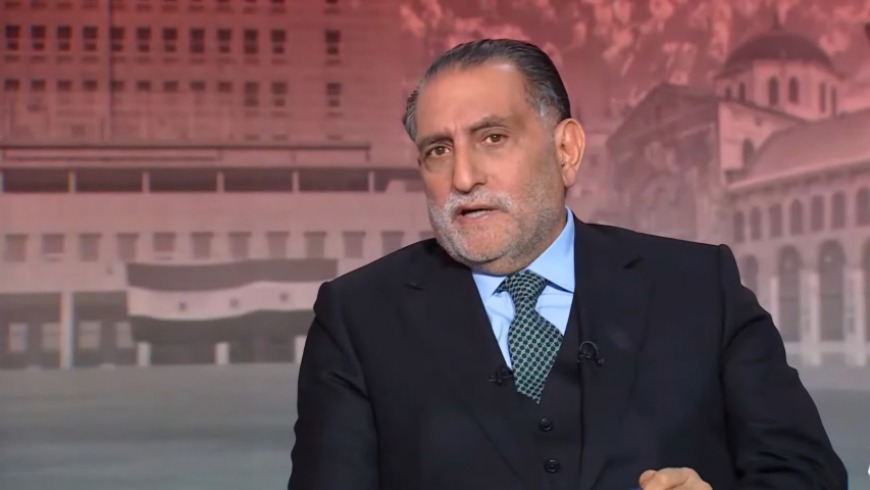
Dr. Azmi Bishara, Director-General of the Arab Center for Research and Policy Studies, has emphasized the key role of citizenship in state formation, stating unequivocally, "Syrian Citizenship Is the Foundation of the State." Dr. Bishara, in his capacity as Director-General of the Arab Center for Research and Policy Studies, offered these insights as part of a broader commentary on the future of Syria. His remarks come at a time when Syria reportedly enjoys a reasonable margin of freedom of expression, a development that provides a context for discussions on national identity and governance. Amidst these discussions, concerns have been raised regarding the situation in Suwayda, which is seen to carry significant national weight. This weight is amplified by foreign interference and ambitions, particularly from Israel, which contribute to the complexity of developments unfolding in Suwayda. The interplay of these various factors shapes the foundational aspects of the Syrian state and its future trajectory.
Revolution's Trajectory and Lost Options
A democratic option for Syria has not been considered part of the agenda since the final years of the Syrian revolution, according to analyses of the conflict. This critical shift occurred as armed factions reportedly marginalized the political opposition, effectively narrowing the scope of potential political solutions. The trajectory of events, particularly the actions of the ousted regime, presented Syrians with no alternative but to resort to armed resistance. This perspective suggests that the initial aspirations for political reform and democratic change ultimately narrowed, pushing segments of the population towards armed struggle. The complex interplay between the regime's actions and the rise of armed groups redefined the scope of possible solutions for the country, leading to a prolonged conflict and a re-evaluation of national priorities. The marginalization of political opposition by armed factions is identified as a key factor in this evolution, noting a critical juncture in the revolution's path.
Citizenship: The Bedrock of Governance
The bedrock of any future Syrian state must be "Syrian citizenship," according to analyses regarding the country's foundational principles. This concept is viewed as essential for national unity and stability. The coming phase necessitates a multi-faceted approach, requiring the reunification of Syria, the establishment of a governance model capable of securing public satisfaction, and a strong commitment to confronting corruption. These elements are presented as key for stability and future development, showing the urgent need for full reforms. A governance model that genuinely serves the public interest and actively combats corruption is seen as indispensable for rebuilding trust and legitimacy.
The principle of Syrian citizenship, as a unifying concept, must also be reflected within the structure of the military. This approach aims to foster national cohesion rather than sectarian divisions within state institutions, ensuring that the armed forces serve the entire nation without bias. Observers emphasize the importance of avoiding the transformation of Syria’s majority into a sect, a critical step towards maintaining a truly national identity. A historical reading of Syria based on the binary of a dominant sect and a subjugated one is considered fundamentally flawed, showing a call for a non-sectarian national identity that embraces all citizens equally. This emphasis on an inclusive national identity is seen as vital for long-term peace and stability.
Regional Dynamics and National Weight
Supporters of the Syrian revolution recognized the gravity of events unfolding in the coastal region in March 2025. This acknowledgment of significant developments extended to Suwayda, where supporters also noted the unfolding situation in July 2025. These recognitions show the perceived national importance of these regions within the broader Syrian context. What is unfolding in Suwayda carries significant national weight, a situation exacerbated by Israeli interference and ambitions, which complicate regional dynamics and internal stability. This external involvement adds another layer of complexity to the already intricate political landscape.
In the context of these regional dynamics, the Syrian government could potentially secure loyalty within Suwayda. This could be achieved, according to analyses, by implementing changes in its policies or mindset, which would also lead to the isolation of pro-Israeli elements. Such a strategic shift would aim to address local grievances and potentially neutralize external influences within the important region of Suwayda. The recognition by revolution supporters of both the coastal region and Suwayda notes the national significance attributed to these areas amidst the broader political landscape, making their stability and integration key for the future of the Syrian state. The potential for the Syrian government to secure loyalty in Suwayda by altering its policies or mindset represents a strategic opportunity to consolidate national unity and counter foreign interference.